Private Governance
What sets a Free City apart is rarely its skyline. It is how decisions get made and how rules are enforced. Across the movement the recurring questions are the same: who holds authority, how is it constrained, and what stops it from being abused?
Private governance is the attempt to answer those questions with agreements rather than elections. In the Free Private City model the terms sit in a Citizen Contract that the operator cannot change on its own, and any falling-out between resident and operator goes to an arbitration tribunal neither side controls. The pattern is older than the movement: merchants, exchanges and trade fairs built working legal orders long before the modern state offered them one.
This topic gathers the conversations on constitutional design, the rule of law, property rights, dispute resolution and independent arbitration that run through the Foundation’s articles, podcasts and projects, together with the objections they attract.
Also covers: Governance · Rule of Law · Private Law · Arbitration · Dispute Resolution · Property Rights · Constitution
Rules by agreement rather than by vote
Private governance describes any arrangement in which the rules people live by, and the body that enforces them, draw their authority from agreement rather than from sovereignty. The clearest version in this movement is the Citizen Contract set out in Titus Gebel’s Free Private Cities model. A resident and an operator sign a document fixing what the resident pays and what the operator owes in return: security, a legal and regulatory framework, and a way to settle disputes. The operator cannot rewrite it unilaterally, and if the two fall out, the case is heard by an arbitration tribunal that neither of them controls.
That inverts the familiar relationship. A constitution can be amended by the same body it is meant to restrain, and a social contract nobody signed can be reinterpreted by one party alone. A contract cannot. The trade is deliberate: residents give up a vote on the rules and gain the ability to enforce them, and to leave without forfeiting what they were promised.
Where private order already works
None of this is hypothetical. International commerce has run on private adjudication for generations. Arbitral awards are recognised across more than 170 countries under the New York Convention of 1958, which often makes a ruling from a private tribunal easier to enforce abroad than a judgment from a national court. Lisa Bernstein found New York’s diamond dealers settling high-value disputes through their own trade club rather than the courts. Robert Ellickson found Californian ranchers resolving cattle-trespass claims by neighbourhood norms while remaining largely ignorant of the law that supposedly governed them. Elinor Ostrom won a Nobel Prize for documenting communities that manage shared resources under rules of their own making.
Whole legal systems have been imported, too. The Dubai International Financial Centre and Abu Dhabi Global Market run English common law inside a civil-law state, with their own courts and judges. Próspera writes its arbitration centre into every resident agreement, and its awards travel abroad under the same conventions that carry ordinary commercial ones. In the United States, tens of millions of people already live under private rulebooks written by homeowner associations.
Keeping the operator honest
The design question every Free City has to answer is what holds the operator to its word once residents have arrived. The model’s answer is four constraints that work together. The contract fixes the price and the obligations, so the operator cannot raise the fee or add duties later. Disputes go to a tribunal outside its control, and because those awards are recognised abroad, a resident is not dependent on the operator’s goodwill to collect. Residents can leave, and a jurisdiction that loses residents loses its revenue. An operator that owns the land also carries the consequences directly, since bad governance shows up in what the land is worth long before it shows up anywhere else.
Constitutional economists describe this as the difference between rules chosen in advance and rules made along the way. James Buchanan and Gordon Tullock argued that the legitimate moment to agree terms is before anyone knows how they will be affected by them, which is precisely the moment at which a resident signs a citizen contract. It is among the oldest ideas in the field, and the reason the movement keeps returning to the contract as its central instrument.
Articles
Blog21 min read
Johannes Kaiser Interview: Free Cities in Libertarian Chile
Can you fight the state by becoming the state? It is the one question every political libertarian has to answer, and Johannes Kaiser has heard it more often than most. Last November, the leader of Chile’s National Libertarian Party won 14 percent of the vote in the country’s presidential election, one of the strongest results a libertarian party has ever achieved anywhere in a national first round. A few months later, we found ourselves sitting across from him at a lakeside campground in eastern Germany, asking him exactly that question.
 Jan Bertram · Free Cities Foundation
Academic24 min read
The Governance Dividend: The Story of Carmel, Indiana
Most people assume that good governance is expensive. That it demands large bureaucracies, heavy tax burdens, and a government apparatus that grows in perpetuity. Carmel, Indiana suggests they are wrong. What the Carmel experience shows instead is that when a community shares basic norms, when the physical environment is well designed, and when leadership makes deliberate choices about what to build, governance gets cheap. Surprisingly cheap.
 Alex Voss · Free Cities Foundation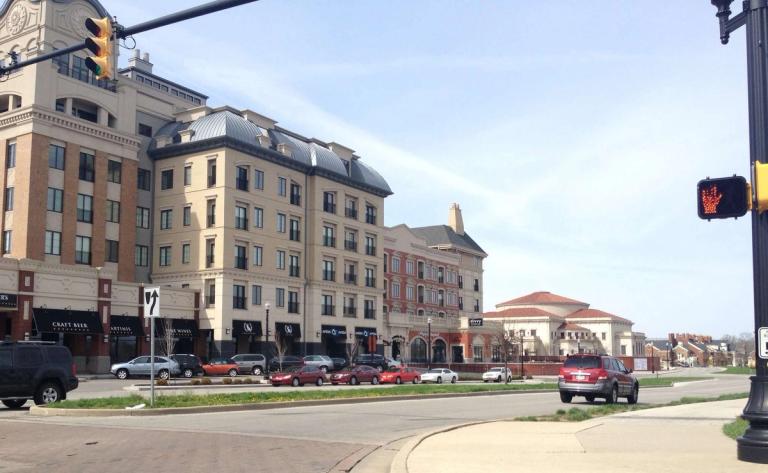
Blog11 min read
Quadratic Voting, Quadratic Finance & Free Cities
Intentional communities, planned developments, and new city projects share a common challenge: how do you fairly decide which shared infrastructure to build, and how do you pay for it? Whether the community is an off-grid village, a…
Alex Voss · Free Cities Foundation
Blog10 min read
Can Startup Cities Defend Themselves? Ask Dubai
It’s been a month since the Gulf war erupted. Triggered by the assassination of Iran’s leader in a U.S.-Israeli strike, the conflict has since spilled across the region.
 Vera Kichanova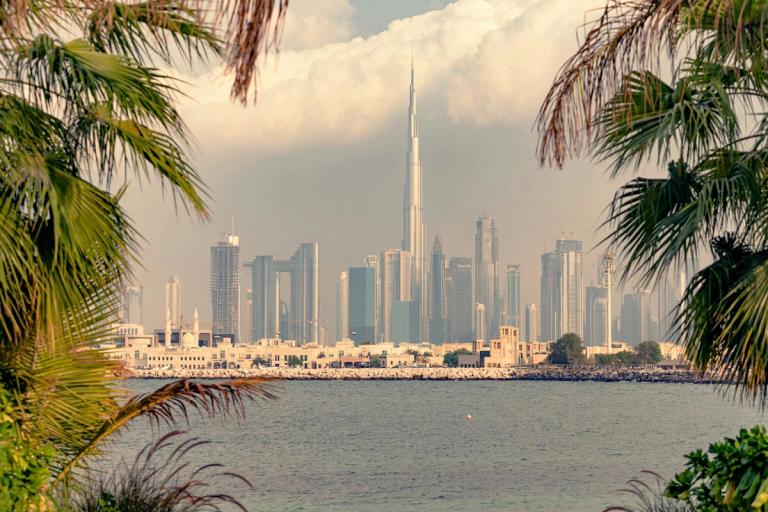
Blog14 min read
Surprise! The “End of History” Is Not the End of History – Why We Need Free Private Cities
Speech by Dr. Titus Gebel on the occasion of receiving the Roland Baader Award 14 June 2025.
 Titus Gebel · Free Cities Foundation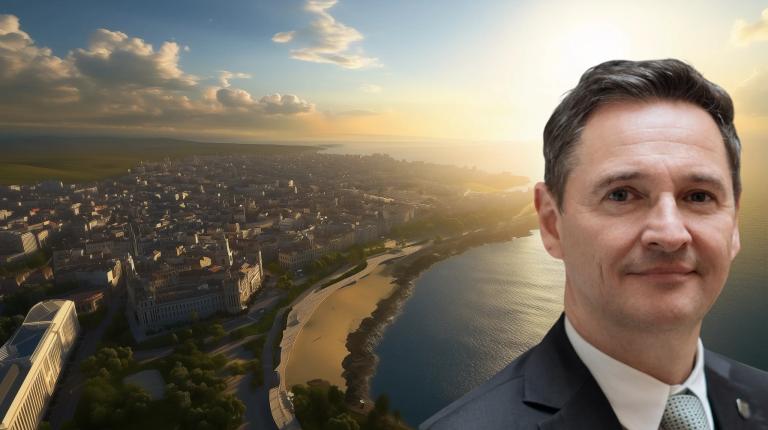
Blog4 min read
The Proprietary State – Available Now on Amazon
What if a government takes the form of a for-profit corporation? Forget the usual debates about left versus right. The Proprietary State throws a curveball into the entire political landscape. It dares to ask: what if we privatised the very act of ruling? Imagine a government with shareholders instead of voters, pursuing profit. The book dives deep into this radical idea, dissecting the potential boons and pitfalls of a ‘proprietary government’ – a government driven by profit motives, accountable to investors instead of voters.
 Free Cities Foundation Team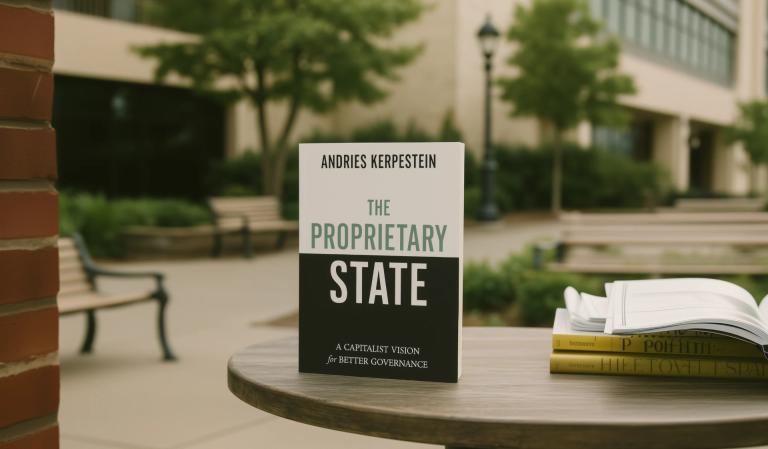
Blog4 min read
Bringing Free Cities to Established (But Stagnating) Democracies, Starting from Britain
Around the world, a quiet revolution is reshaping how we build and govern cities. From private blockchain in Próspera to the car-free streets of Lavasa, new urban experiments are challenging the old ways — and a growing number of pioneers are voting with their feet. Maybe you’re even browsing the Free Communities Directory right now, wondering where your next home might be.
Vera Kichanova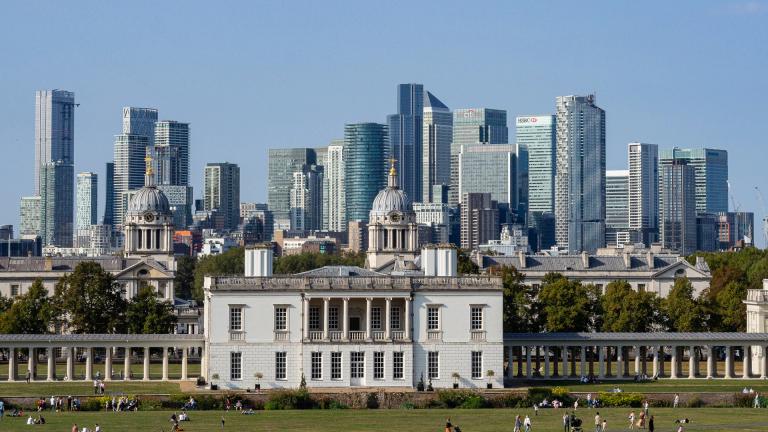
Blog19 min read
The Dawn of Liberland
The way to Liberland is easy but not simple. Technically speaking, it’s just a short bike ride away from the nearest village on a comfortable bike path through a stunning forest known as the “Amazon of Europe”.
 Hynek Fencl · Free Cities Foundation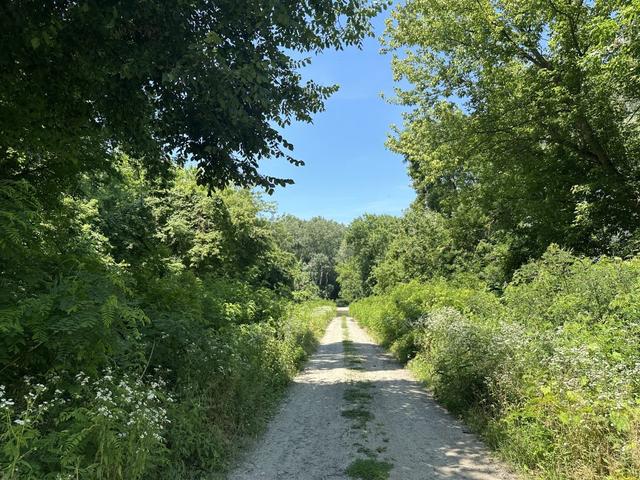













Videos
Free Cities Foundation
Free Cities Conference 2025
Free Cities Conference 2025
Free Cities Online Summit 2025
Free Cities Online Summit 2025
Free Cities Online Summit 2025


















Podcast episodes
Podcast Episode 195
Christian Betancourt: How to Survive a Hostile Government
Four years ago, Timothy Allen came to Próspera to see whether there was anything actually there. An interview happened on a sofa in a guest house down the…

Podcast Episode 182
Lucy Connolly: Jailed for a Tweet
Lucy Connolly on the deleted tweet that jailed her, life inside a British women's prison, and what it reveals about free speech in Britain.

Podcast Episode 177
Gabriel Delgado: The Próspera Master Plan
Gabriel Delgado on how Próspera survived a hostile Honduran government, its 50-year legal guarantees, and the master plan for what comes next.

Podcast Episode 176
James Price: Why Everything Feels Broken
Former UK adviser James Price on why elections change little, the permanent administrative state, and why Western government feels broken.

Podcast Episode 161
Swen Lorenz: Demography is Destiny
Swen Lorenz on the troubled state of the island of Sark, a failed rescue bid, and what it reveals about confidence in small jurisdictions.

Podcast Episode 159
Massimo Mazzone: Liberty Without Libertarians
Massimo Mazzone, founder of Ciudad Morazán, on why you don't need libertarians to build a libertarian society and the growth of Free Cities.

Podcast Episode 157
Vera Kichanova: Climbing a Ladder of Consent
Vera Kichanova on the post-COVID surge of interest in Free Cities, the role of consent, and answering critiques that they serve only the wealthy.

Podcast Episode 152
Thomas D. Walls: Diplomacy By Example
Thomas D. Walls, Liberland's foreign minister, on diplomacy by example, talks with Croatia and Serbia, and building a global libertarian community.
































Projects
Intentional CommunityOperational
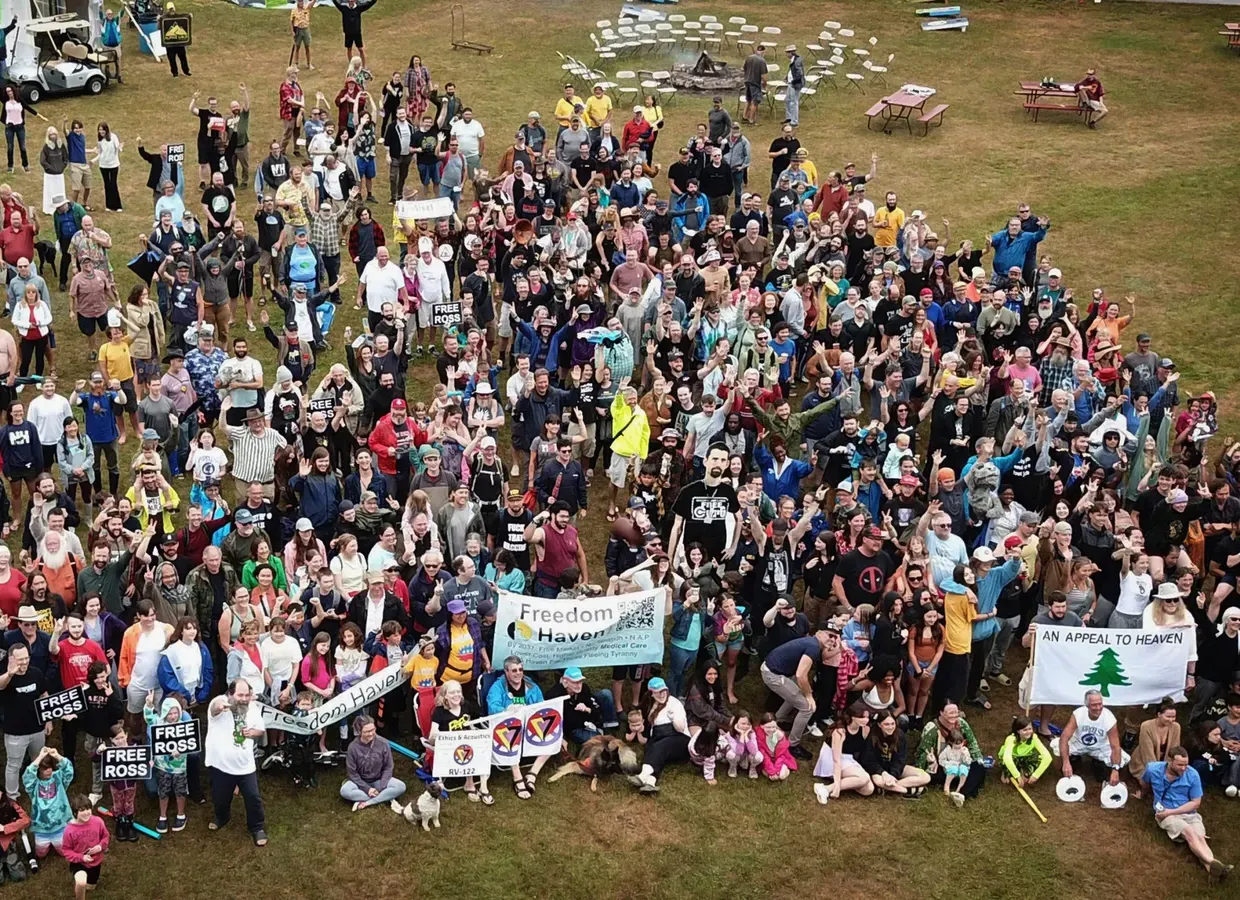
Free State Project
The Free State Project is a migration movement that asks libertarians to move to New Hampshire, the “Live Free or Die” state, so that a concentrated community can shape its civic life. Founded in 2001, it triggered its move in 2016 when 20,000 people had pledged to relocate.
United States 5,000–10,000 residents

Sovereign TerritoryOperational
Sark
Sark is a small self-governing island in the English Channel, part of the Bailiwick of Guernsey and a Crown Dependency rather than part of the United Kingdom, with its own parliament, its own tax system and no cars.
Guernsey, Channel Islands 250–1,000 residents
Sovereign TerritoryComplicated
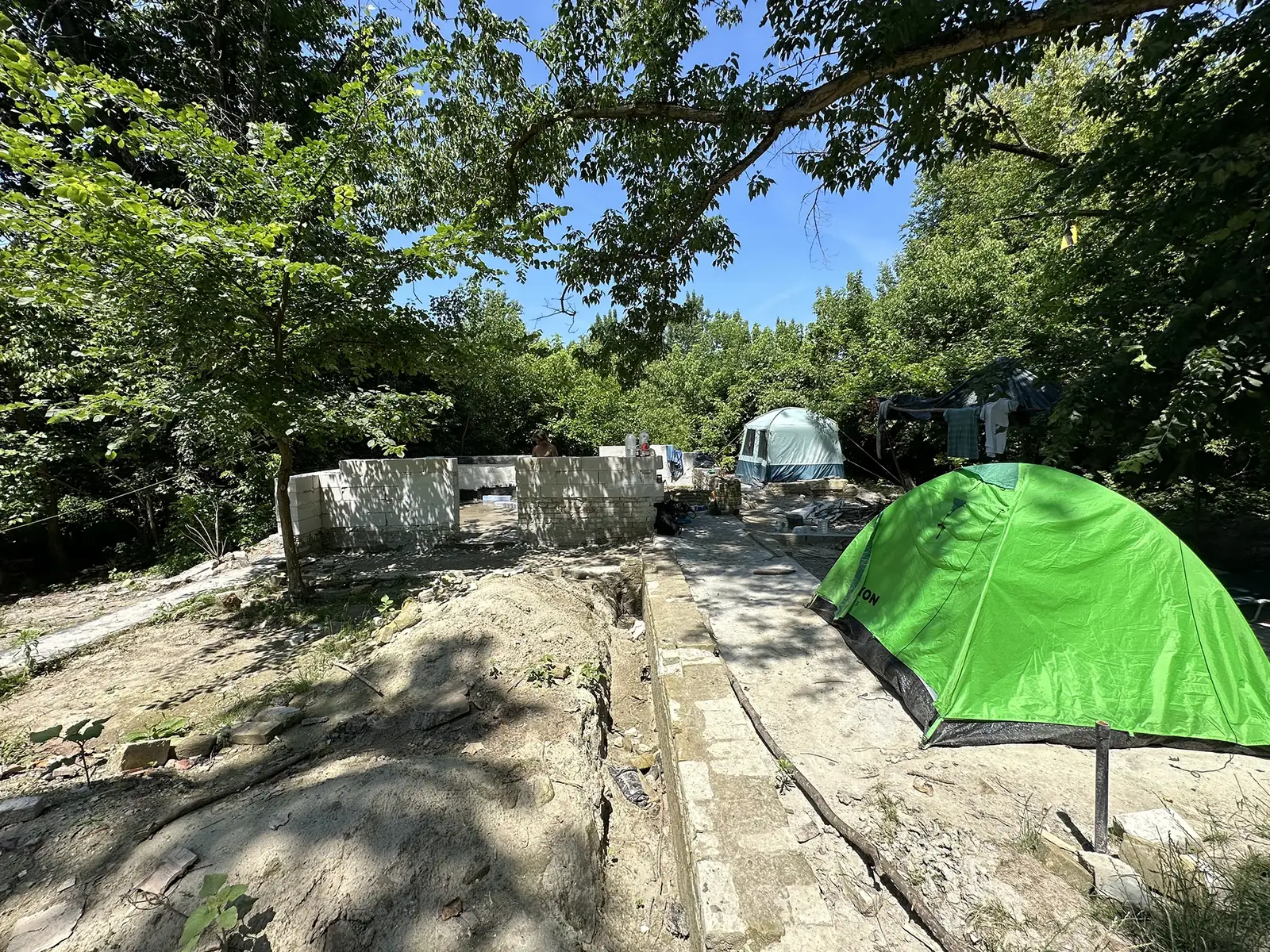
Liberland
Liberland is a self-declared micronation on a seven-square-kilometre parcel of Danube floodplain between Croatia and Serbia, proclaimed in 2015 on land that neither neighbour administers and run on libertarian principles.
Croatia / Serbia No permanent residents
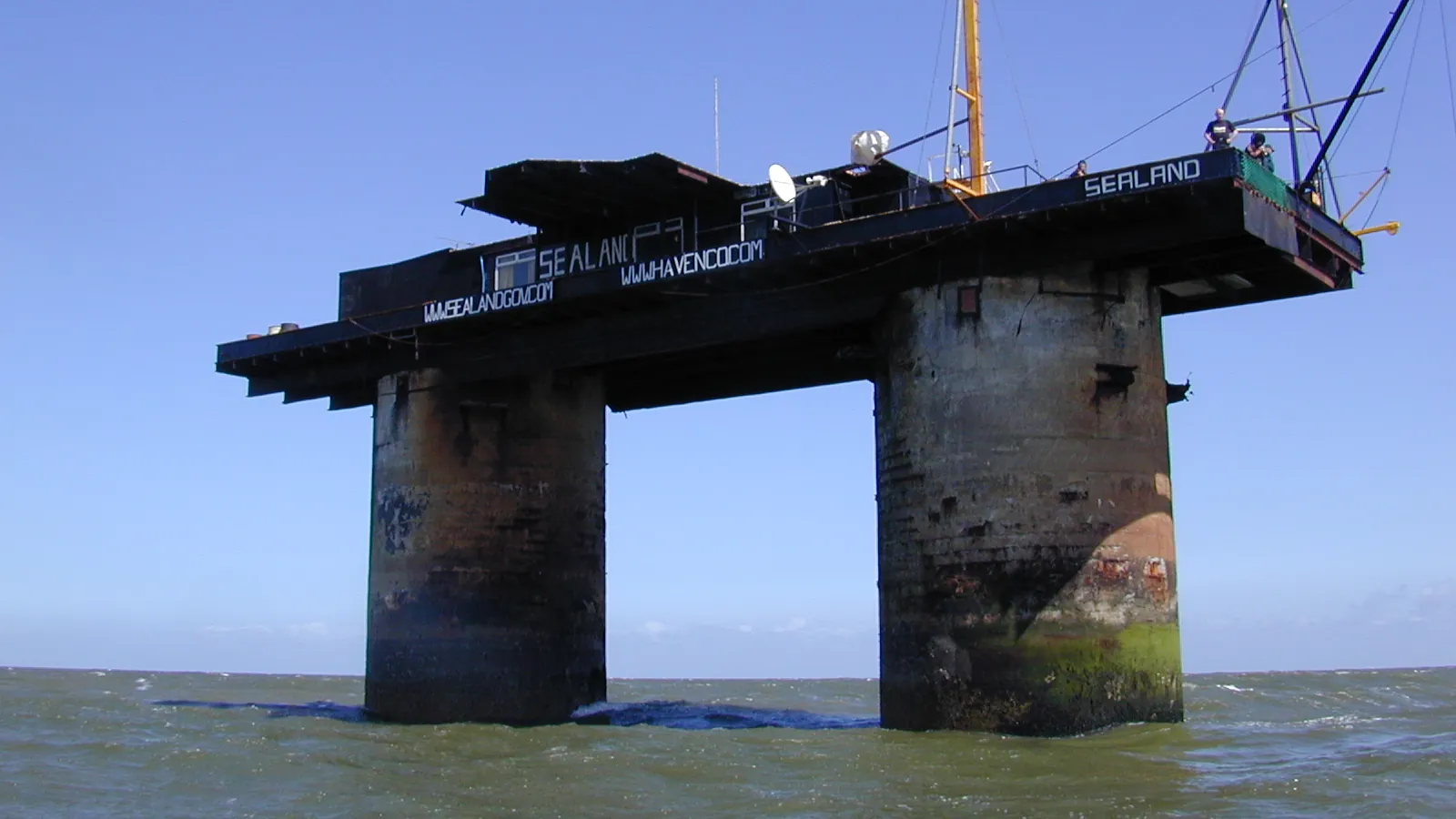
Sovereign TerritoryOperational
Principality of Sealand
The Principality of Sealand is a self-declared micronation on HM Fort Roughs, a Second World War naval platform in the North Sea off the coast of England, founded in 1967 by Paddy Roy Bates and run since as a hereditary principality by his family.
United Kingdom Under 5 residents
In the media
The Generalist
How Do You Build a New Singapore? Inside Próspera's Bet on Private Governance
Palladium
A New Golden Age of Governance
Austrian Economics Center
A Rethink in Governance is Necessary
Yosee
Zero to 1: Private Governance as a Service
Bitcoin Exchange Guide
Ulex And The Concept Of Free Private Cities
Foundation for Economic Education
The Man Who Outsourced the Government
Schweizer Monat
 Deutsch
Wer Machtmissbrauch verhindern will, muss die Macht begrenzen
MISES: Interdisciplinary Journal
 Português
Da Governança Surge um Mercado
Cidades Empresariais
PortuguêsPanarquia e Cidades Empresariais
Schweizer Monat
DeutschMarkt des Zusammenlebens