


Hynek leads the Foundation’s research into free communities around the world and curates its news and blog section. He is also Chief Communications and Research Officer at Tipolis, the developer of new jurisdictions founded by Titus Gebel.
His written work for the Foundation includes the two-part case for why the world needs more Free Cities, argued once politically and once socially: that a jurisdiction nobody can leave has little reason to improve, and that people who choose a place together behave differently from people assigned to one. He has also written on Liberland and on what separates a Free City proposal that could be built from one that merely reads well.
His interests run to urbanism as much as to political economy, which is a rarer combination in this field than it should be. Most arguments about new jurisdictions are arguments about rules; comparatively few are about whether the resulting place is somewhere anyone would want to live.
He has a degree in Politics and International Relations from the University of Cambridge and a background in media and journalism as a writer.
Blog3 min read
The Case for a Free City at Guantánamo Bay
Alexander D. Voss’s new book makes a claim that sounds like a provocation: the most valuable underused asset the United States owns is a naval station in southeastern Cuba, which it could turn into one of the century’s most consequential cities. On a careful reading, the provocation holds. The case is not utopian. It is, if anything, unusually concrete, and the strongest objection to it, that America no longer does things like this, is precisely the objection the project is designed to answer.

Blog35 min read
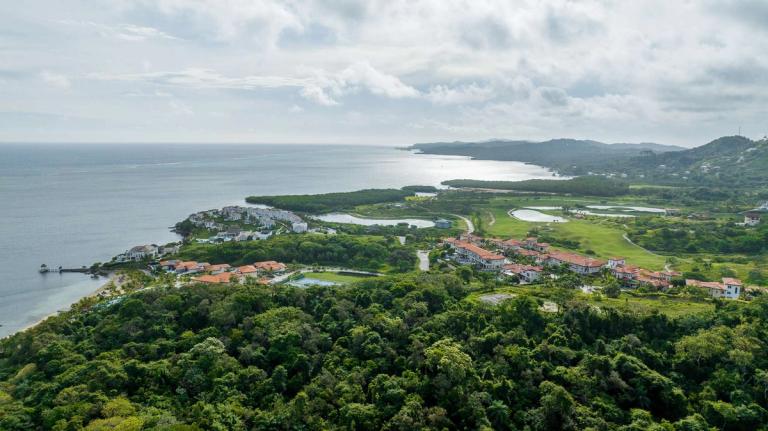
As ZEDEs de Honduras: Passado e Futuro
A Lei Orgânica das ZEDEs foi revogada em abril de 2022. Três anos depois, a batalha judicial entre as zonas e o governo hondurenho continua aberta.
Blog35 min read
Honduran ZEDEs: Their Past and Future
The ZEDE law in Honduras was repealed in April 2022 and with it, one chapter of the history of innovative governance has come to an end.
Blog38 min read
Las ZEDEs de Honduras: Pasado y Futuro
La Ley Orgánica de las ZEDEs fue derogada en abril de 2022. Tres años después, la batalla legal entre las zonas y el gobierno hondureño sigue abierta.
Blog25 min read
Die ZEDEs in Honduras: Vergangenheit und Zukunft
Das ZEDE-Gesetz in Honduras wurde im April 2022 aufgehoben. Drei Jahre später ist der Rechtsstreit zwischen den Zonen und der Regierung weiter offen.
Blog19 min read
The Dawn of Liberland
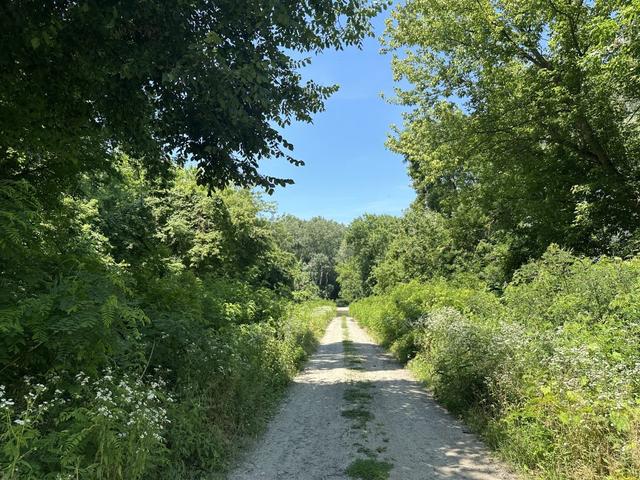
The way to Liberland is easy but not simple. Technically speaking, it’s just a short bike ride away from the nearest village on a comfortable bike path through a stunning forest known as the “Amazon of Europe”.
Blog5 min read
The World Needs More Free Cities (The Social Argument)
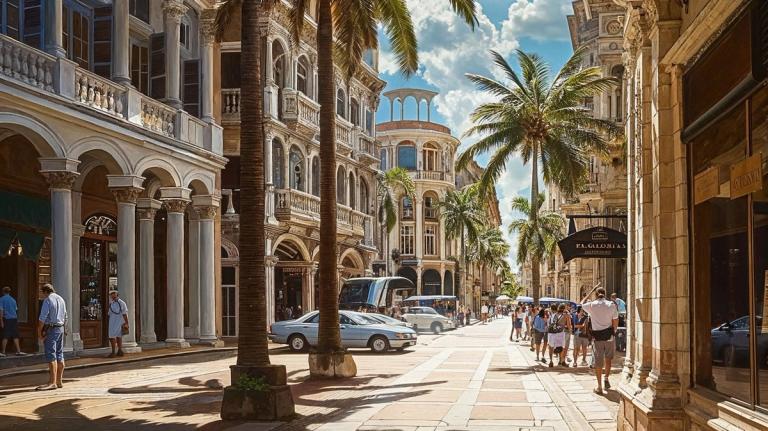
Though we live in the world of nation-states today, this was not always the case. In fact, the modern nation-state is a fairly recent invention. For most of recorded history, the world was ruled by a slew of differently structured powers and systems. One of those models, surprisingly common throughout all this time, was the city-state.
Blog4 min read
The World Needs More Free Cities (The Political Argument)
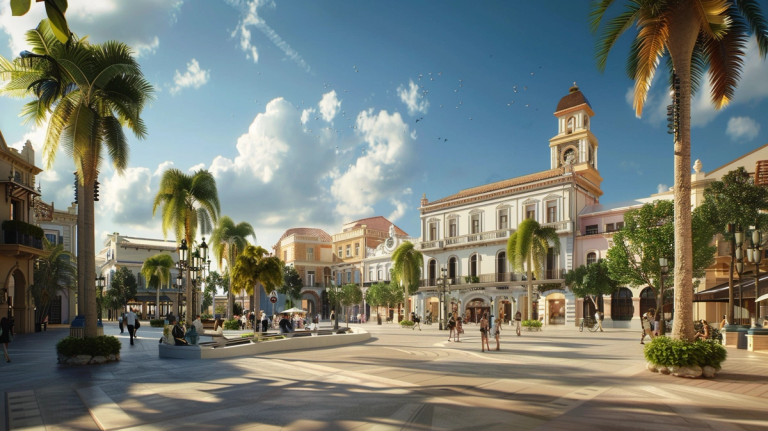
Though we live in the world of nation-states today, this was not always the case. In fact, the modern nation-state is a fairly recent invention. For most of recorded history, the world was ruled by a slew of differently structured powers and systems. One of those models, surprisingly common throughout all this time, was the city-state.

Liberty in Our Lifetime 2023
Liberty in Our Lifetime 2022

Podcast Episode 82
Hynek Fencl: Liberland Insights, Free City Proposals & The Limitations of Democracy
Free Cities Foundation's Hynek Fencl on Liberland, identifying sites for Free City projects with Tipolis and the limits of democracy.