
Residency and Citizenship in Free Cities
If governance is a service, residents are customers who can leave. Free Cities put migration, residency and citizenship at the centre, making the freedom to exit, and to choose where you belong, a live question.
The wider shift matters as much as the Free Cities themselves. Holding two nationalities was an anomaly a lifetime ago and is now ordinary, some sixty countries issue a visa aimed at people who work remotely, and an ancestry claim or a few years of residence can open a second life to someone who never thought of themselves as an investor. Much of what a Free City promises is already available in fragments to anyone willing to work out where they belong.
This topic collects coverage of residency programmes, mobility, e-residency and the politics of who gets to join a new jurisdiction.
Also covers: Residency · Citizenship · Second Passport · Visa · E-Residency · Immigration · Migration · Digital Nomad · Relocation
A world that stopped insisting on one passport
The most consequential change in this field happened with very little fanfare. In 1960 most states treated a second nationality as a problem to be prevented. By 2020 around three quarters accepted it. Germany opened up in 2024, permitting multiple citizenship generally and shortening the road to naturalisation. Italy moved the other way in 2025, restricting descent claims to people with an Italian parent or grandparent born in the country, after decades in which a great-grandparent was enough.
Taken together this is a real and largely unremarked expansion of options. Citizenship by descent, naturalisation after a few years of residence, marriage, and now some sixty national visas written for remote workers: none of these require money in the usual sense, and between them they let far more people than at any earlier point decide where their life actually happens. Albert Hirschman’s distinction between exit and voice is the frame the movement uses for it. If you cannot change a place you can leave it, and a credible threat of leaving changes how you are treated while you stay.
The market in residency
Alongside the ordinary routes runs an explicit market. Five Caribbean states offer citizenship in exchange for an investment, under a floor of two hundred thousand dollars they agreed among themselves in 2024. Golden visas granting residency rather than nationality are far more widespread, from Panama and Paraguay to the United Arab Emirates. Portugal channels its programme into investment funds, Italy offers wealthy new residents a flat annual charge on foreign income in place of ordinary taxation, and Puerto Rico has run an incentive regime for years.
Two practical things are worth knowing about this field. The terms move constantly: Portugal removed its property route, Spain closed its programme in 2025, Italy raised its flat charge twice within two years. And residence and taxation are separate questions. Where you are taxed turns on day counts, on where your centre of life sits and, for Americans, on citizenship rather than residence at all. Anyone comparing programmes needs tax advice in both countries, not just the brochure.
What a Free City adds
Against that backdrop the Free Cities offer is unusual for being cheap. Próspera opened residency and e-residency to anyone in the world for a flat annual fee an order of magnitude below any investment programme. Estonia’s e-Residency, which is not a Free City but pioneered the idea, has issued digital identities to well over a hundred thousand people from most countries on earth, most of whom use it to run a company inside the European single market from wherever they happen to live.
What is on offer differs too. An investment programme sells a document and the travel it unlocks. A Free City sells the rules themselves: a defined legal framework, a known fee, courts that work, and the freedom to leave. Albert Hirschman called that exit, and its value does not depend on ever using it, because a resident who can go elsewhere is treated differently by whoever governs the place they are in.
The movement also has projects aimed well below the investor market. Ciudad Morazán near Choloma was built for Honduran factory workers, with rents set against local wages rather than international ones. It is the clearest statement that choosing your own jurisdiction is not meant to stay a service for people who already have options.
Articles
Blog4 min read
People Go Where They Are Treated Best
There is a line in Jamie Dimon’s 2025 letter to JPMorgan shareholders that reads like a warning shot aimed at high-tax state capitals. “Individuals vote with their feet,” he wrote. “You can already see a fairly large exodus of people and jobs out of some states with high taxes and high expenses.” Then he laid out the receipts. JPMorgan has cut its New York headcount from 30,000 a decade ago to 24,000. Its Texas headcount has grown from 26,000 in 2015 to 32,000 over the same period. He framed the migration plainly: “People often make this a moral or loyalty issue, but it is not. Companies need to remain competitive in this very tough, fast-moving world.”
 Alex Voss · Free Cities Foundation
Blog8 min read
The Future of Citizenship and Residencies
The history of residencies and citizenships is deeply intertwined with the development of human societies, governance, and international relations. It’s a complex topic that spans from ancient civilizations to modern-day policies, reflecting changes in how communities and nations define belonging, rights, and obligations. While those who argue passports are inherently statist conceptions may be correct, if we aim to be free in the world we find ourselves in, we must learn more about this institution.
Alex Voss · Free Cities Foundation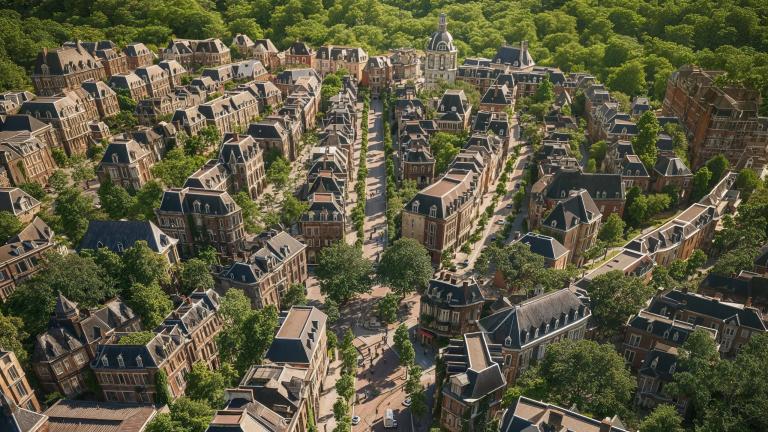
Blog6 min read
Free Cities: A New Option for Expats?
It will come as no surprise to readers of this article that the current situation is perilous in the US and throughout much of the western world. We are ensconced in debt and our political leaders are preoccupied with virtue signaling on foreign affairs rather than ensuring babies have the formula they need. Both major parties argue over the legitimacy of US elections. Any semblance of a solution seems unlikely.
Alex Voss · Free Cities Foundation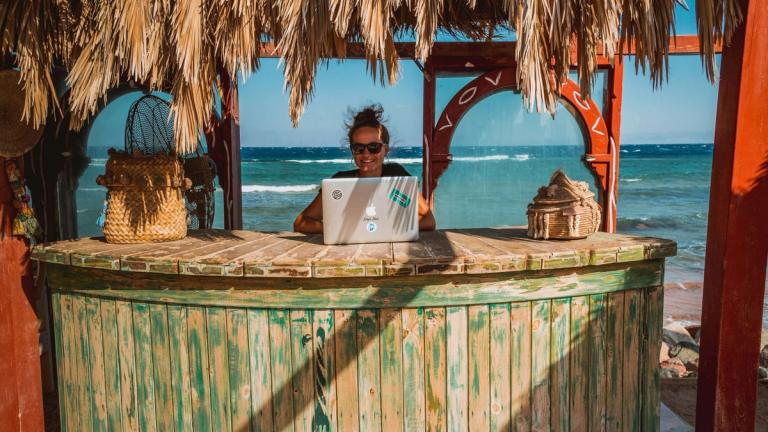
Videos
Free Cities Conference 2025
Free Cities Conference 2025
Free Cities Conference 2025
Free Cities Conference 2025
Free Cities Conference 2025
Free Cities Conference 2025
















Podcast episodes
Podcast Episode 197
Dominic Frisby: They’ll Blame You When It Fails
Dominic Frisby doubts fiat ends in hyperinflation. He expects decades of quiet debasement, and thinks gold and Bitcoin holders get the blame.

Podcast Episode 191
Vance: Everyone Needs a Plan B
Vance is not his real name, and that is rather the point. The founder of My Latin Life built a Latin American relocation service while keeping his own…

Podcast Episode 173
Mailyn Salabarria: The Hidden Path to Tyranny
Cuban refugee Mailyn Salabarria on leaving Cuba with $200, how the regime sustains itself, and what voting with your feet really costs.

Podcast Episode 170
Tim Stern: Leaving Europe Is The Rational Choice
Tim Stern on founding CryptoCity in Venezuela, why Europeans are choosing exit, and building a high-trust community far from political risk.

Podcast Episode 167
Mikkel Thorup: The Global Freedom Map Is Changing
Mikkel Thorup of Expat Money on where real-world freedom is rising or vanishing, territorial tax systems, and why Panama acts as a city-state.

Podcast Episode 166
Christoph Heuermann: You Can Live Tax Free Almost Anywhere
Perpetual traveller Christoph Heuermann on living tax-free, global mobility, exit and Plan B thinking, and why Free Cities may still matter.

Podcast Episode 165
Rahim Taghizadegan: Exit Is More Powerful Than Voice
Austrian economist Rahim Taghizadegan on why exit beats voice and citadel.garden, his low-profile network of Bitcoin-backed family refuges.

Podcast Episode 138
Mailyn Salabarria: Government Red Flags – Lessons From a Cuban Refugee
Cuban refugee Mailyn Salabarria on escaping communism, government overreach and warning America about the slow creep of tyranny and bureaucracy.

















Projects
Intentional CommunityOperational
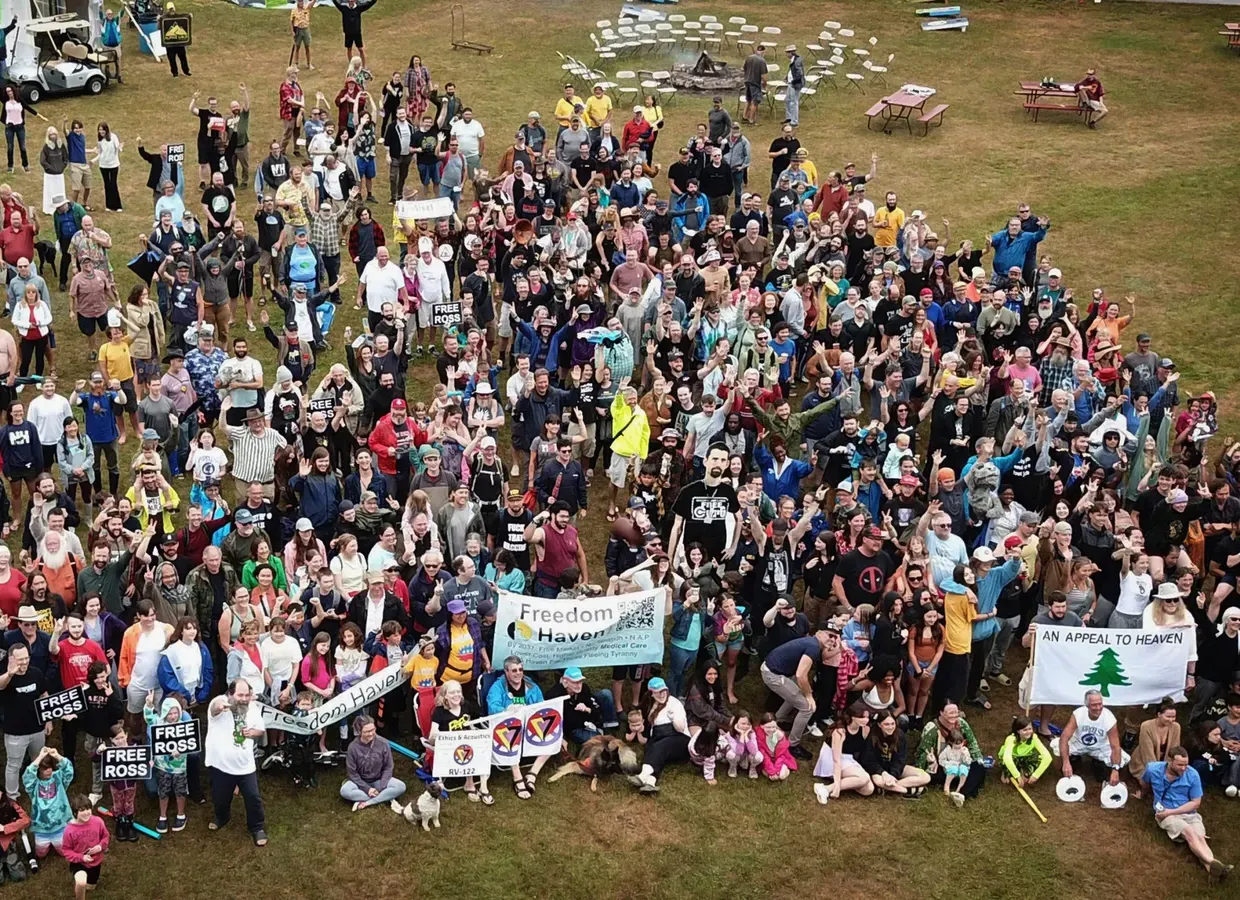
Free State Project
The Free State Project is a migration movement that asks libertarians to move to New Hampshire, the “Live Free or Die” state, so that a concentrated community can shape its civic life. Founded in 2001, it triggered its move in 2016 when 20,000 people had pledged to relocate.
United States 5,000–10,000 residents

Intentional CommunityIn Development
Citadel.Garden
This shareholder-owned network of family homes across borders gives location-independent families dependable places to return to, beginning with a first village built in the Istrian countryside in Croatia.
Croatia · Madeira Under 50 residents
Sovereign TerritoryComplicated
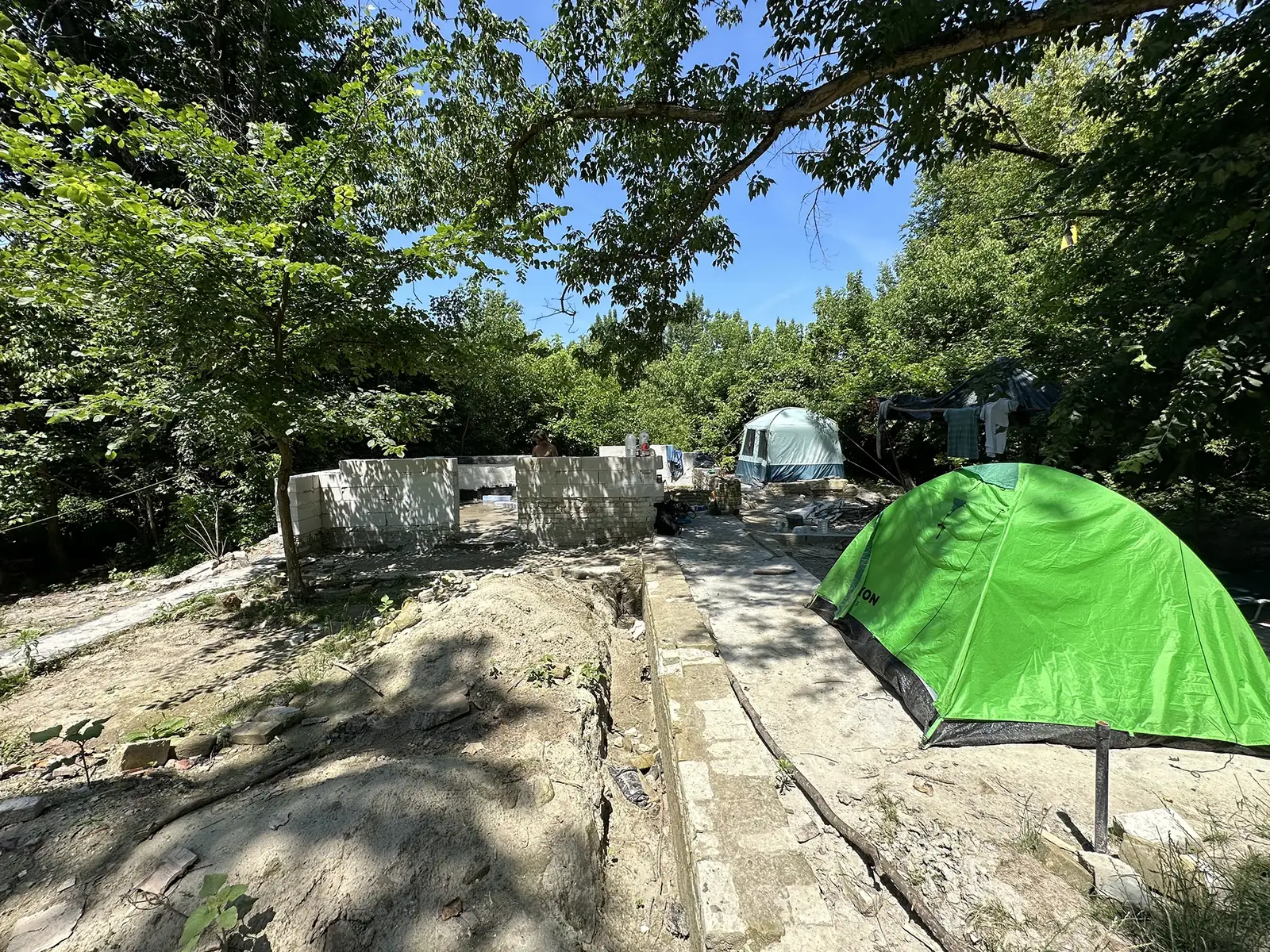
Liberland
Liberland is a self-declared micronation on a seven-square-kilometre parcel of Danube floodplain between Croatia and Serbia, proclaimed in 2015 on land that neither neighbour administers and run on libertarian principles.
Croatia / Serbia No permanent residents
In the media
The Daily Economy
Jurisdiction Shopping: The Forgotten Logic Behind Flag Theory
IMI Daily
The Man Who Grew Sark's Population 20% by Wooing Digital Business-Owners With Political Freedom
The Wandering Investor
0% income tax in Europe – Should you consider a Sark residency?
Foundation for Economic Education
Can Private Cities Help Solve the Refugee Crisis?
Der Freydenker
 Deutsch
Free Cities: Eine Chance für Expats?