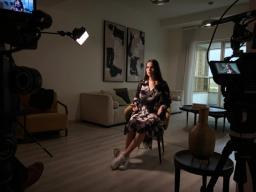
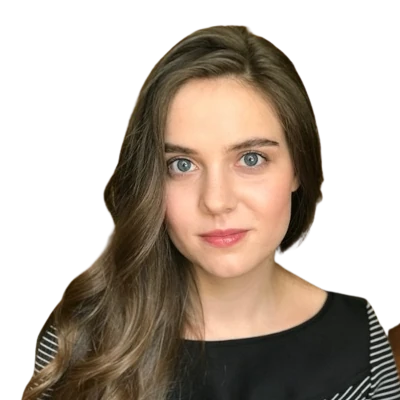

 Featured in our documentaryZones of Progress One of the voices in our film on the past, present and future of Special Economic Zones.
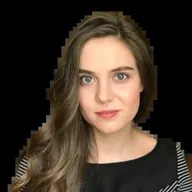
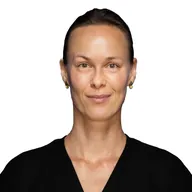
 Dr Vera Kichanova is an urban economist exploring the future of private governance. Besides the Free Cities Foundation, she works at Zaha Hadid Architects as urban policy advisor. Vera’s career has spanned roles including elected Municipal Councillor in Moscow, Editor-in-Chief with Atlas Network in Kyiv, and President of the Oxford Hayek Society.
That council seat came at twenty, which made her one of the youngest elected officials in Russia and the first elected libertarian in the country. The Washington Post called her the new face of Russia’s opposition, her story appears in the book Generation Putin, and she received the National Endowment for Democracy’s Democracy Award in 2013.
She had arrived there from journalism, writing for her local paper at fourteen and later for Novaya Gazeta and Slon, and she left Russia as the room for both occupations closed.
She spent more than seven years at Zaha Hadid Architects advising city planners on municipal governance, which is where the two halves of her work meet. Her doctoral research is on private urban development: charter cities in emerging economies and startup jurisdictions in neutral waters, examined as an economist rather than as an advocate. She is a Research Fellow at King’s College London and writes for The Telegraph, Forbes, the Wall Street Journal, Spiegel and CapX.
She is a Frédéric Bastiat Fellow at the Mercatus Center (US), a contributor to the Adam Smith Institute (UK) and a Mont Pèlerin Society member. Vera holds a PhD in Political Economy from King’s College London, a Master of Public Policy from the University of Oxford, and a BA in Journalism from Moscow State University.
Blog10 min read
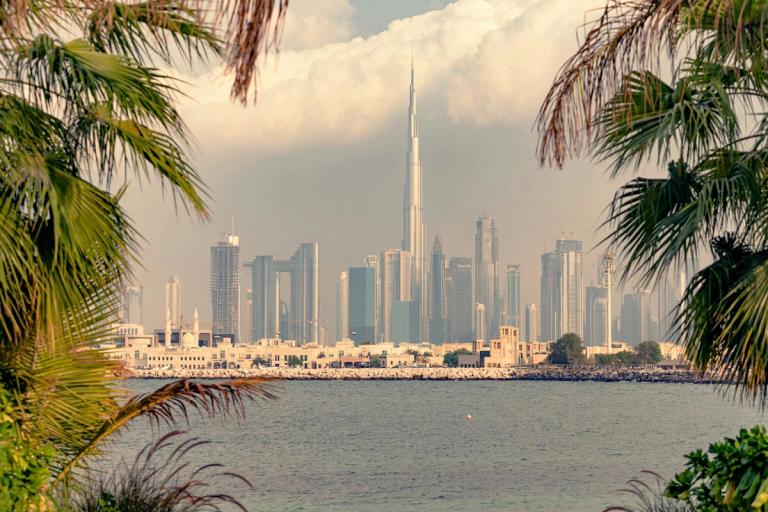
Can Startup Cities Defend Themselves? Ask Dubai
It’s been a month since the Gulf war erupted. Triggered by the assassination of Iran’s leader in a U.S.-Israeli strike, the conflict has since spilled across the region.
Blog7 min read
Why Private Cities Are Good for the Planet
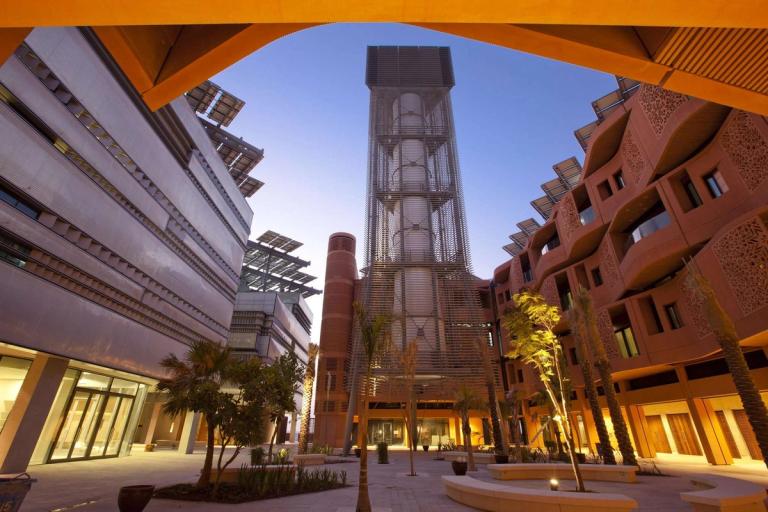
Cozy neighbourhoods shaded by eucalyptus trees and protected wildlands stretching from the Santa Ana Mountains to the Pacific Ocean—welcome to Irvine, a master-planned city in Orange County, California. With its Mediterranean climate, thriving economy, and more than one-third of its land reserved for green open space, Irvine consistently ranks among the happiest (top 3), healthiest (top 10), safest (top 3), and greenest (top 10) cities in the United States.
Blog4 min read
Bringing Free Cities to Established (But Stagnating) Democracies, Starting from Britain
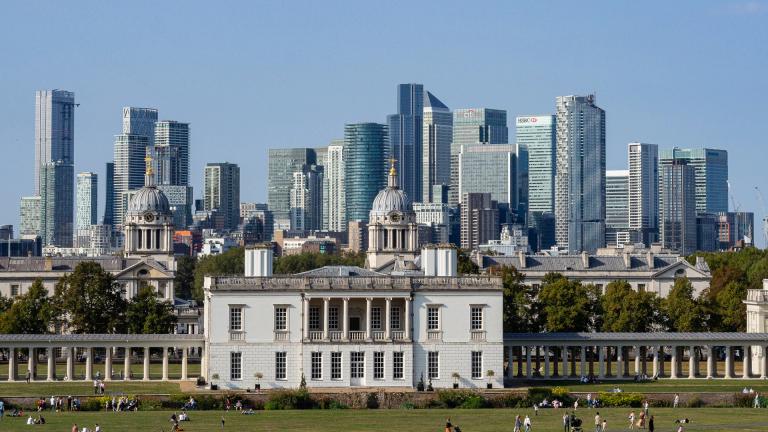
Around the world, a quiet revolution is reshaping how we build and govern cities. From private blockchain in Próspera to the car-free streets of Lavasa, new urban experiments are challenging the old ways — and a growing number of pioneers are voting with their feet. Maybe you’re even browsing the Free Communities Directory right now, wondering where your next home might be.
Blog6 min read
The Metaverse: An Incubator for Free Cities?
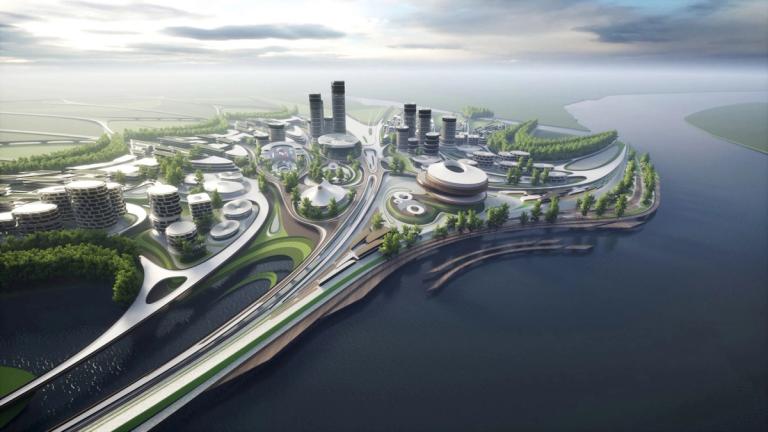
Free cities are on the rise, both in the West and in the East, in wealthier countries and aspiring economies, in established democracies and more turbulent ones. And that is excellent news: more urban experiments mean more opportunities for visionaries and a wider choice of rules for us all. However, getting a green light from the host country has always been (and still remains) the ultimate obstacle. What if there were a place, a kind of innovation playground, where new governance models can be road-tested without the usual red tape or democratic wrangling? A place where ideas can go from a lightbulb moment to real-world action at warp speed? There probably is one: the metaverse.
Blog35 min read
Seasteading: El Movimiento, Historia y Perspectivas
A lo largo de la historia, el mar ha sido percibido como una vía de escape, ya sea de la persecución, como en el caso de los peregrinos que viajaron a América del Norte, o del estado, como en el caso de los piratas.
Blog31 min read
Seasteading: The Movement, History, and Perspectives
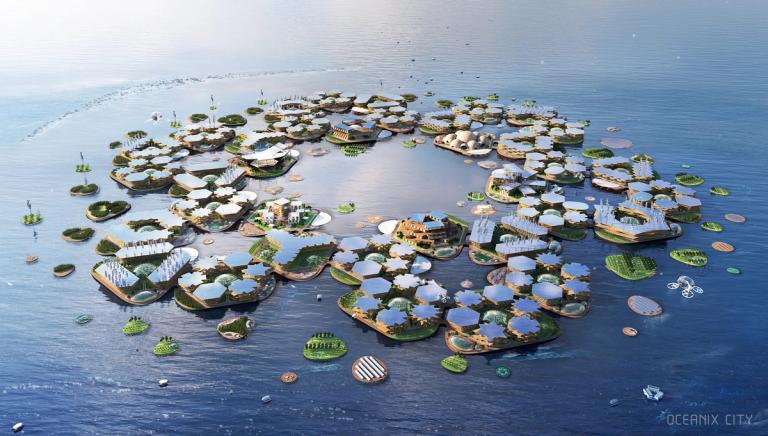
Throughout history, the sea has been perceived as a route to escape — whether from persecution, as in the case of the pilgrims travelling to America, or from the state, as in the case of pirates.
Blog8 min read
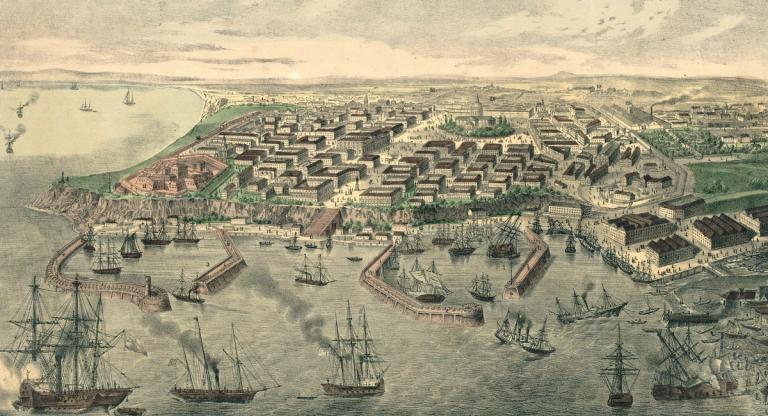
Odesa’s Economic Miracle: This 19-Century Free City Holds Lessons for Ukraine’s Recovery
Ukraine’s largest seaport, Odesa, has been making headlines recently — for a grim reason. In the past month alone, Russian drones and missiles have disfigured a fair share of the city’s UNESCO-listed historic centre, including the Orthodox Cathedral, the House of Scientists (the former Counts Tolstoy palace), three museums, and a range of 19th-century mansions. Optimism prevails nevertheless: for the first time since the start of the full-scale invasion in 2022, the city is reopening its beaches.
Blog7 min read
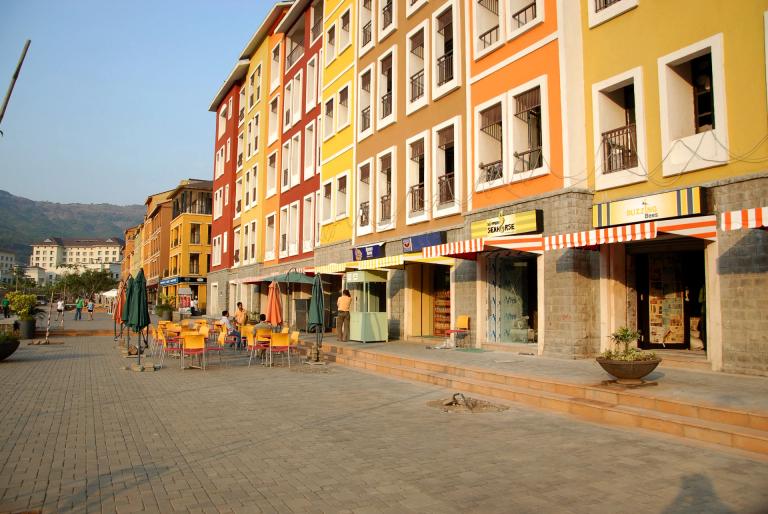
Green, Walkable, Private: An Untold (and Unfinished) Story of Lavasa City
Some 130 miles southeast of Mumbai lies a city you would instead expect to find on the Mediterranean coast. Modelled on the Italian resort of Portofino, with its colourful cottages, cobbled streets, and pristine green slopes, Lavasa is a stark contrast to the roaring, chaotic cities India is notorious for. It claims to be the country’s most sustainable city — and its 2,000 residents can testify to this.
Free Cities Conference 2025
Free Cities Conference 2025
Free Cities Online Summit 2025
Free Cities Online Summit 2025
Liberty in Our Lifetime 2024
Liberty in Our Lifetime 2024

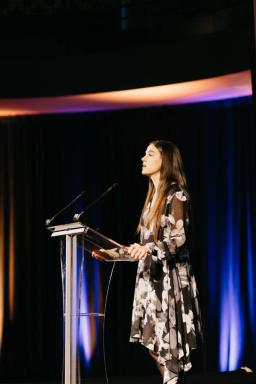
Podcast Episode 157
Vera Kichanova: Climbing a Ladder of Consent
Vera Kichanova on the post-COVID surge of interest in Free Cities, the role of consent, and answering critiques that they serve only the wealthy.
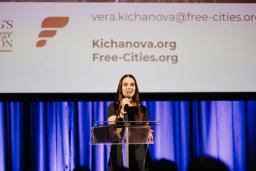
Podcast Episode 115
Vera Kichanova: Lessons From Odessa
FCF economist Vera Kichanova on Odessa as a historical model for Free Cities and Special Economic Zones, and why such models are rare today.
Podcast Episode 71
Vera Kichanova: Private Cities, Russian Politics & The Middle East
Economist Vera Kichanova, holder of the first PhD on private cities, on building cities in the Middle East and her start in Russian politics.