
Charter Cities

A Charter City is a special zone within a country that is granted separate legislative powers via a charter that establishes the city and its status. This allows the city to become a partially autonomous territory that is able to set its own targeted policies on a local level, which is often not feasible to do in a nationwide setting.
Charter Cities are commonplace in some developed countries, such as the United States. They usually do not feature far-reaching innovation in governance and are often governed by a traditional municipal government, sometimes with a handful of special characteristics and more flexible policies. The Charter Cities movement was revived by Paul Romer in the 2000s, who advocated for establishing cities with local autonomy across the world. The movement has seen great successes since, with Charter Cities now being negotiated and established across the world.
Charter Cities can be Free Cities if the content of their Charter is oriented toward expanding and protecting the freedoms of its citizens. This might not always be the case, as there are places and situations where freedom is not always priority number one and other values take precedence.
Also covers: Charter City · Startup City · Startup Cities · Paul Romer
One of the models under the Free Cities umbrella.
Articles
Blog6 min read
Freedom Cities: What They Are, and Whether They Can Be Free
Ten new cities on federal land, chosen by competition and freed from the usual permitting: that was the Freedom Cities pitch. What it would take for a Freedom City to be a Free City, and where the idea stands in 2026.
 Joyce Brand · Free Cities Foundation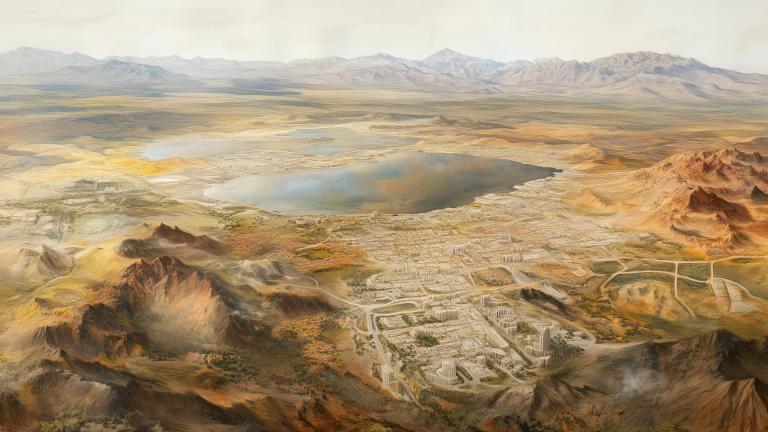
Blog4 min read
Africa’s New Cities Summit
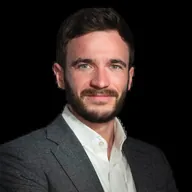
Africa stands on the brink of a profound urban transformation, poised to add 1 billion people to its cities by the year 2050. Projections suggest that by 2100, the continent will host 13 of the world’s most populous urban centers, up from just two today. This demographic change will necessitate not only the expansion of existing cities but the creation of entirely new ones too.
 Peter Young · Free Cities Foundation
Videos
Free Cities Conference 2025
Free Cities Online Summit 2025
Free Cities Online Summit 2025
Liberty in Our Lifetime 2024
Liberty in Our Lifetime 2024
Free Cities Foundation






Podcast episodes
Podcast Episode 178
Patri Friedman: 8 Hard Truths from 25 Years of Investing in Free Cities
Patri Friedman on 25 years investing in Free Cities, from the Seasteading Institute to Pronomos, and eight hard truths about what actually works.
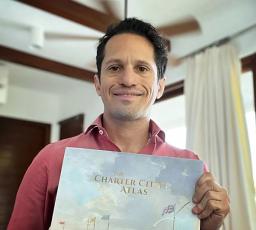
Podcast Episode 112
Mark Lutter & Carl Peterson: Africa, Charter Cities & The Future of Urban Development
Charter Cities Institute's Mark Lutter and Carl Peterson on charter cities in Africa, the NXT50 coalition and lessons from Próspera.

Podcast Episode 91
Ivan Ko: Planning a Free City in the UK
Victoria Harbour Group CEO Ivan Ko on planning a 21st-century charter city in the UK's Thames Estuary Free Port area.

Podcast Episode 60
Ivan Ko: Made in Hong Kong
Ivan Ko of Victoria Harbour Group on leaving Hong Kong and pitching an ambitious 21st-century charter city to a council in England.

In the media
South China Morning Post
Inside Bhutan's US$100 billion plan to build 'happy' Singapore-inspired economic hub
Palladium
Build the Presidio Freedom City
TIME
Inside Bhutan's Plan to Boost Its Economy With 'Mindful Capitalism'
City Journal
Building Freedom Cities
Works in Progress
Build state capacity by building charter cities
City Journal
Give Charter Cities a Second Look
ZDNet
Can 'charter cities' help abolish global poverty?
NPR Planet Money
The TED Talk That Could Spawn a City
City Journal
Cities from Scratch
Caos Planejado
 Português
Charter cities e cidades privadas
 Русский
 Français