
Honduran ZEDEs
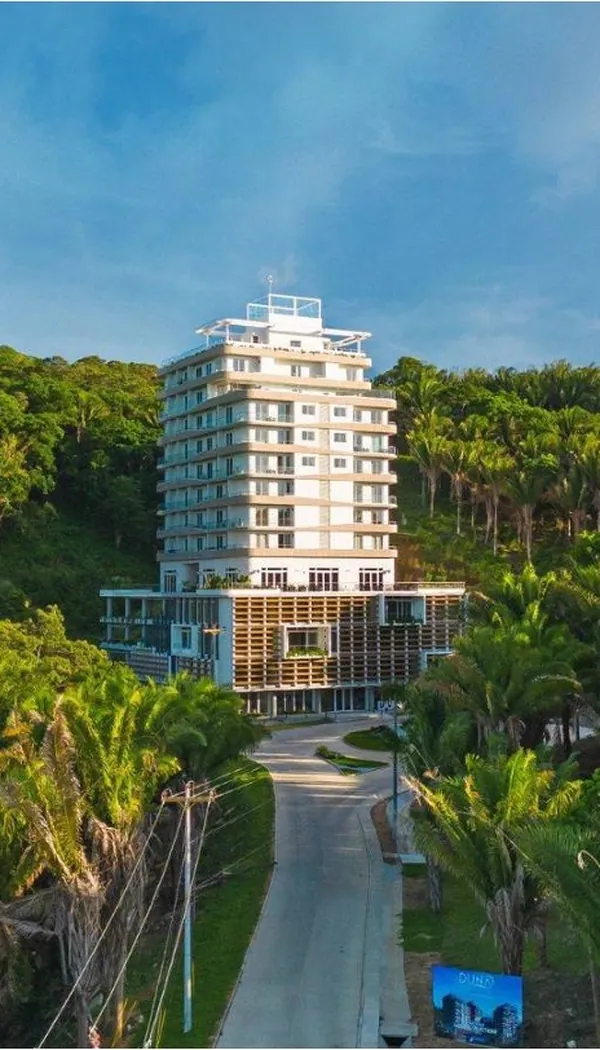
ZEDEs, or Zonas de Empleo y Desarrollo Económico (Zones for Employment and Economic Development), are a Honduran legal framework that grants designated zones far-reaching autonomy over their own administration, courts, taxation and regulation. Created through constitutional reform in 2013, they are among the most ambitious special-jurisdiction frameworks anywhere: a ZEDE can run its own civil and administrative law, set its own fiscal rules, and resolve disputes through its own courts and arbitration, while Honduras retains sovereignty over criminal law, defence and foreign affairs.
Because a ZEDE is administered by a private promoter under agreements with its residents and the host state, the best-known ZEDEs sit much closer to the Free Private City model than to an ordinary Special Economic Zone. Próspera, on the island of Roatán, is aimed at international entrepreneurs, innovation and longevity research; Ciudad Morazán, near Choloma, is built around safe, affordable living for blue-collar Hondurans. Together they are the clearest real-world test yet of whether a privately governed Free City can deliver a better life inside an existing nation-state.
The framework’s future is contested. In 2022 the Honduran Congress voted to repeal the constitutional provisions underpinning the ZEDEs, and the zones’ legal status has been disputed ever since, including international arbitration brought by their operators. What happens next matters far beyond Honduras: the ZEDEs are widely watched as a bellwether for the whole Free Cities movement.
Also covers: ZEDE · ZEDEs · Zona de Empleo y Desarrollo Económico · Zones for Employment and Economic Development · Honduras · Roatán
One of the models under the Free Cities umbrella.
Articles
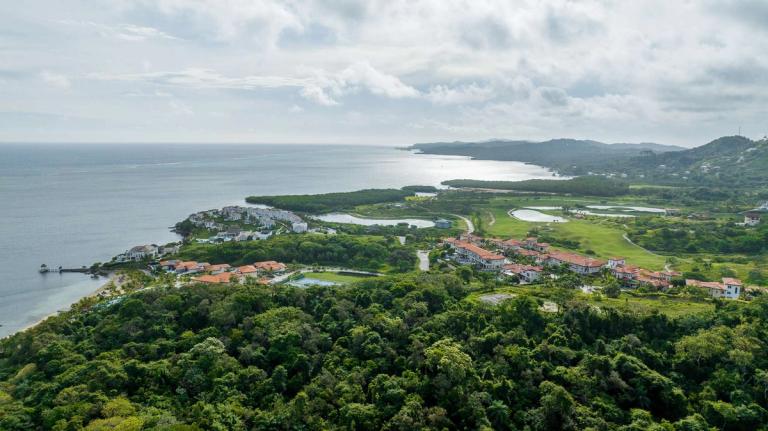
Blog35 min read
Honduran ZEDEs: Their Past and Future
The ZEDE law in Honduras was repealed in April 2022 and with it, one chapter of the history of innovative governance has come to an end.
 Hynek Fencl · Free Cities Foundation
Blog6 min read
Honduras Election, Grokipedia, Sark & What’s Ahead
As we approach the end of 2025, we bring you an update on the long-anticipated Honduran general election results, Grokipedia’s newly published deep dive into Free Cities, developments on Sark, and more…
 Natalie Danelishen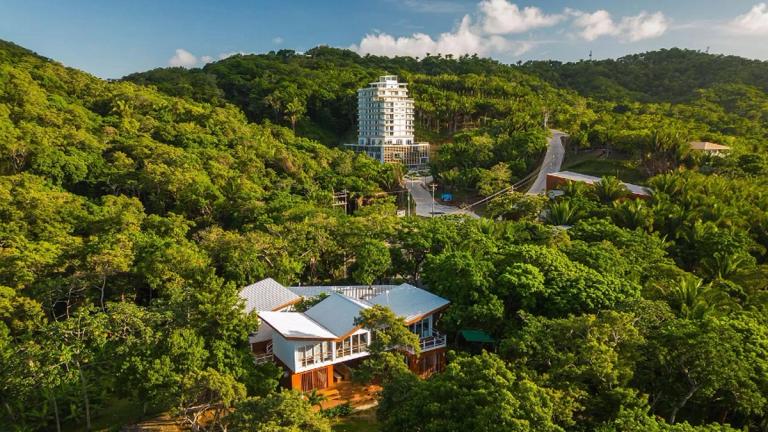
Blog35 min read
As ZEDEs de Honduras: Passado e Futuro
A Lei Orgânica das ZEDEs foi revogada em abril de 2022. Três anos depois, a batalha judicial entre as zonas e o governo hondurenho continua aberta.
Hynek Fencl · Free Cities FoundationBlog38 min read
Las ZEDEs de Honduras: Pasado y Futuro
La Ley Orgánica de las ZEDEs fue derogada en abril de 2022. Tres años después, la batalla legal entre las zonas y el gobierno hondureño sigue abierta.
Hynek Fencl · Free Cities FoundationBlog25 min read
Die ZEDEs in Honduras: Vergangenheit und Zukunft
Das ZEDE-Gesetz in Honduras wurde im April 2022 aufgehoben. Drei Jahre später ist der Rechtsstreit zwischen den Zonen und der Regierung weiter offen.
Hynek Fencl · Free Cities FoundationNews4 min read
Free Cities News & Updates – December 2024
As 2024 draws to a close, we reflect on a year defined by both exciting progress and notable challenges. From the establishment of new Free City projects to the continued growth of our conference, the momentum has been inspiring.
 Free Cities Foundation Team
Blog5 min read
Free Cities at Vitalia 2024
Vitalia 2024 is a pop-up city hosted by the ZEDE Próspera on the island of Roatan off the coast of Honduras. Pop-up cities are temporary communities that bring together innovators from various industries to learn and share ideas and projects. They combine speeches, panel discussions, networking, and co-working to connect leading thinkers from around the world.
 Joyce Brand · Free Cities Foundation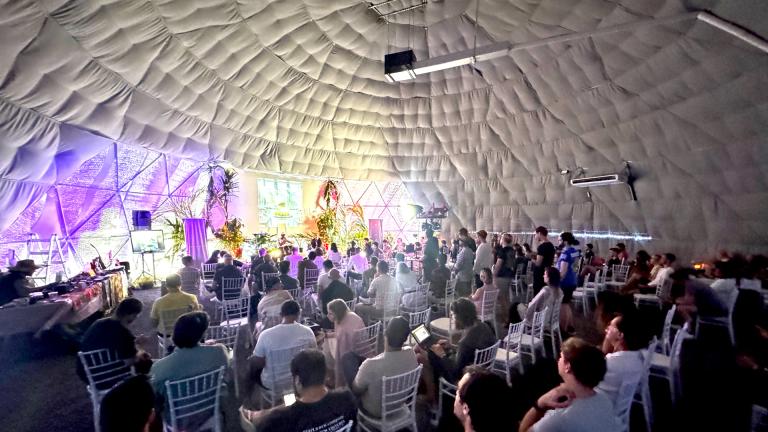
Blog4 min read
Honduran Free Cities vs. Rogue Government
Two of the most autonomous Free Cities in the world are Próspera and Ciudad Morazán in Honduras. As Zones of Employment and Economic Development (called ZEDEs for their Spanish acronym), they have faced fierce opposition from the new Honduran government for the last two years. While this is nothing new, the propaganda against the ZEDEs has increased dramatically in the last few weeks.
Joyce Brand · Free Cities Foundation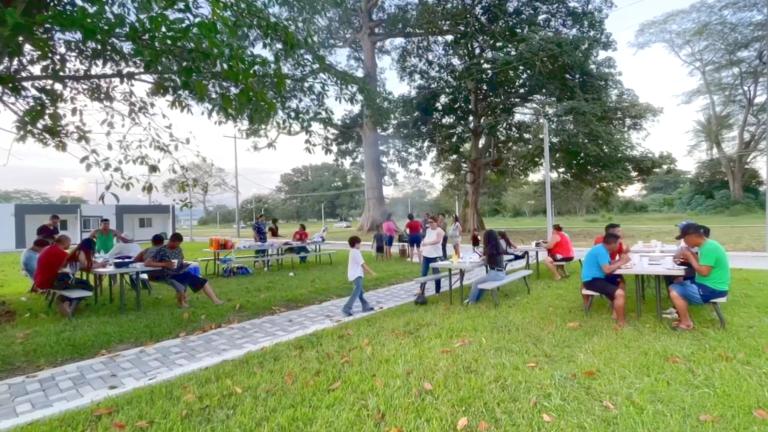
Blog5 min read
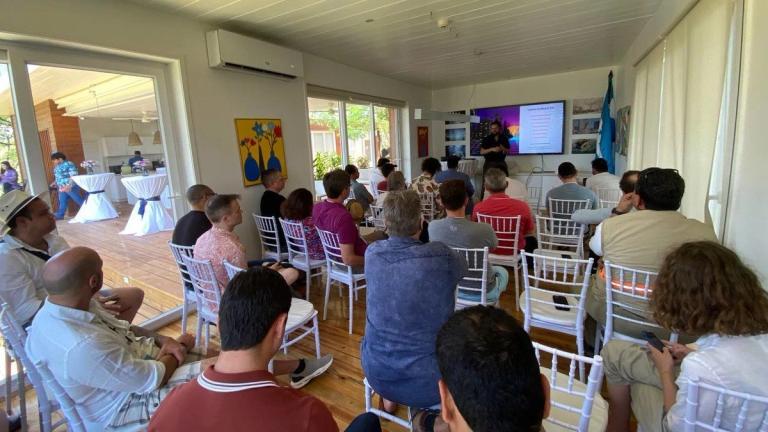
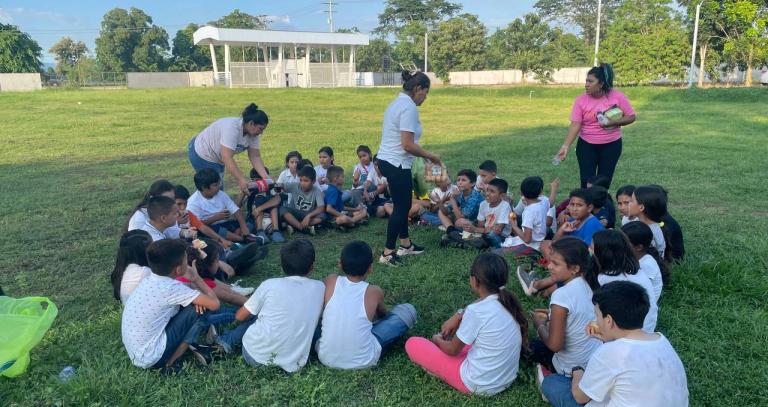
Ciudad Morazán Makes a Difference in the Life of Even the Least Fortunate
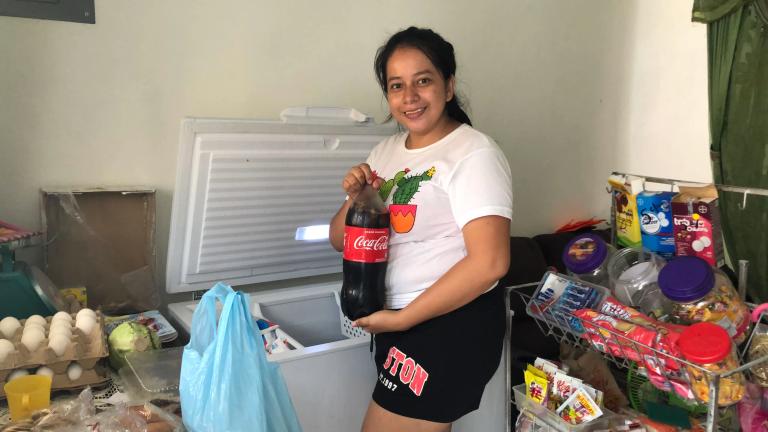
Anthoni Lopez was born in Choluteca, Honduras, in August 2007. He lived with his mother, father, one brother, and two sisters until he was seven years old when his parents divorced. Anthoni’s father kept his brother and one of his sisters, but his mother took him and his sister, Paola, to faraway Choloma, the industrial hub of Honduras, where she got a job in a textile factory. They lived in the dangerous neighborhood of San Miguel, and 14-year-old Paola cared for him while their mother worked.
Joyce Brand · Free Cities Foundation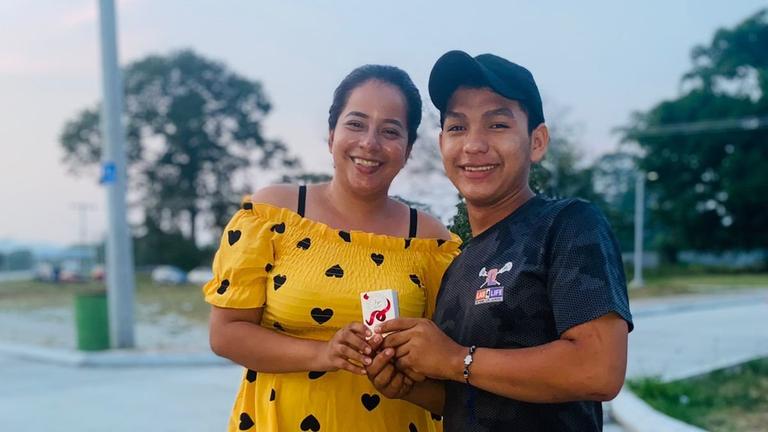

Videos
Free Cities Conference 2026
Free Cities Conference 2025
Free Cities Conference 2025
Free Cities Conference 2025
Free Cities Conference 2025
Free Cities Conference 2025









Podcast episodes
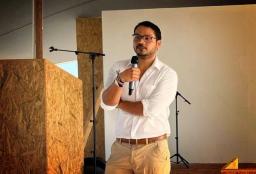
Podcast Episode 195
Christian Betancourt: How to Survive a Hostile Government
Four years ago, Timothy Allen came to Próspera to see whether there was anything actually there. An interview happened on a sofa in a guest house down the…
Podcast Episode 185
Niklas Anzinger: Medicine Without Permission
Niklas Anzinger on putting Próspera on the longevity biotech map, the FDA's limits and an insurance-based alternative to medical regulation.
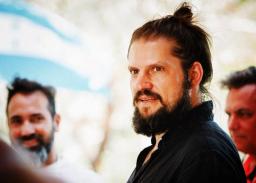
Podcast Episode 183
Tomek Kołodziejczuk: The Bitcoin Free City
Tomek Kołodziejczuk on building a Bitcoin city inside Próspera, the Bitcoin District, and turning Roatán into the world's most Bitcoin-dense island.
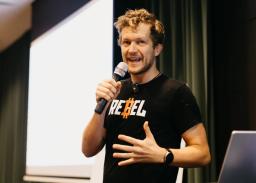
Podcast Episode 177
Gabriel Delgado: The Próspera Master Plan
Gabriel Delgado on how Próspera survived a hostile Honduran government, its 50-year legal guarantees, and the master plan for what comes next.
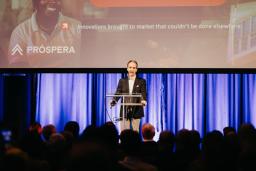
Podcast Episode 162
Vladimir Leshko: You Will Live Forever If You Choose To
Biomedical engineer Vladimir Leshko on gene therapy, longevity, and why Próspera's regulatory framework makes human trials possible.
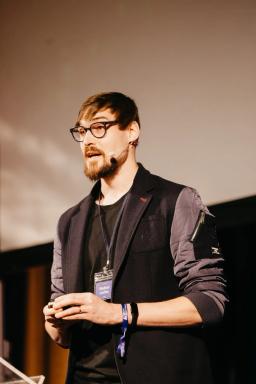
Podcast Episode 159
Massimo Mazzone: Liberty Without Libertarians
Massimo Mazzone, founder of Ciudad Morazán, on why you don't need libertarians to build a libertarian society and the growth of Free Cities.
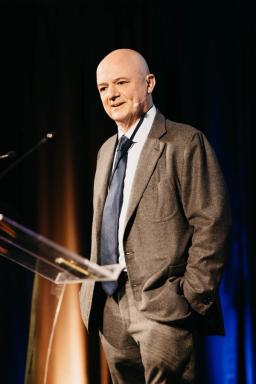
Podcast Episode 158
Trey Goff: Próspera, Perception, and Post-Scarcity
Trey Goff, chief of staff at Próspera, on the city's real model, pushing back on conspiracy theories, and a legal framework for AI agents.
Podcast Episode 139
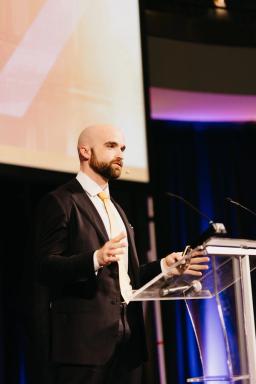
Niklas Anzinger: Inside Próspera – A Longtime Resident’s View
Entrepreneur Niklas Anzinger on life inside Próspera, answering critics, building community trust and scaling the Honduran Free City project.






Projects
Special JurisdictionOperational
Ciudad Morazán
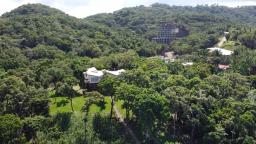
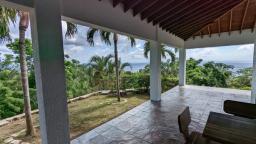
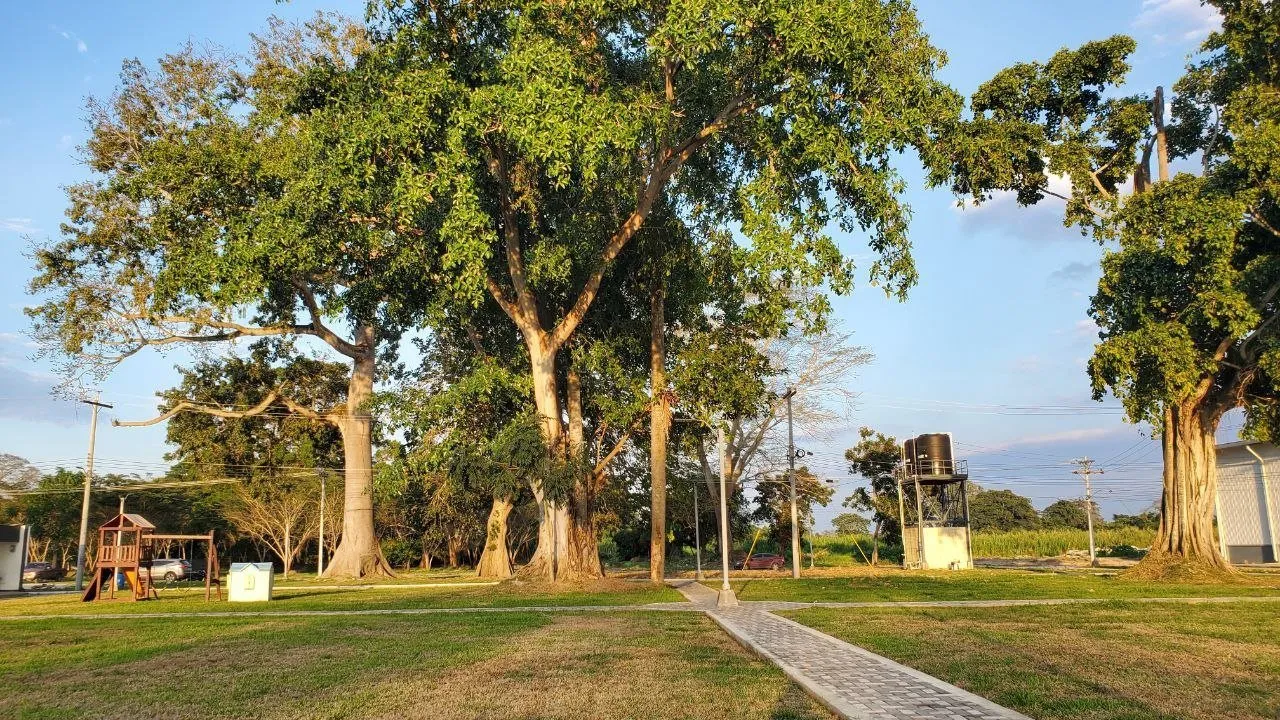
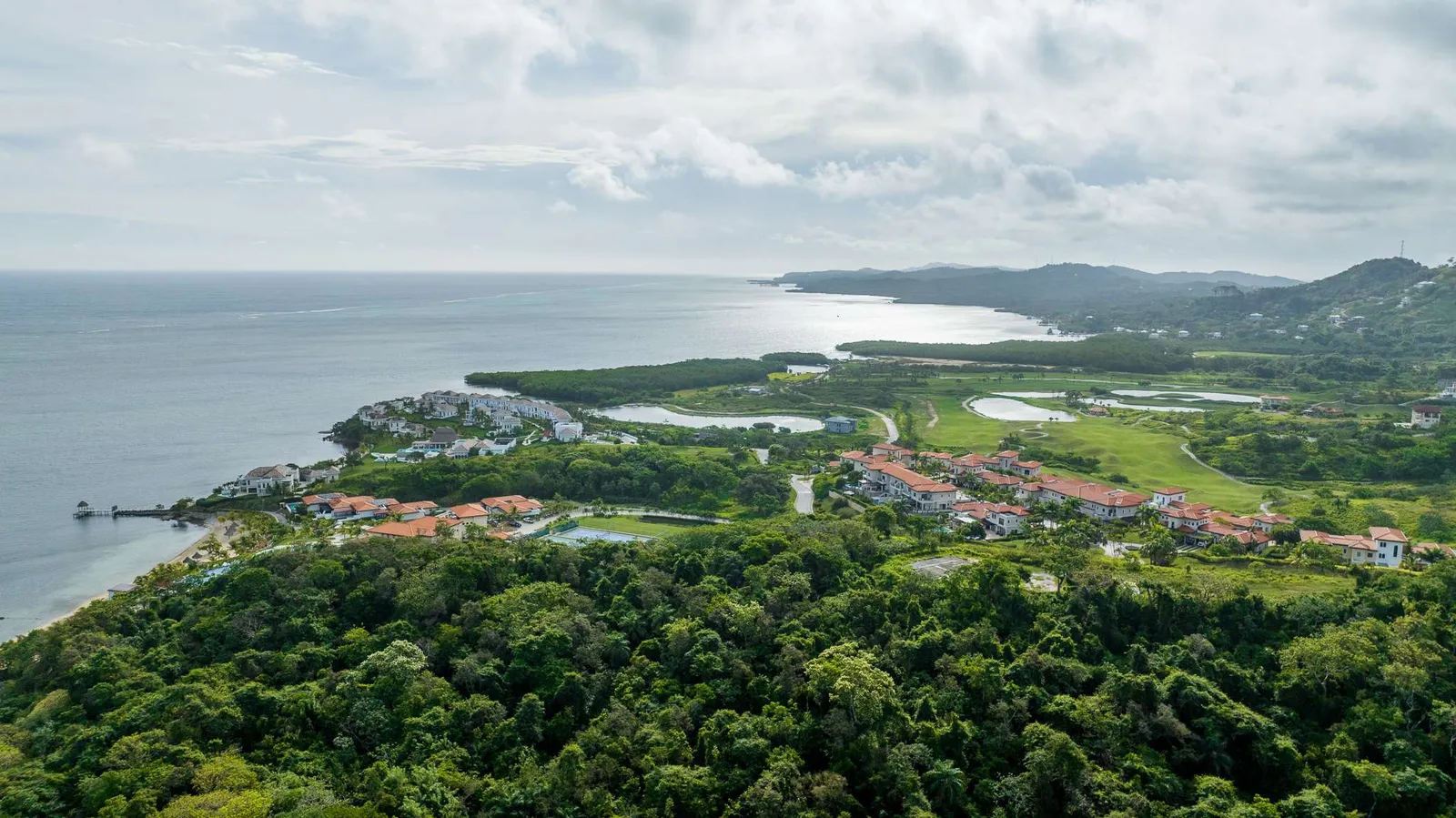
Ciudad Morazán is a special economic zone on the outskirts of Choloma in northern Honduras: a walled, rental-only town and industrial park built under the ZEDE law for working- and middle-class Hondurans.
Honduras 200–500 residents
Special JurisdictionOperational
Próspera
Próspera is a special economic zone on the island of Roatán, Honduras, created under the country’s ZEDE law: a jurisdiction with its own civil and commercial rules, tax code and arbitration, built to attract entrepreneurs and new industries.
Honduras 200–500 residents
In the media
ABC News (Australia)
Inside Próspera, the libertarian utopia on a Caribbean island off the coast of Honduras
Atlantic Council
One month in, can Honduras' new president put the country on the path to lasting economic gains?
The Generalist
How Do You Build a New Singapore? Inside Próspera's Bet on Private Governance
Spear's
Inside the libertarian charter city of Próspera
Bloomberg
Próspera, Honduras' Libertarian Island Dream, Becomes $11 Billion Nightmare
Reason
No More Special Little Freedom Zones
The New York Times Magazine
The For-Profit City That Might Come Crashing Down
Reason
A Private Libertarian City in Honduras
Rest of World
Crypto-libertarian paradise, Próspera, just lost its battle with Honduras
Reason
Honduras Ends Its Experiment With Charter Cities
 Español
 Deutsch
 Português
 Italiano
 Русский