

About the project
Ciudad Morazán is a special economic zone on the outskirts of Choloma in northern Honduras: a walled, rental-only town and industrial park built under the ZEDE law for working- and middle-class Hondurans.
What Ciudad Morazán is
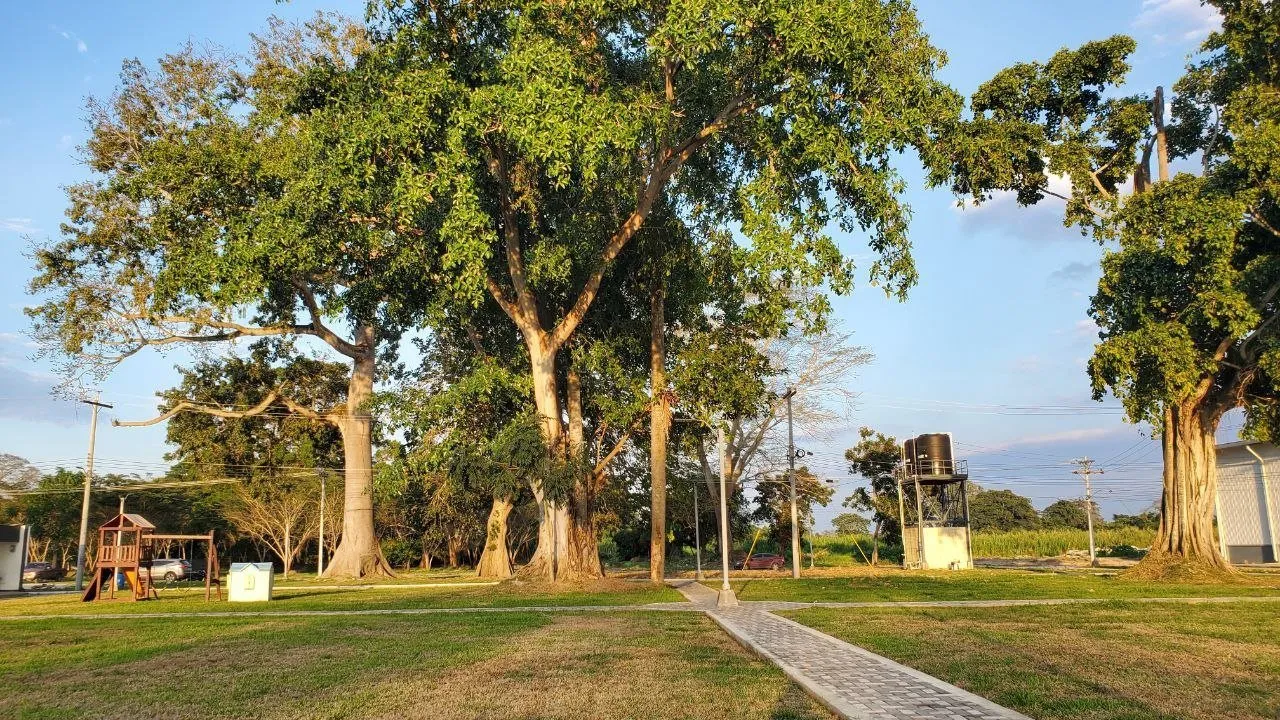
Ciudad Morazán is one of Honduras’s three Zones for Employment and Economic Development (ZEDEs), and the one built for ordinary Hondurans. It is a complete community planned on 24 enclosed hectares: housing, an industrial area, commercial space, parks, churches and schools, laid out to grow gradually towards a population of about 10,000 and some three thousand jobs. Its developer calls it a blue-collar Free City, and its tenants are overwhelmingly Honduran families who work in the surrounding manufacturing region.
It was developed by Massimo Mazzone, an entrepreneur based in Honduras for some twenty years, whose holding company Centro American Consulting & Capital runs pharmacy and consumer businesses across Central America.
Where Ciudad Morazán is
The town lies on the outskirts of Choloma in the department of Cortés, Honduras’s third-largest city and the centre of its maquila manufacturing belt, between the port of Puerto Cortés to the north and San Pedro Sula to the south. Puerto Cortés, the country’s largest port, San Pedro Sula’s international airport and the main bus terminal are all within an hour’s drive, which is much of the reason the site was chosen.
How Ciudad Morazán is governed
As a ZEDE, Ciudad Morazán sets its own fiscal and regulatory rules within the Honduran constitution, criminal law and international treaties. Rather than importing a foreign legal code, it adopted a simplified version of the Honduran Civil Code, and its statutes on tax, labour, the environment, policing and dispute resolution must be approved by CAMP, the national committee that oversees the zones. Its highest authority is the Technical Secretary, a Honduran official whose role combines those of a mayor and a municipal council; residents vote on community matters, and the project intends that residents and landowners will hold the large majority of votes as the town matures.
Taxes and rules
The zone levies a single income tax of 5 percent, paid to the ZEDE, which passes 12 percent of its revenue to national agencies. Its minimum wage is set 10 percent above the national minimum, a business can be registered in a day for a nominal fee, and the zone has its own customs authority allowing duty-free imports and exports. Disputes are steered towards third-party arbitration. Security is provided privately inside a walled perimeter with a visitor-management system; anyone who commits a crime is handed to the national police, and tenants who break the community’s rules lose their lease.
Living in Ciudad Morazán
Everything in the town is rented, never sold, on what its developer calls the Entrecomm model. Any Honduran citizen, or a foreigner legally resident in Honduras, can lease a home or business premises, and rents include security, maintenance and the town’s services. The first phase consists of 64 townhouses, a second row of 44, and an apartment building of about seventy units; a bilingual private school opened beside the football pitch, its fees subsidised for families who cannot pay them, and a central park, minimarkets, a café, a laundry, a gym and restaurants have followed. The rental model keeps the town answerable to its residents: a landlord who wants tenants has to keep the streets safe and the services working.
How Ciudad Morazán came about
Honduras created the ZEDE framework by constitutional amendment in 2012 and organic law in 2013. Ciudad Morazán was approved as the country’s second ZEDE in December 2018, adopted its charter and bylaws in 2020 with advice from the Charter Cities Institute, and welcomed its first residents in 2021, the year it became cash-flow positive.
Legal status
Congress voted to repeal the ZEDE law in 2022, and the Supreme Court declared the ZEDE constitutional amendments unconstitutional in September 2024. The zones continue to operate: the repeal of the constitutional articles was never ratified by a following legislature as the constitution requires, and the ZEDEs hold fifty-year legal-stability agreements and treaty protections. Ciudad Morazán has kept building throughout.
Articles
Blog35 min read
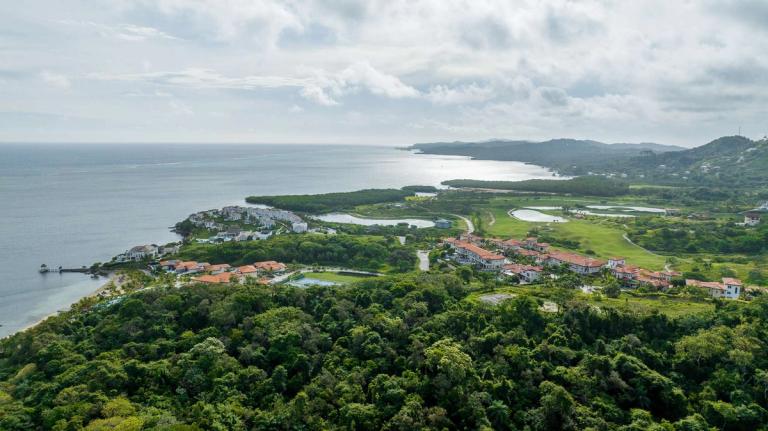
Honduran ZEDEs: Their Past and Future
The ZEDE law in Honduras was repealed in April 2022 and with it, one chapter of the history of innovative governance has come to an end.
 Hynek Fencl · Free Cities Foundation
News4 min read
Free Cities News & Updates – December 2024
As 2024 draws to a close, we reflect on a year defined by both exciting progress and notable challenges. From the establishment of new Free City projects to the continued growth of our conference, the momentum has been inspiring.
 Free Cities Foundation Team
News7 min read
Responding to Media Claims about Our Foundation
Blog6 min read
Honduras Election, Grokipedia, Sark & What’s Ahead
35 min read
As ZEDEs de Honduras: Passado e Futuro
A Lei Orgânica das ZEDEs foi revogada em abril de 2022. Três anos depois, a batalha judicial entre as zonas e o governo hondurenho continua aberta.
38 min read
Las ZEDEs de Honduras: Pasado y Futuro
La Ley Orgánica de las ZEDEs fue derogada en abril de 2022. Tres años después, la batalla legal entre las zonas y el gobierno hondureño sigue abierta.
25 min read
Die ZEDEs in Honduras: Vergangenheit und Zukunft
Das ZEDE-Gesetz in Honduras wurde im April 2022 aufgehoben. Drei Jahre später ist der Rechtsstreit zwischen den Zonen und der Regierung weiter offen.
3 min read
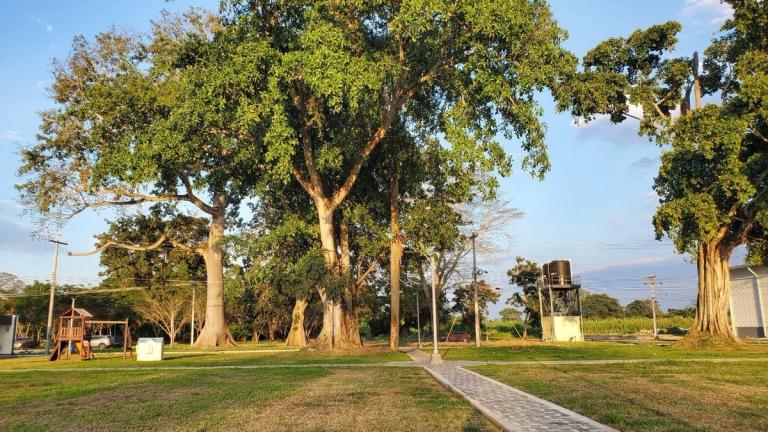
Do You Need Libertarians for a Libertarian Community?
Libertarians are often misunderstood. Some see them as malcontents seeking personal freedom to indulge in vices, while others assume they want a society with no rules or no regard for others. In reality, libertarianism encompasses a diverse range of people, only united by shared values like individual liberty, minimal government intervention, property rights, and voluntary exchange.
5 min read
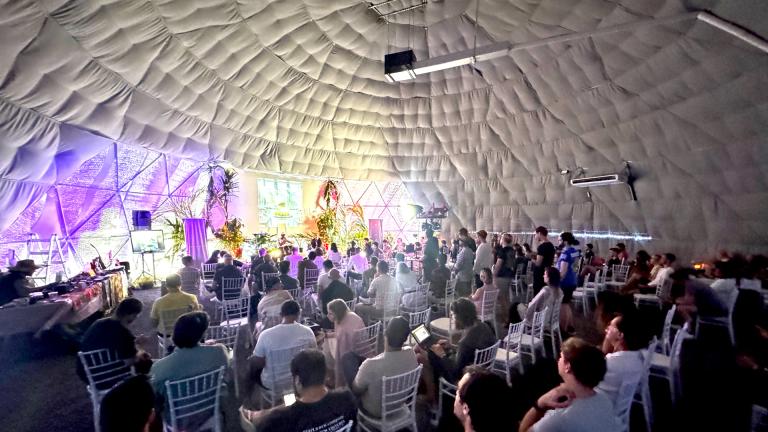
Free Cities at Vitalia 2024
Vitalia 2024 is a pop-up city hosted by the ZEDE Próspera on the island of Roatan off the coast of Honduras. Pop-up cities are temporary communities that bring together innovators from various industries to learn and share ideas and projects. They combine speeches, panel discussions, networking, and co-working to connect leading thinkers from around the world.
4 min read
Honduran Free Cities vs. Rogue Government
Two of the most autonomous Free Cities in the world are Próspera and Ciudad Morazán in Honduras. As Zones of Employment and Economic Development (called ZEDEs for their Spanish acronym), they have faced fierce opposition from the new Honduran government for the last two years. While this is nothing new, the propaganda against the ZEDEs has increased dramatically in the last few weeks.
5 min read
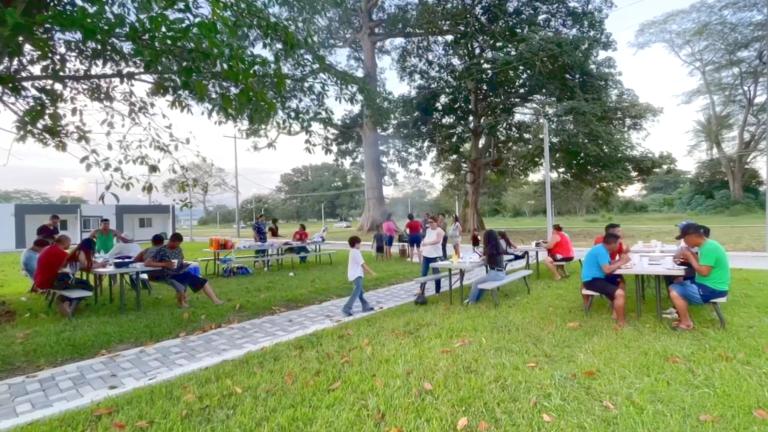
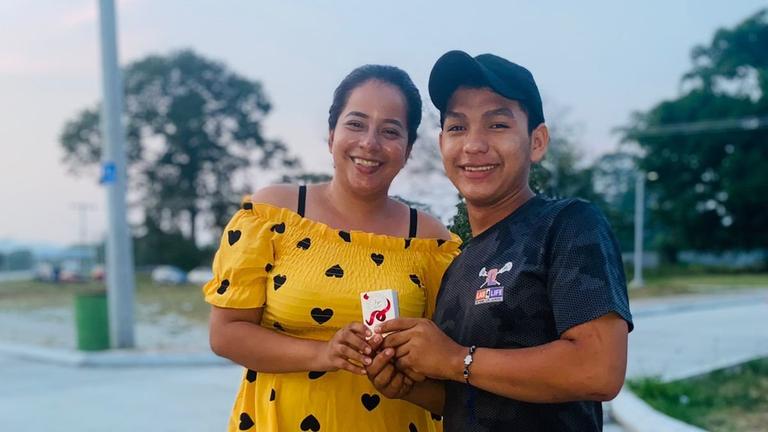
Ciudad Morazán Makes a Difference in the Life of Even the Least Fortunate
Anthoni Lopez was born in Choluteca, Honduras, in August 2007. He lived with his mother, father, one brother, and two sisters until he was seven years old when his parents divorced. Anthoni’s father kept his brother and one of his sisters, but his mother took him and his sister, Paola, to faraway Choloma, the industrial hub of Honduras, where she got a job in a textile factory. They lived in the dangerous neighborhood of San Miguel, and 14-year-old Paola cared for him while their mother worked.
2 min read
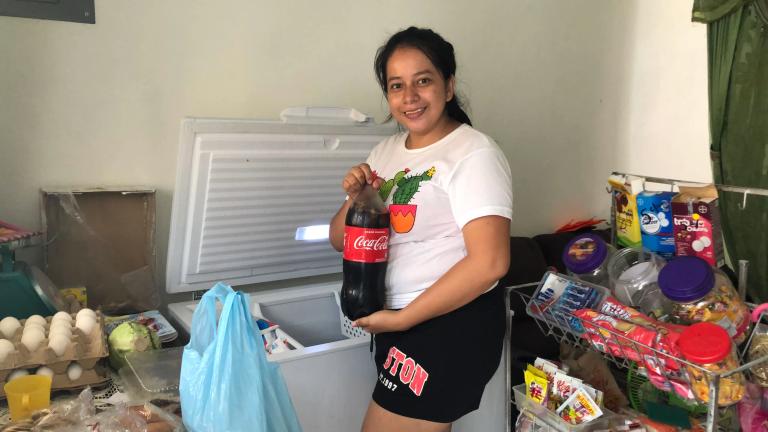
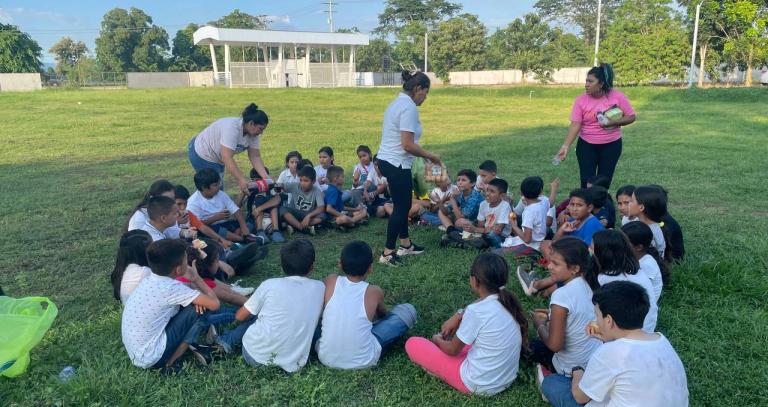
The Story of Tienda Juliette: A Crypto-Friendly Minimarket in Honduras’ Free City
Despite the political uncertainty surrounding the fate of the ZEDEs, Hondurans still see Morazán as an opportunity to better their lives. That’s why residents continue to move in and businesses continue to form. A recently started enterprise is Tienda Juliette, a family-run pulpería or minimarket.
Videos
Free Cities Foundation
Free Cities Conference 2025
Free Cities Conference 2025
Free Cities Online Summit 2025
Free Cities Online Summit 2025
Liberty in Our Lifetime 2024



Podcast episodes
Podcast Episode 159
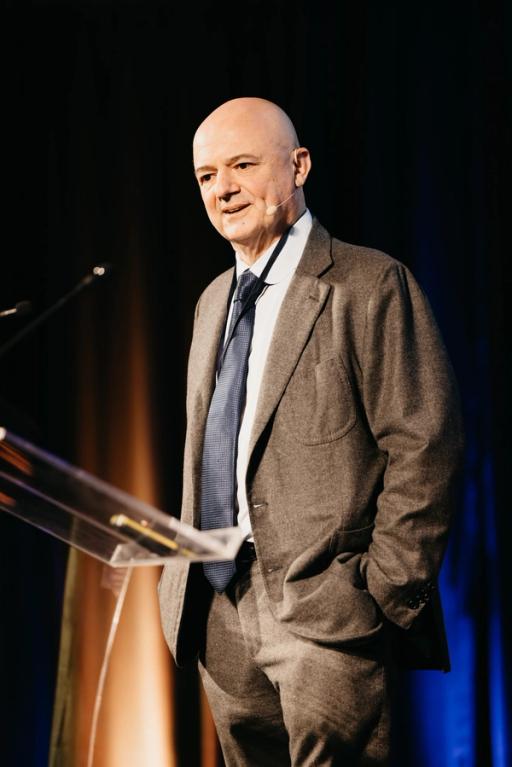
Massimo Mazzone: Liberty Without Libertarians
Massimo Mazzone, founder of Ciudad Morazán, on why you don't need libertarians to build a libertarian society and the growth of Free Cities.


Podcast Episode 109
Alex Ugorji: Life in a Honduran Free City Under Threat
Alex Ugorji, an early Ciudad Morazán resident, on life in a Honduran ZEDE and the legal threat after the repeal of the ZEDE law.

Podcast Episode 64
Massimo Mazzone: Ciudad Morazán. The Blue-Collar Free City.
Entrepreneur Massimo Mazzone on building Ciudad Morazán, Honduras's blue-collar Free City under ZEDE law, and its current legal battles.
Podcast Episode 45
Patrick Lamson-Hall & Nuria Forques: Designing a Free City from Scratch
City planners Patrick Lamson-Hall and Nuria Forques on designing the Honduran ZEDE of Ciudad Morazán, Próspera's blue-collar neighbour.

Questions
Where is Ciudad Morazán?
On the outskirts of Choloma in the department of Cortés, northern Honduras, between the port of Puerto Cortés and San Pedro Sula. The port, San Pedro Sula’s international airport and the main bus terminal are all within an hour.
What is Ciudad Morazán?
A ZEDE, one of Honduras’s three special jurisdictions with their own fiscal and regulatory rules: a walled, rental-only town and industrial park on 24 hectares, planned to grow to about 10,000 residents.
Who is Ciudad Morazán for?
Working- and middle-class Hondurans, not international investors. That is the deliberate difference from its better-known counterparts: it is a blue-collar Free City, and its design answers problems common in the region such as insecurity, weak public services and patchy infrastructure.
How many ZEDEs are there in Honduras?
Three, all approved under the ZEDE law of 2013, and two of them are places where people live: Ciudad Morazán outside Choloma in the industrial north and Próspera on the island of Roatán.
Can you buy a home in Ciudad Morazán?
No. The town follows a rental model: homes and commercial premises are leased rather than sold, and rents include security, maintenance and services.
Is Ciudad Morazán part of Honduras?
Yes. As a ZEDE it sets its own fiscal and regulatory rules in exchange for a share of its tax revenue, but it remains part of Honduras and bound by the national constitution and criminal law.
How much does it cost to live in Ciudad Morazán?
Rents are set for factory wages: a 60 m² townhouse lets for a few thousand lempiras a month with services included, and the new apartments are cheaper still. The town publishes current rents on its own site.