
Special Economic Zones
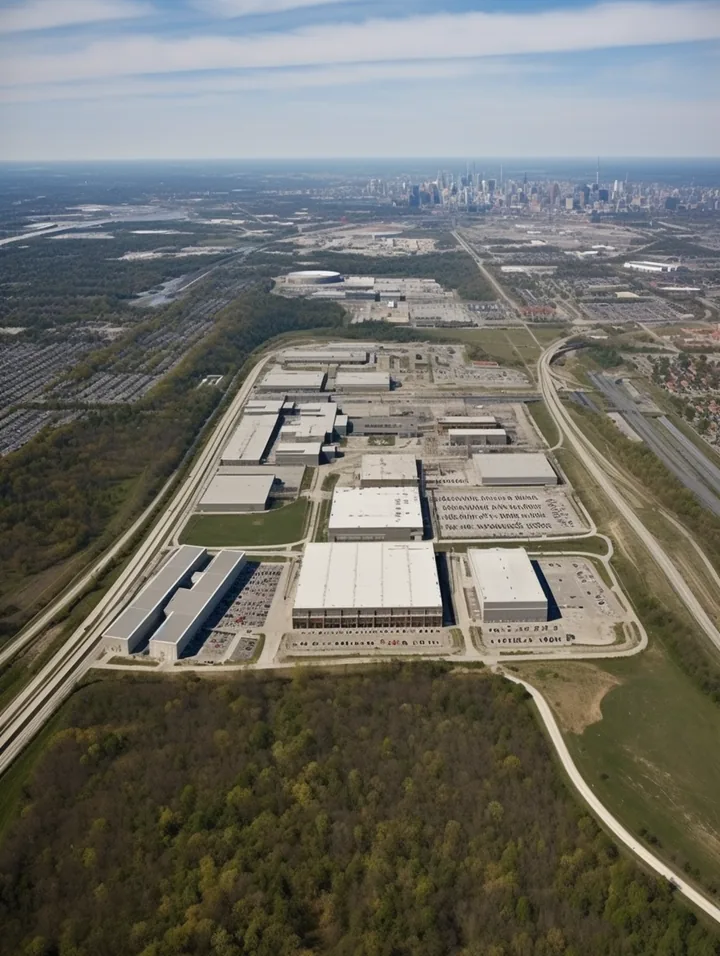
Special Economic Zones (SEZs) are areas within nation-states where different rules and regulations apply in some areas. These zones are usually tailored toward business, manufacturing, or enabling easy imports and exports. Since the mid-20th century, they have become a popular choice for governments to boost regional economic growth without the need for country-wide changes or controversial reforms.
While SEZs usually feature lower business taxes, exemptions from tariffs and other fees, and a simplified pro-business regulatory environment, they typically do not have regulatory autonomy. This means that while they are free to manage their own internal affairs to some extent, they cannot choose the regulations that will apply within them and are governed by pre-set legislation established by the national government.
There are now perhaps over six thousand SEZs worldwide, depending on the exact definition. Though they are self-governing to some extent and are in some respects freer than the rest of their nation-state, they either have little to no population, or the concessions within them are limited to businesses. While SEZs are in one way a precursor to some modern-day Free Cities, they cannot really be described as Free Cities themselves.
Also covers: SEZ · Special Economic Zone · Free Trade Zone · Free Zone · Export Processing Zone
One of the models under the Free Cities umbrella.
Articles
Blog9 min read
Why The EU Needs Special Economic Zones to Unlock Its Digital Future
Disclaimer: The following article was written by an external author. The opinions expressed in it do not necessarily reflect the opinions of the Foundation or its members.
 Mariana Carmona
Blog4 min read
The World Needs More Free Cities (The Economic Argument)
Though we live in the world of nation-states today, this was not always the case. In fact, the modern nation-state is a fairly recent invention. For most of recorded history, the world was ruled by a slew of differently structured powers and systems. One of those models, surprisingly common throughout all this time, was the city-state.
 Hynek Fencl · Free Cities Foundation
Blog17 min read
The Future of the Market of Living Together
To understand how the future might look, we need to understand the past. Specifically, we must understand the past as it is unfolding into the present and the future. In that vein, we begin this analysis looking to understand a few of the historical trends in governance. In the end, we will conclude by putting forth a future state of governance provision that we believe logically follows from what we have observed in the past.
 Alex Voss · Free Cities Foundation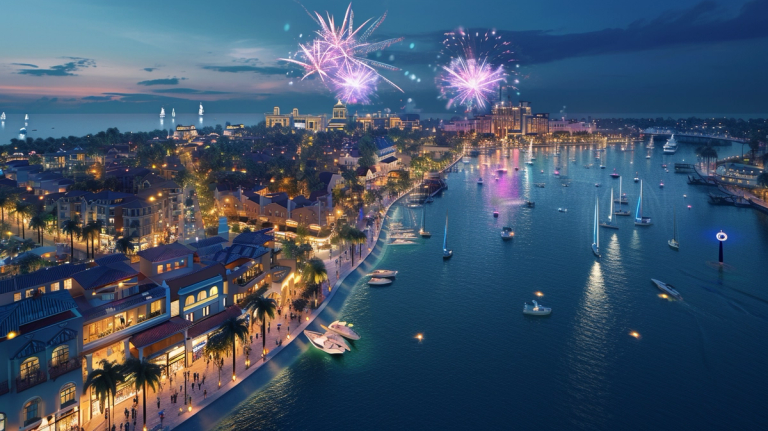
Blog6 min read
Conflicted Appreciation: “Crack-Up Capitalism” Book Review
Crack-Up Capitalism, by Canadian historian Quinn Slobodian, takes you on a journey through the history of projects and experiments often related to the Free Cities movement. It delves into attempts at winning autonomy from existing states or even establishing completely new sovereign entities. From Sealand to Somalia to Honduran ZEDEs, the book spans a worldwide array of initiatives, not just current ones but going back over half a century.
Hynek Fencl · Free Cities Foundation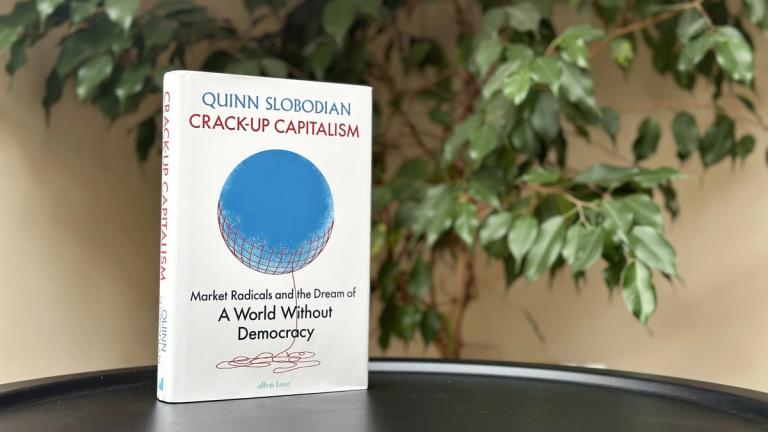
Videos
Free Cities Conference 2025
Free Cities Conference 2025
Free Cities Online Summit 2025
Liberty in Our Lifetime 2024
Liberty in Our Lifetime 2024
Free Cities Foundation






Podcast episodes
Podcast Episode 193
Mark Frazier: Fifty Years of Watching It Go Wrong
Mark Frazier was made publisher of Reason magazine in 1970, at eighteen, when it had three hundred subscribers and was produced in the founder’s apartment…

Podcast Episode 171
Lotta Moberg: The Truth About Special Economic Zones
Economist Lotta Moberg on what the world gets wrong about special economic zones, why private ones outperform, and the case for governance by contract.

Podcast Episode 115
Vera Kichanova: Lessons From Odessa
FCF economist Vera Kichanova on Odessa as a historical model for Free Cities and Special Economic Zones, and why such models are rare today.

Podcast Episode 79
Krysta Fox: Free Zones. Past, Present & Future
Krysta Fox, former director of Dubai's DMCC, on what makes free zones thrive and the past, present and future of special economic zones.

Podcast Episode 76
Andreas Baumgartner: Integrated Autonomous Cities & The Evolution of SEZs
Andreas Baumgartner on the evolution of special economic zones into integrated autonomous cities and why autonomy is a tool for growth.

Podcast Episode 73
Peter Young: Special Economic Zones, Autonomy and the Future of Free Cities
Peter Young of the Free Cities Foundation gives a 101 on special economic zones, free zones in Dubai and the future of autonomous cities.

Podcast Episode 32
Andreas Baumgartner: Negotiating With Governments, Lifestyle Zones & Digital Nomadism
Andreas Baumgartner on negotiating with host governments to build Special Economic Zones and semi-autonomous jurisdictions.


In the media
TechCabal
Inside Itana, Nigeria's first digital free zone
Catalyst (Independent Institute)
Are American Cities Ready for Special Economic Zones?
Achgut
 Deutsch
Eine neues Hongkong in Afrika (2)
Achgut
DeutschNeue Ideen für Afrika: Sonderzonen statt Dead Aid
Prometheus Institut
DeutschEuropa entwickeln mit Sonderzonen