
Micronations
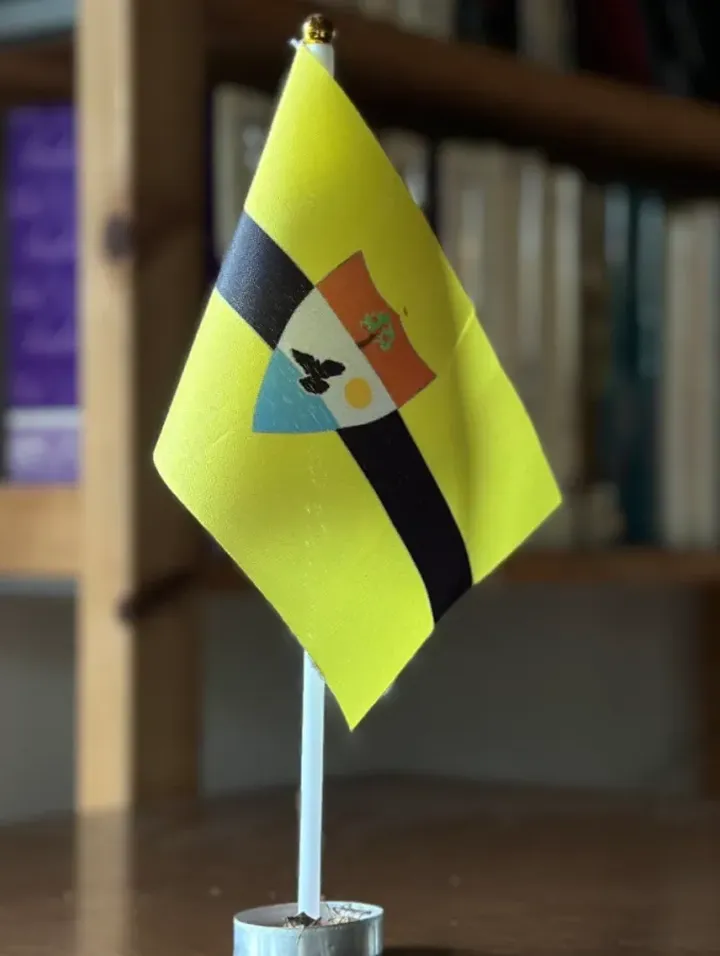
Micronations are entities that declare themselves independent states. They claim a defined territory, adopt the institutions and symbols of statehood (constitutions, flags, passports, stamps and currencies) and conduct themselves as sovereign countries. What separates them from recognised states is that established governments and international bodies do not acknowledge their claims. What separates the serious ones from mere fantasy is that they back their claims with legal argument, physical presence and a real community of citizens.
Micronations sit at the radical end of the Free Cities spectrum. Rather than negotiating autonomy within a host state, they assert full sovereignty from the outset and then work toward recognition, population and a functioning economy. Those that aim to build self-governing communities upholding individual rights and freedoms are natural allies of the Free Cities movement, and the questions they raise about sovereignty, recognition and the right to start a new country run through the entire field.
Also covers: Micronation · Self-proclaimed State · Terra Nullius · New Country
One of the models under the Free Cities umbrella.
Articles
Blog19 min read
The Dawn of Liberland
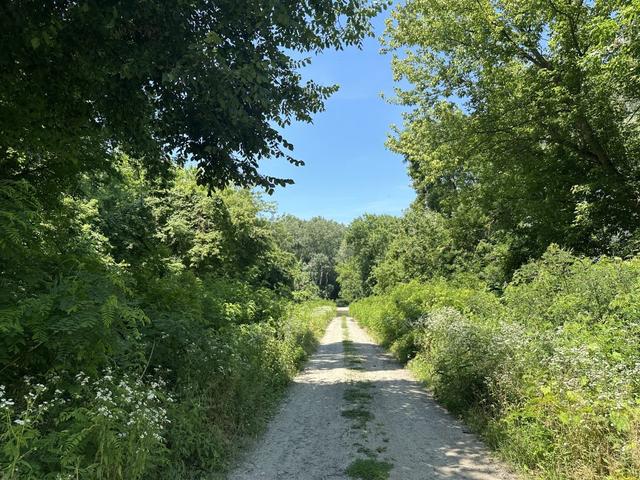
The way to Liberland is easy but not simple. Technically speaking, it’s just a short bike ride away from the nearest village on a comfortable bike path through a stunning forest known as the “Amazon of Europe”.
 Hynek Fencl · Free Cities Foundation
Blog4 min read
Panagua: A New City-State Project at the Danube
Disclaimer: The following article was written by an external author. The opinions expressed in it do not necessarily reflect the opinions of the Foundation or its members.
 Jan-Olav Spiekermann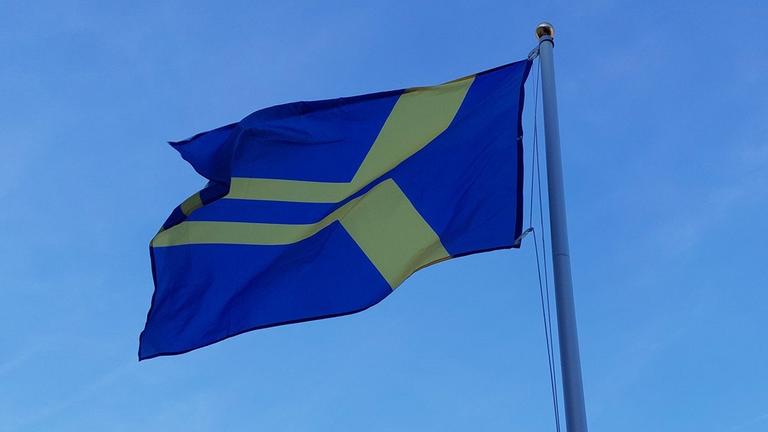
Videos
Free Cities Conference 2025
Free Cities Conference 2025
Liberty in Our Lifetime 2024
Liberty in Our Lifetime 2023
Liberty in Our Lifetime 2021
Michal Ptáčník
Podcast episodes
Podcast Episode 197
Dominic Frisby: They’ll Blame You When It Fails
Dominic Frisby doubts fiat ends in hyperinflation. He expects decades of quiet debasement, and thinks gold and Bitcoin holders get the blame.

Podcast Episode 179
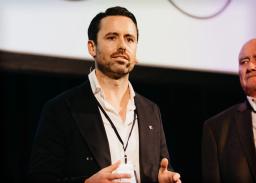
Liam Bates: Make Sealand Great Again
Liam Bates on the true story of Sealand, the North Sea micronation, its 1978 coup, and plans to revive it through eCitizenship and a DAO.
Podcast Episode 152
Thomas D. Walls: Diplomacy By Example
Thomas D. Walls, Liberland's foreign minister, on diplomacy by example, talks with Croatia and Serbia, and building a global libertarian community.
Podcast Episode 149
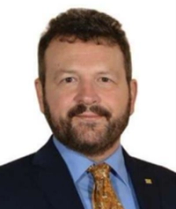
Vít Jedlička: Liberland’s Path to Prosperity
Liberland president Vít Jedlička on building Liberty Island, the constitution as a smart contract, voluntary taxation and international recognition.

Podcast Episode 88
Thomas D. Walls: Liberland’s Minister of Foreign Affairs
Liberland Foreign Minister Thomas D. Walls on the micronation's government, diplomacy and his predictions for the project's future.

Podcast Episode 82
Hynek Fencl: Liberland Insights, Free City Proposals & The Limitations of Democracy
Free Cities Foundation's Hynek Fencl on Liberland, identifying sites for Free City projects with Tipolis and the limits of democracy.

Podcast Episode 58
Vít Jedlička: Starting a New Country in Europe
Vít Jedlička on founding the Free Republic of Liberland, the micronation he started in 2015 on disputed land between Croatia and Serbia.
Projects
Sovereign TerritoryComplicated
Liberland
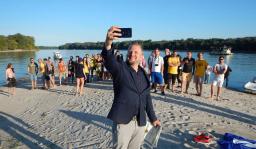
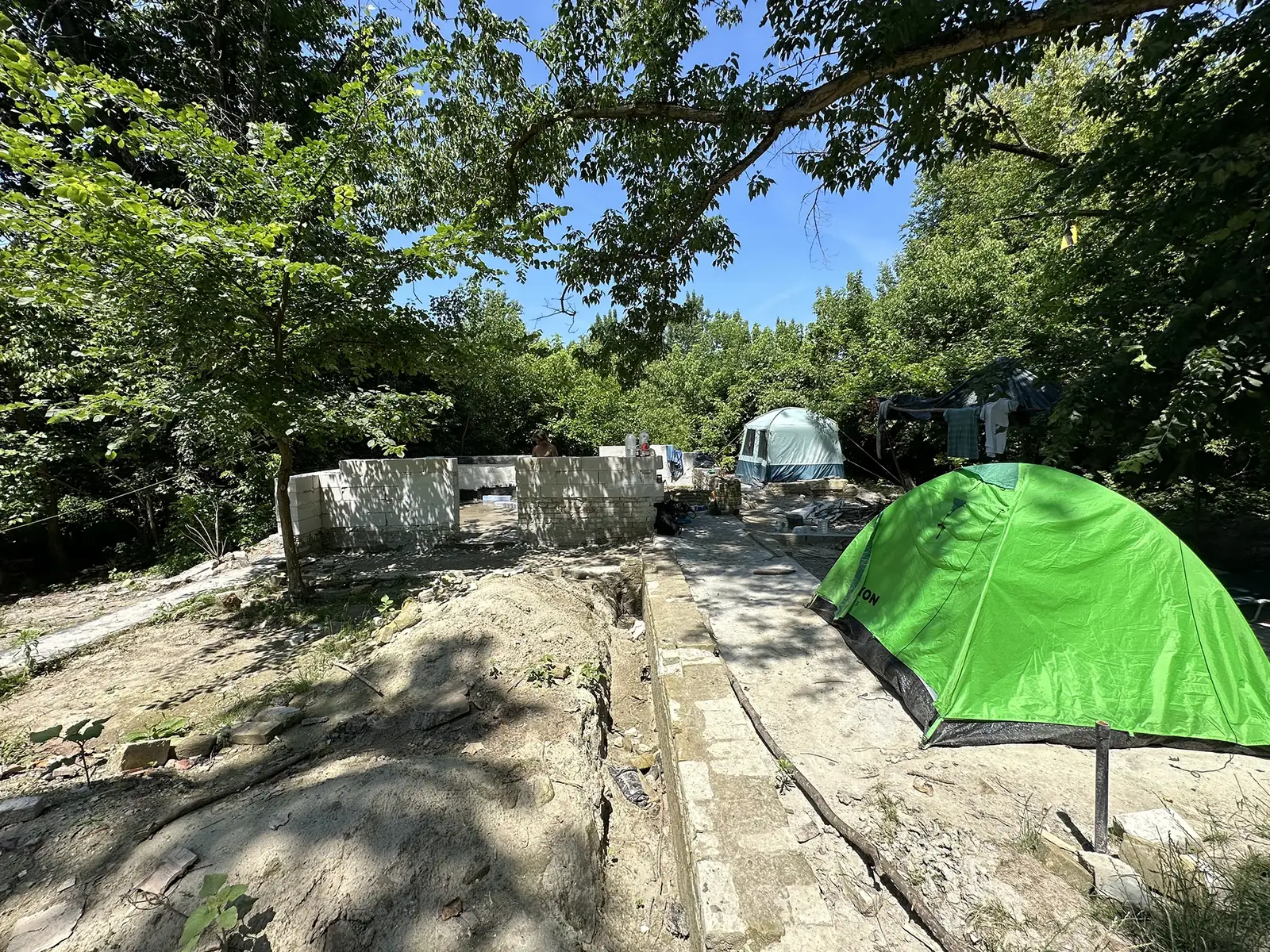
Liberland is a self-declared micronation on a seven-square-kilometre parcel of Danube floodplain between Croatia and Serbia, proclaimed in 2015 on land that neither neighbour administers and run on libertarian principles.
Croatia / Serbia No permanent residents
Sovereign TerritoryOperational
Principality of Sealand
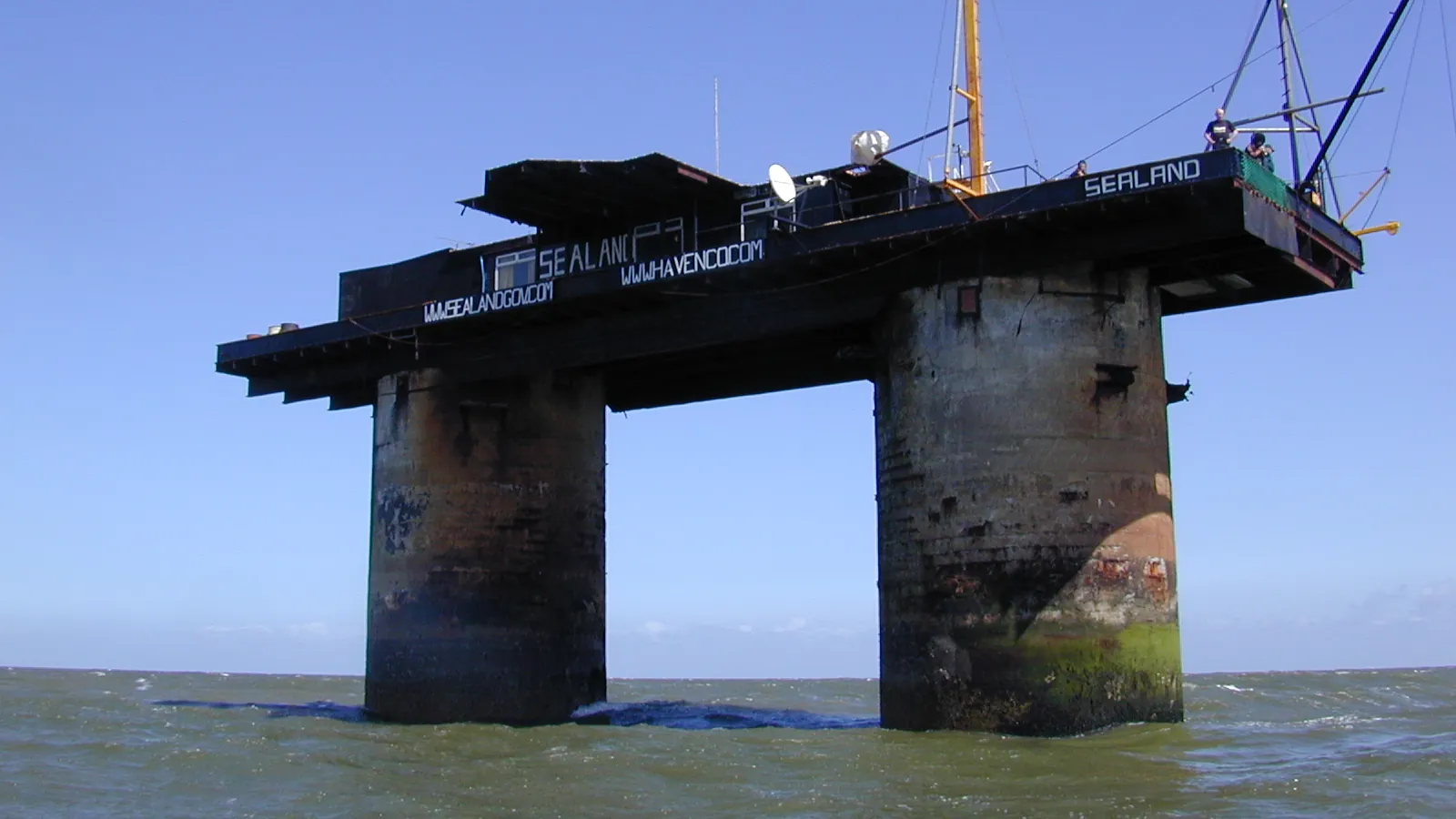
The Principality of Sealand is a self-declared micronation on HM Fort Roughs, a Second World War naval platform in the North Sea off the coast of England, founded in 1967 by Paddy Roy Bates and run since as a hereditary principality by his family.
United Kingdom Under 5 residents
The concept
The best-known micronations arise from gaps in the international order. The Principality of Sealand was proclaimed in 1967 on a wartime naval platform that stood beyond Britain’s territorial waters at the time. Liberland was proclaimed in 2015 on a pocket of land along the Danube that neither Croatia nor Serbia formally claims, treated by its founders as terra nullius, land belonging to no state. In both cases the founders identified a space no existing state had filled and moved to fill it with a new jurisdiction.
Micronations should not be confused with microstates such as Monaco, Liechtenstein or San Marino, which are small but fully recognised sovereign countries. Nor is every micronation a Free City in the making. Many are artistic statements, protests or hobbies, with no ambition to host a real community, and these fall outside the Free Cities banner.
The micronations that matter to this movement are the ones that treat statehood as a serious project: places whose founders want a permanent population living under institutions explicitly built to protect individual rights and freedoms. For them, a micronation is the most direct route to a Free City that exists, skipping the host state entirely. The price of that directness is the hardest problem in the field, gaining acceptance from a world of existing states. Whether through endurance, diplomacy or the slow accumulation of facts on the ground, every micronation is running the same experiment: how much statehood can you build before the world agrees that you have built a state?