
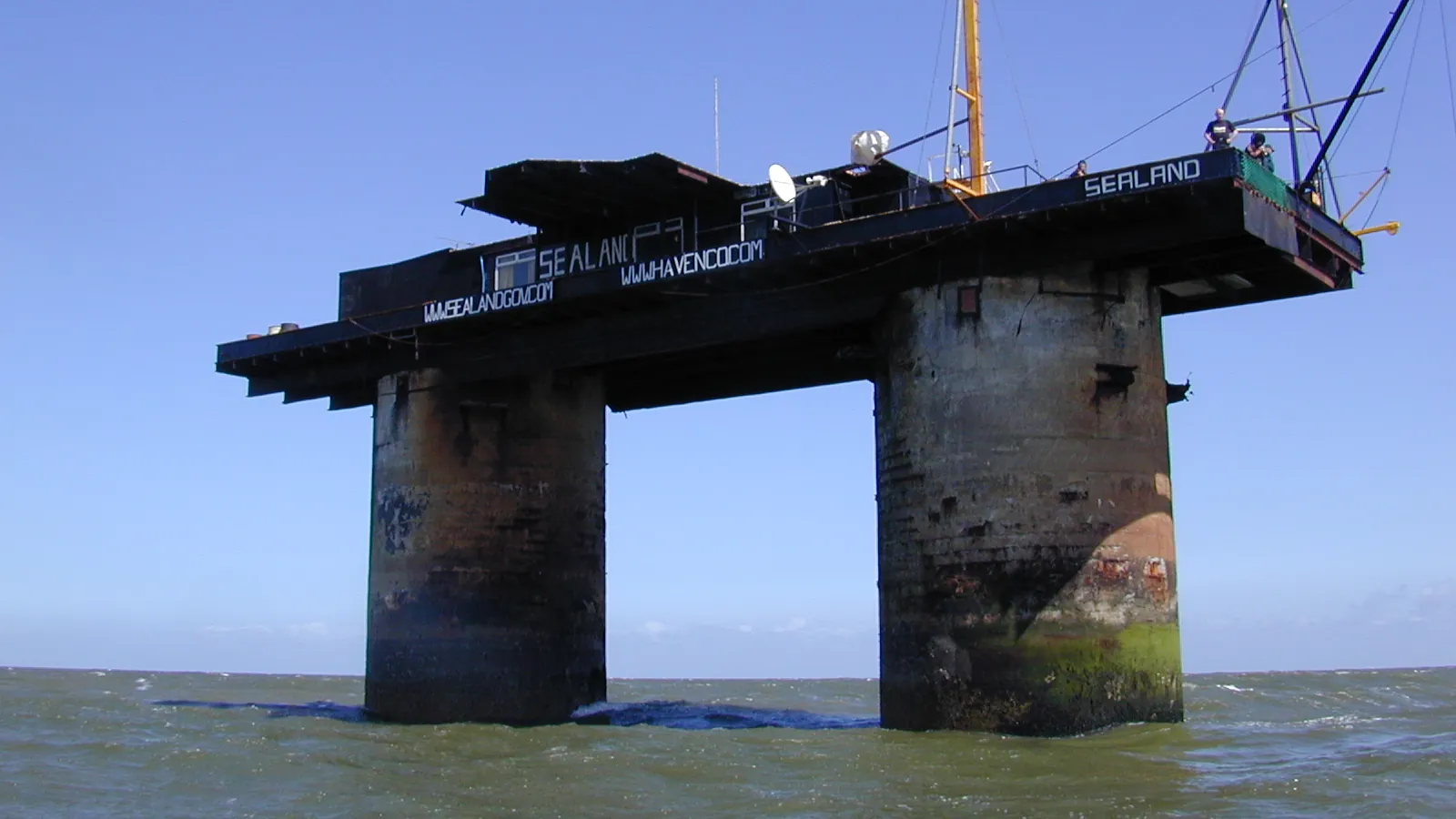
The Principality of Sealand is a self-declared micronation on HM Fort Roughs, a Second World War naval platform in the North Sea off the coast of England, founded in 1967 by Paddy Roy Bates and run since as a hereditary principality by his family.
What Sealand is
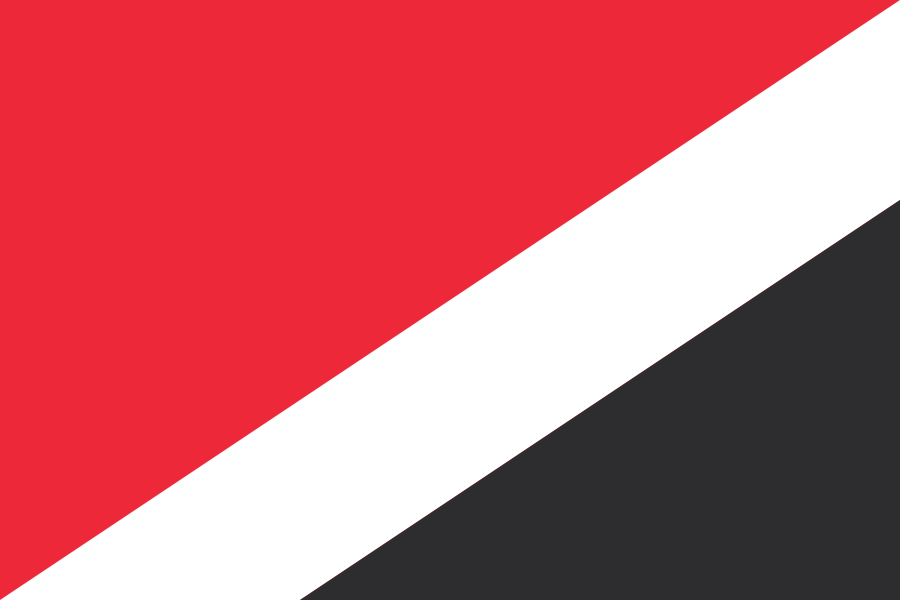
Sealand is the world’s best-known micronation: a former Maunsell sea fort, two concrete towers carrying a steel deck, that Paddy Roy Bates, a former British Army major and pirate-radio broadcaster, occupied and declared an independent principality on 2 September 1967. It has a constitution, a flag, a national motto, E Mare Libertas (“From the Sea, Freedom”), stamps and coins, and a nobility whose titles the family confers on supporters around the world. No state recognises it, and it appears in international-law teaching as a standard test case for what makes a state.
Where Sealand is
The platform stands on Rough Sands, a sandbank in the North Sea about eleven kilometres off the Suffolk coast and thirteen off Essex. When it was built in 1942, and when Bates took it, the site lay outside Britain’s then three-mile territorial waters; the United Kingdom extended its waters to twelve miles in 1987, which placed the fort inside them.
How Sealand works
Sealand is run as a hereditary principality by the Bates family. Roy Bates was succeeded on his death in 2012 by his son Michael, who had acted as regent since 1999 and who lives in Essex; a caretaker keeps the fort itself occupied. Its legal claim rests on a 1968 case heard at Chelmsford, Regina v. Bates, in which the court held that an incident on the platform lay outside English jurisdiction because the fort was beyond territorial waters at the time. The principality sustains itself by conferring titles of nobility on supporters, once briefly hosted an offshore data centre, and repelled an attempted takeover in 1978 by helicopter. Passports were issued from 1975 until the family revoked them all in 1997 after forgeries surfaced abroad.
From our coverage
Podcast Episode 179
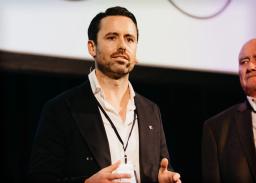
Liam Bates: Make Sealand Great Again
Liam Bates on the true story of Sealand, the North Sea micronation, its 1978 coup, and plans to revive it through eCitizenship and a DAO.
VideoFree Cities Conference 2025
What people ask
Where is Sealand?
On Rough Sands, a sandbank in the North Sea about eleven kilometres off the coast of Suffolk, England, on a Second World War naval fort.
Is Sealand a country?
No recognised state acknowledges it. Its claim rests on a 1968 English court ruling that the fort lay outside British jurisdiction at the time, and on the fact that it stood outside territorial waters until Britain extended them in 1987.
Who is the Prince of Sealand?
Michael Bates, son of the founder Roy Bates. He has held the title since his father’s death in 2012, having served as regent from 1999. Sealand’s head of state is styled Prince rather than king or president, the title passes within the Bates family, and the family lives in Essex while a caretaker keeps the platform occupied.
How many people live in Sealand?
A caretaker lives on the platform; the Bates family lives in Essex. Sealand counts its supporters and title-holders around the world rather than a resident population.
Can you get a Sealand passport?
No. Sealand issued passports from 1975 but withdrew them all in 1997; the principality offers titles of nobility and an e-citizenship instead.