History of Free Cities
The idea of the Free City is old. Long before the age of nation-states, self-governing cities (the Hanseatic League, the Italian city-states, the free imperial cities) were engines of trade, law and liberty.
They also lost. Venice fell to Napoleon in 1797, and between the great reorganisation of the Holy Roman Empire in 1803 and the annexation of Frankfurt in 1866 the free imperial cities went from about fifty to a remnant of three. Why the territorial state beat the self-governing city is a more useful question for this movement than any amount of admiration for the cities themselves.
This topic traces that lineage and the historical thinking that informs today’s Free Cities movement, connecting the past to the projects being built now.
Also covers: Hanseatic League · Hanse · Italian City-States · Free Imperial City · Venice · Historical
Before Europe had states
The practice is older than Europe. Between 800 and 300 BC more than a thousand Greek settlements of the polis type ringed the Mediterranean and the Black Sea, sharing a language, a religion and the Olympic Games while insisting absolutely on governing themselves. Each passed its own laws, minted its own coins and raised its own men. Josiah Ober’s account of why that world stayed rich for so long names three causes, and all three are arguments this movement makes without knowing it: competition between systems forced continuous technical and institutional invention, a decentralised structure held the whole together with nobody in charge of it, and rules reliable enough to invest against kept transaction costs low. Aristotle was born in Stageira, a small independent town, and did his work in a larger one.
Cities that made their own law
In medieval Central Europe the promise was personal before it was constitutional. A serf who reached a free imperial city and went uncaught for a year and a day was a free man, and the saying that city air makes you free was meant literally. The status was taken, not given. Cologne rose against its archbishop in 1074 and was put down, won an independent bench of magistrates by 1103 and a city council in 1216 over his objection, and settled the argument at the Battle of Worringen in 1288.
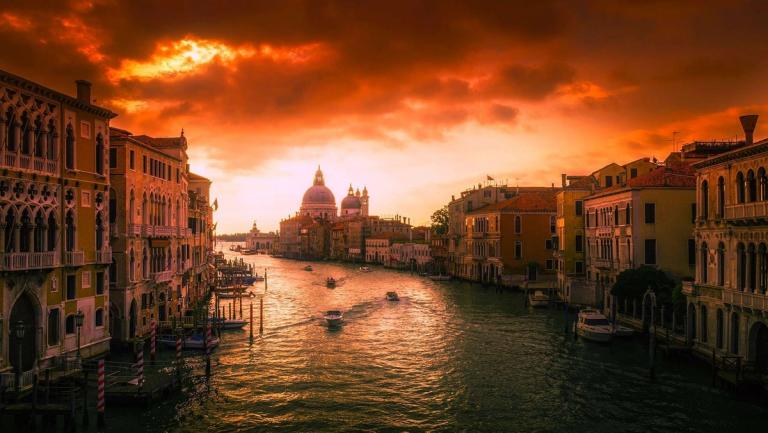
For several centuries in Europe the city was a jurisdiction in its own right. At the Peace of Constance in 1183 the Emperor conceded that the northern Italian communes could elect their own councils and pass their own legislation. Venice ran as a republic from the early Middle Ages until Napoleon ended it in 1797. In the Empire, a free imperial city answered to the Emperor alone and to no intervening prince, and about fifty of them still sat in the Imperial Diet in 1792.
Law travelled the way software does now. Cities adopted whole legal codes from other cities because they worked, most often Lübeck’s or Magdeburg’s, and named the Magdeburg bench as their court of appeal in unclear cases. Magdeburg had no power to enforce anything it decided. The arrangement held because the cities wanted it to.
The Hanseatic League was something else again, and the most interesting precedent for the present. It held no territory the way a state does. It was a network of towns, perhaps two hundred at its widest extent, bound by shared commercial law and anchored by four great trading houses at Novgorod, Bergen, London and Bruges, each with its own treasury, seal and rulebook. It had no constitution, no budget and no officials of its own, and no body but the Hansetag, whose decisions each city council was free to ratify or reject. Members joined and drifted away. Nothing about it looked like a country, and for three hundred years it worked.
Competition worked
Then the incumbents changed their minds. Having watched what self-government did to trade, the surrounding princes stopped fighting urban independence and began selling it, offering settlers guaranteed city rights on their own territory and copying the charters the older cities had spent generations extracting. In parts of southern Germany, villages bought their way out from under the local prince and answered to the Emperor directly. Nobody legislated any of this. The Free Cities were visibly richer, people and money moved toward them, and the rulers who wanted that revenue had to match the offer. It is the clearest case in European history of jurisdictions competing for residents and the residents winning, and it is why this period is worth more to the Free Cities movement than nostalgia.
Why they disappeared
They were not simply crushed. Hendrik Spruyt’s account of the period treats the sovereign territorial state, the city league and the city-state as three competing designs, and argues that the territorial state won on the merits of its age. It could make binding treaties, because someone could speak for the whole of it, and a league of self-interested towns could not. The imperial reorganisation of 1803 wiped out all but six Free Cities, the Congress of Vienna confirmed four, and Prussia took Frankfurt in 1866, leaving Hamburg, Bremen and Lübeck to carry the old titles as ordinary federal states.
The Hanse ended less dramatically. From the sixteenth century Lübeck drew the League into one northern war after another, and member cities tired of paying for adventures that were not theirs; as the territorial powers around them consolidated, most were pressed into leaving. The last diet met in 1669.
The Free Cities of the twentieth century were a different thing wearing the same name. Danzig, Kraków and the Free Territory of Trieste were diplomatic compromises over contested ground, administered by outside powers, and each was extinguished within a generation. Free ports lasted longer but ended for a duller reason: Hamburg closed its Freihafen in 2013 because average tariffs had fallen from roughly thirty per cent to three, and the exemption had become paperwork. What a Free City is worth has always been a function of how bad the surrounding regime is.
The thread to the present
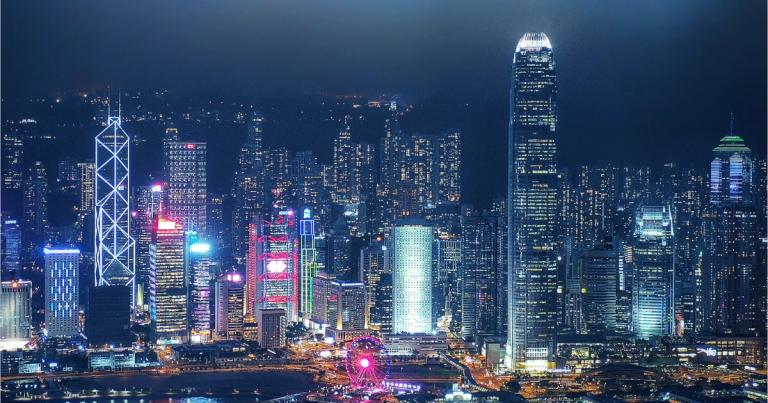
What these cities had in common was not a political programme but a position. They sold predictable law and low friction in a world short of both, and people and capital moved to them far out of proportion to their size. Livorno’s charters of the 1590s offered exemption from guild restrictions and freedom of worship, and drew Jewish, Dutch, English and Greek merchants to a small Tuscan port. Hong Kong after 1841 did the same thing on a far larger scale. Jurisdictional variety also made it hard for any European ruler to close off every exit, which is the deeper reason this period keeps being argued over.
The modern movement is a bet that the same still holds. It runs from the founding of the Seasteading Institute in 2008 and Paul Romer’s charter cities argument in 2009, through the Honduran ZEDE law of 2013, to Titus Gebel’s Free Private Cities and the network state. The Hanse’s answer to territory, a network of places bound by common rules rather than by a border, is being proposed again by people who mostly do not realise they are repeating it.
Titus Gebel states the test plainly: a society is successful if many people want to live there voluntarily, over a long period. The Free Cities of the Middle Ages passed that test for several hundred years, which is why the movement keeps coming back to them.
Articles
Blog35 min read
Honduran ZEDEs: Their Past and Future
The ZEDE law in Honduras was repealed in April 2022 and with it, one chapter of the history of innovative governance has come to an end.
 Hynek Fencl · Free Cities Foundation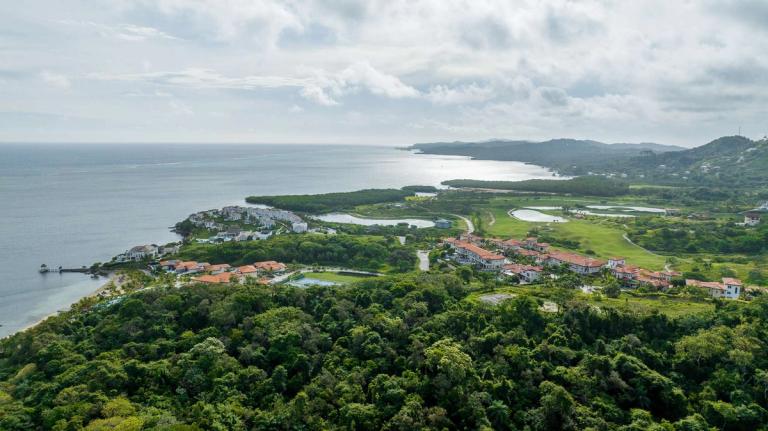
Blog19 min read
The Dawn of Liberland
The way to Liberland is easy but not simple. Technically speaking, it’s just a short bike ride away from the nearest village on a comfortable bike path through a stunning forest known as the “Amazon of Europe”.
Hynek Fencl · Free Cities Foundation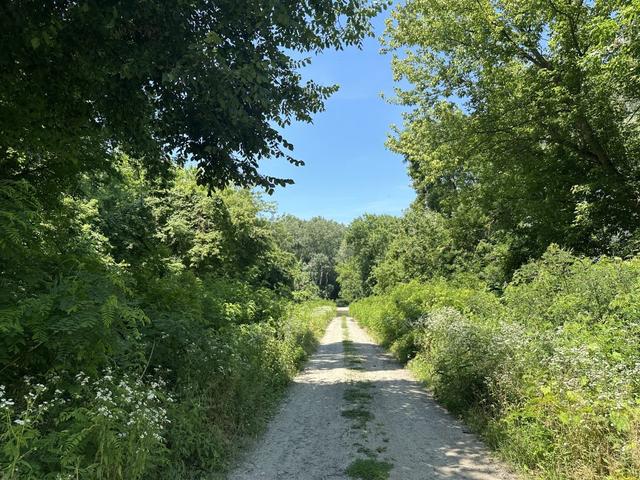
Blog8 min read
The Future of Citizenship and Residencies
The history of residencies and citizenships is deeply intertwined with the development of human societies, governance, and international relations. It’s a complex topic that spans from ancient civilizations to modern-day policies, reflecting changes in how communities and nations define belonging, rights, and obligations. While those who argue passports are inherently statist conceptions may be correct, if we aim to be free in the world we find ourselves in, we must learn more about this institution.
 Alex Voss · Free Cities Foundation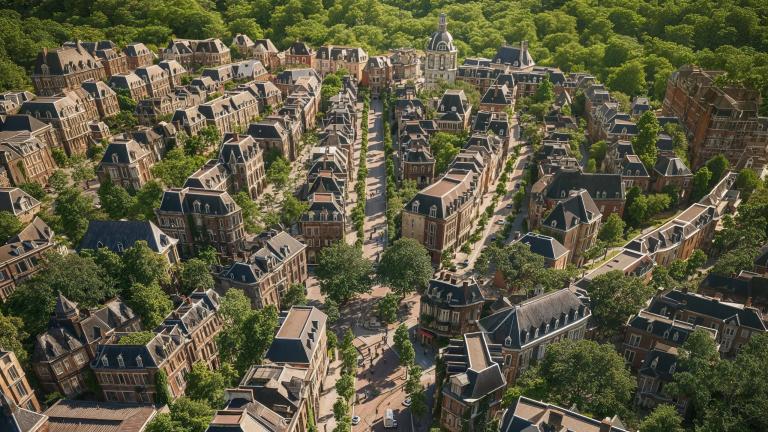
Blog6 min read
Conflicted Appreciation: “Crack-Up Capitalism” Book Review
Crack-Up Capitalism, by Canadian historian Quinn Slobodian, takes you on a journey through the history of projects and experiments often related to the Free Cities movement. It delves into attempts at winning autonomy from existing states or even establishing completely new sovereign entities. From Sealand to Somalia to Honduran ZEDEs, the book spans a worldwide array of initiatives, not just current ones but going back over half a century.
Hynek Fencl · Free Cities Foundation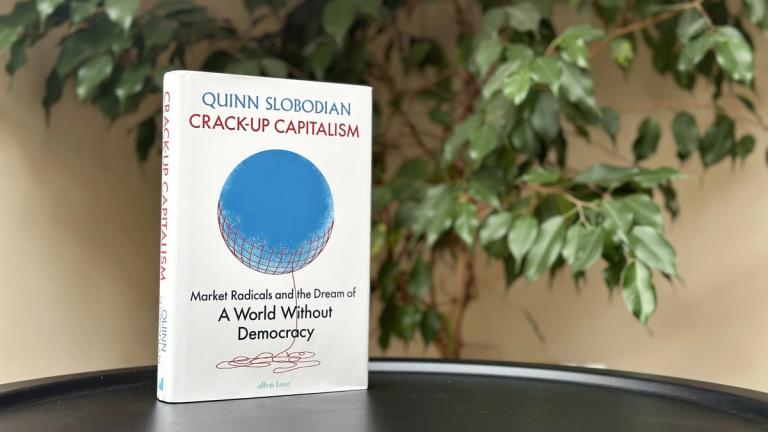
Blog35 min read
Seasteading: El Movimiento, Historia y Perspectivas
A lo largo de la historia, el mar ha sido percibido como una vía de escape, ya sea de la persecución, como en el caso de los peregrinos que viajaron a América del Norte, o del estado, como en el caso de los piratas.
 Vera Kichanova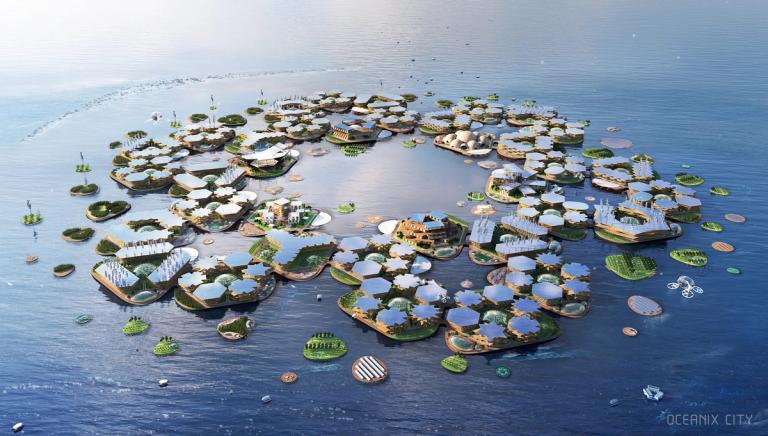
Blog31 min read
Seasteading: The Movement, History, and Perspectives
Throughout history, the sea has been perceived as a route to escape — whether from persecution, as in the case of the pilgrims travelling to America, or from the state, as in the case of pirates.
Vera KichanovaBlog29 min read
Sark: A Small Island with Huge Potential
The underlying investment case will be truly unique.
 Swen Lorenz · Sark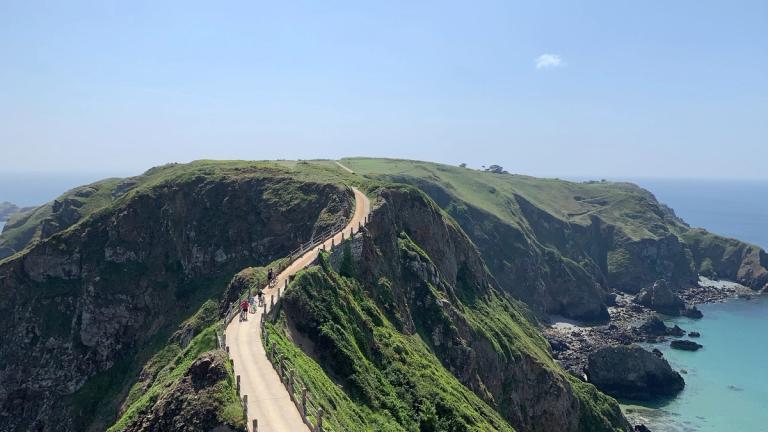
Blog8 min read
Odesa’s Economic Miracle: This 19-Century Free City Holds Lessons for Ukraine’s Recovery
Ukraine’s largest seaport, Odesa, has been making headlines recently — for a grim reason. In the past month alone, Russian drones and missiles have disfigured a fair share of the city’s UNESCO-listed historic centre, including the Orthodox Cathedral, the House of Scientists (the former Counts Tolstoy palace), three museums, and a range of 19th-century mansions. Optimism prevails nevertheless: for the first time since the start of the full-scale invasion in 2022, the city is reopening its beaches.
Vera Kichanova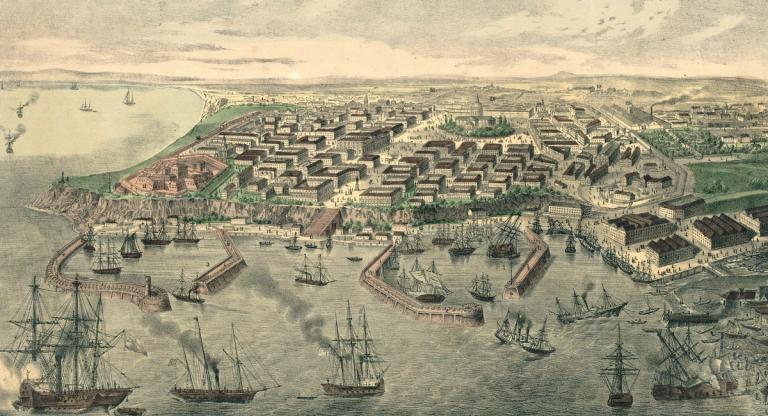

Videos
Free Cities Conference 2025
Free Cities Online Summit 2025
Free Cities Online Summit 2025
Liberty in Our Lifetime 2024
Liberty in Our Lifetime 2024
Free Cities Foundation




Podcast episodes
Podcast Episode 193
Mark Frazier: Fifty Years of Watching It Go Wrong
Mark Frazier was made publisher of Reason magazine in 1970, at eighteen, when it had three hundred subscribers and was produced in the founder’s apartment…

Podcast Episode 179
Liam Bates: Make Sealand Great Again
Liam Bates on the true story of Sealand, the North Sea micronation, its 1978 coup, and plans to revive it through eCitizenship and a DAO.

Podcast Episode 142
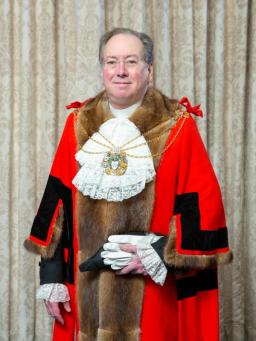
Michael Mainelli: Solving Wicked Problems
Former Lord Mayor Michael Mainelli on the City of London's history and governance, free markets, regulation and solving society's wicked problems.
Podcast Episode 115
Vera Kichanova: Lessons From Odessa
FCF economist Vera Kichanova on Odessa as a historical model for Free Cities and Special Economic Zones, and why such models are rare today.

Podcast Episode 89
Allen Farrington: Venice, Sovereign Individuals & The Bitcoin Renaissance
Allen Farrington on his book Bitcoin Is Venice, the city's 1,000-year rise and fall, sovereign individuals and a Bitcoin standard.

Podcast Episode 54
Christopher Beaumont & Swen Lorenz: Sark. Past, Present & Future
Seigneur Christopher Beaumont and Swen Lorenz on the past, present and future of Sark, the self-governing Channel Island near Normandy.

Podcast Episode 36
Titus Gebel: Medieval City-States
Titus Gebel on medieval city-states, the rise and fall of the free imperial cities and the lessons they hold for modern Free Cities.

Podcast Episode 34
Titus Gebel: Breaking the Political Cycle
FCF founder Titus Gebel on breaking the political cycle, the history of city-state models and his vision of government as a service.


Projects
Sovereign TerritoryOperational
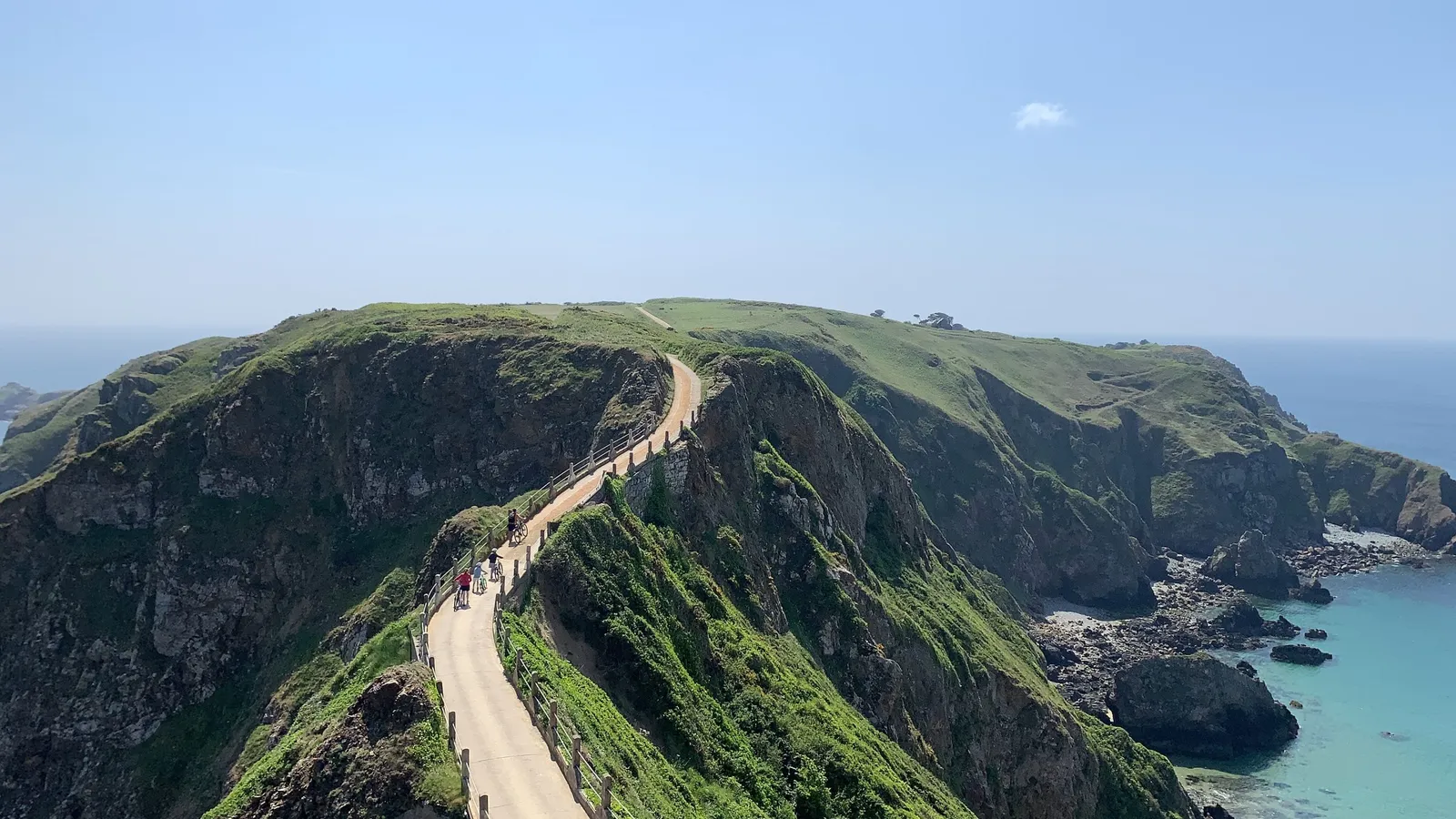
Sark
Sark is a small self-governing island in the English Channel, part of the Bailiwick of Guernsey and a Crown Dependency rather than part of the United Kingdom, with its own parliament, its own tax system and no cars.
Guernsey, Channel Islands 250–1,000 residents
Sovereign TerritoryOperational
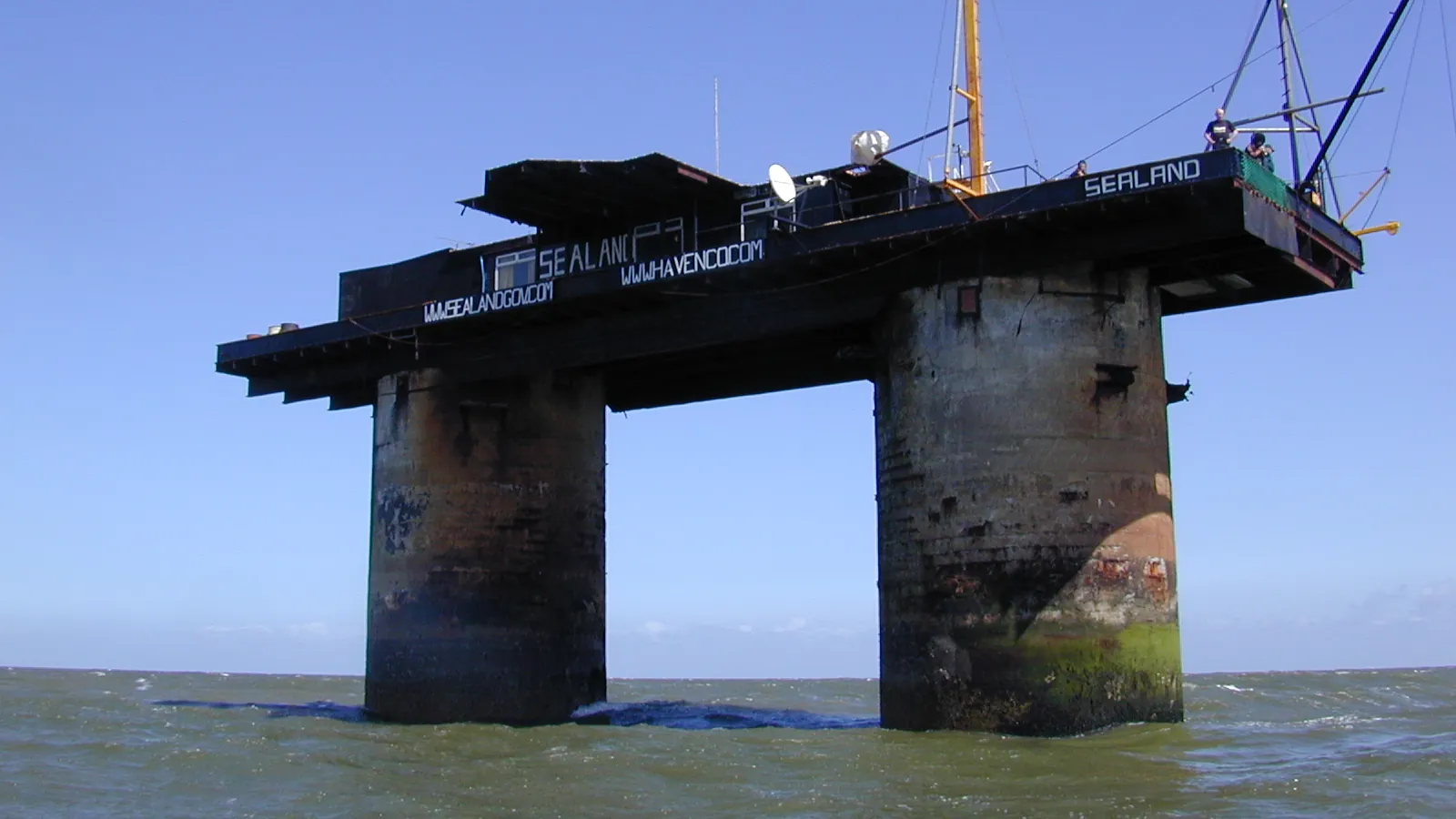
Principality of Sealand
The Principality of Sealand is a self-declared micronation on HM Fort Roughs, a Second World War naval platform in the North Sea off the coast of England, founded in 1967 by Paddy Roy Bates and run since as a hereditary principality by his family.
United Kingdom Under 5 residents
 Deutsch