Book
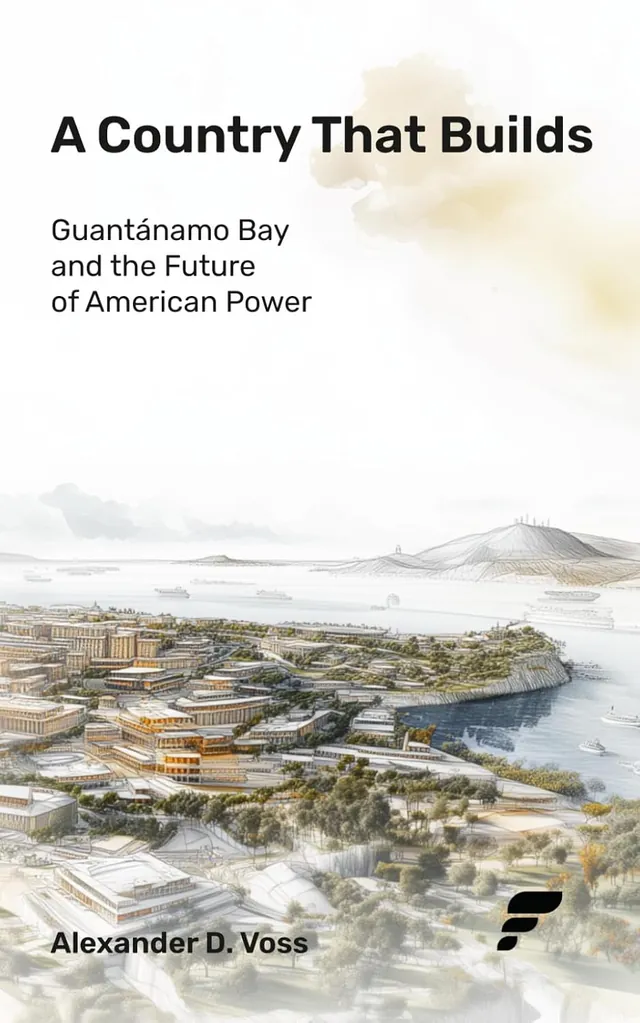
A Country That Builds Guantánamo Bay and the Future of American Power
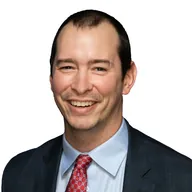 AuthorAlexander D. VossFree Cities Foundation
The United States has leased forty-five square miles of Caribbean coastline at Guantánamo Bay since 1903, and for decades the naval station has sat largely idle. Alex Voss argues that its extraterritorial status and ready-built port, runway, and power grid make it the ideal site for a Free City under American sovereignty, drawing lessons from Hong Kong, Singapore, Dubai, and Shenzhen.
The naval station costs roughly half a billion dollars a year to run. Voss sees in its idle infrastructure the foundations of a city, and in the Cuban-American diaspora of Miami the natural workforce, leadership and political coalition to build it, five miles from the darkened houses of Caimanera.
The book widens the lens with the development histories of Subic Bay, Malta and Taiwan alongside the better-known stories of Hong Kong, Singapore, Dubai and Shenzhen. It includes a foreword by Mailyn Salabarria.
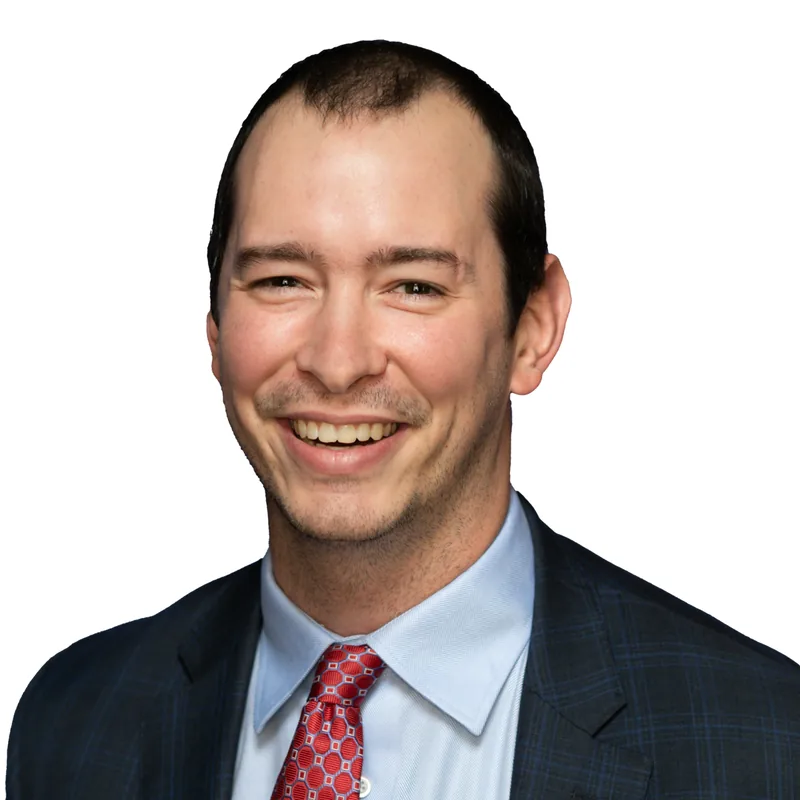
Alex Voss
Member of the Board
Alex is a Foundation Council Member of the Free Cities Foundation. He has a background in investment banking and joined Titus Gebel as the CFO of Tipolis from its beginning. Alex lives in Chicago and is working to expand the ideas of the Foundation to the Americas.
Before Tipolis he worked on corporate restructurings and mergers and acquisitions in healthcare, and in asset management at Ariel Investments, buying deep-value equities. That is the discipline he brings to a field with a shortage of it: a new city is a capital project with a thirty-year horizon and no comparable transactions to price it against, and somebody has to model it anyway.
Alongside Tipolis he advises fintech, Bitcoin, intentional-community and real-estate ventures, and argues that a Free City needs a financial system that does not depend on the goodwill of the country it sits in.
He studied economics and finance at the University of Chicago and Notre Dame, holds the CFA charter along with several other professional designations, and has more recently formalised his study of Austrian economics through the Mises Institute.