Bitcoin and Free Cities
Free Cities and bitcoin share a premise: that the rules governing money and the rules governing a place should be chosen rather than imposed. Several projects have taken that literally, adopting bitcoin as legal tender, denominating fees in it, or building an economy around it.
The link is structural rather than decorative. A currency monopoly is how a state funds itself without having to ask, so a jurisdiction that cannot inflate has tied its own hands in much the same way a fixed fee schedule binds a city operator. That is the attraction, and it is the source of most of the difficulties, because a money nobody controls is also a money nobody can steady.
This topic gathers the coverage of those experiments, what has worked, what has not, and what a jurisdiction actually has to change to make sound money more than a slogan.
Also covers: Bitcoin · Crypto · Cryptocurrency · Bitcoin City · Crypto City · Sound Money · Stablecoin · Satoshi
One argument applied to two goods
Hayek made the case for monetary competition in 1976, arguing in The Denationalisation of Money that the state monopoly on issue should be broken and rival currencies left to discipline one another. Free Cities make the same argument about governance. The two fit together: an operator that denominates its citizen fee in a money it cannot print gives up seigniorage and buys credibility in return, because it can no longer quietly reduce what it owes residents. States resist for the mirror reason. A currency monopoly funds deficits through inflation, underwrites capital controls and makes financial sanctions possible.
What has actually been tried
El Salvador went first, making bitcoin legal tender in September 2021 and announcing Bitcoin City at the foot of the Conchagua volcano, to be powered by geothermal mining; the law was amended in January 2025 to make private acceptance voluntary. Próspera adopted bitcoin as legal tender in 2022 and then went further in a quieter way. In January 2024 it became the first jurisdiction anywhere to recognise bitcoin as a unit of account, so that a business can compute its tax liability in bitcoin rather than merely settle in it. That is the deeper change, because becoming a unit of account is what separates a currency from a payment rail.
At city scale, Lugano accepts bitcoin and a dollar stablecoin for every municipal invoice, from taxes to parking fines, and the Swiss canton of Zug has taken tax payments in bitcoin since 2021. Below that sit the circular economies, where the aim is a working local market rather than a legal status: El Zonte in El Salvador, where the experiment began in 2019, then Berlín in the same country, Bitcoin Jungle in Costa Rica, Bitcoin Ekasi in South Africa and Bitcoin Lake in Guatemala. These are villages and small towns with merchant networks in the low hundreds, built from the ground up rather than legislated into being.
What a jurisdiction actually has to change
Accepting bitcoin for payments is the easy part and the least consequential. Zug takes tax payments in bitcoin but converts them to francs the same day, so nothing about the canton’s finances changes. Lugano goes further by accepting it for every bill it issues. Próspera goes furthest by letting a business keep its accounts in bitcoin, which is the change that matters, because a money only becomes a currency once people reckon in it.
A jurisdiction that wants to go beyond gestures has three decisions to make. The first is what it accepts in payment, which is the easiest. The second is what it denominates: fees, contracts and taxes. That one is hard, because it decides what people reckon in. The third is what it holds in the treasury, and it carries real risk, since an asset that can halve within a year behaves very differently on a city’s balance sheet than in a personal portfolio.
The most durable version of the idea is also the cheapest. A jurisdiction can simply permit people to keep their accounts, price their contracts and settle their obligations in a money of their own choosing, which is close to what Hayek asked for in 1976. That is a change in the law rather than a bet on a price, it costs the treasury nothing, and it obliges nobody to hold anything.
Articles
Blog14 min read
Building the Bitcoin Citadel: Autris and the Case for the Most Complete Bitcoin Company in the Public Markets
In 2013, a Reddit post appeared under the title ‘I am a time-traveler from the future, here to beg you to stop what you are doing.’ The anonymous author described a world in which Bitcoin had become the dominant global currency, but in…
 Alex Voss · Free Cities Foundation
Blog5 min read
CryptoCity: Shaping the Future of Community Living
Disclaimer: The following article was written by an external author. The opinions expressed in it do not necessarily reflect the opinions of the Foundation or its members.
 Tim Stern · CryptoCity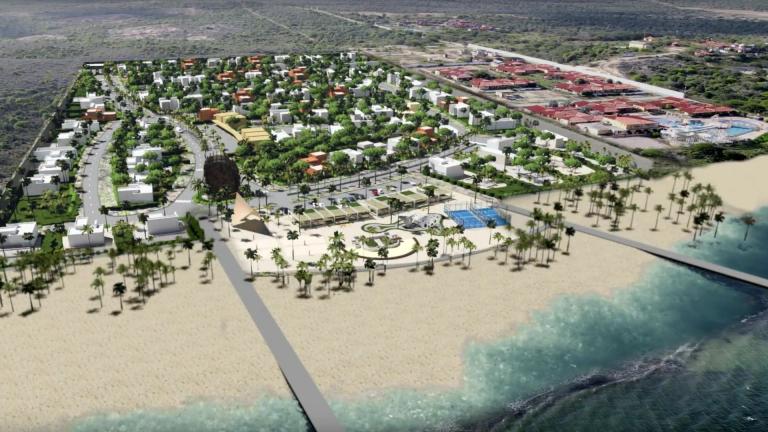
News4 min read
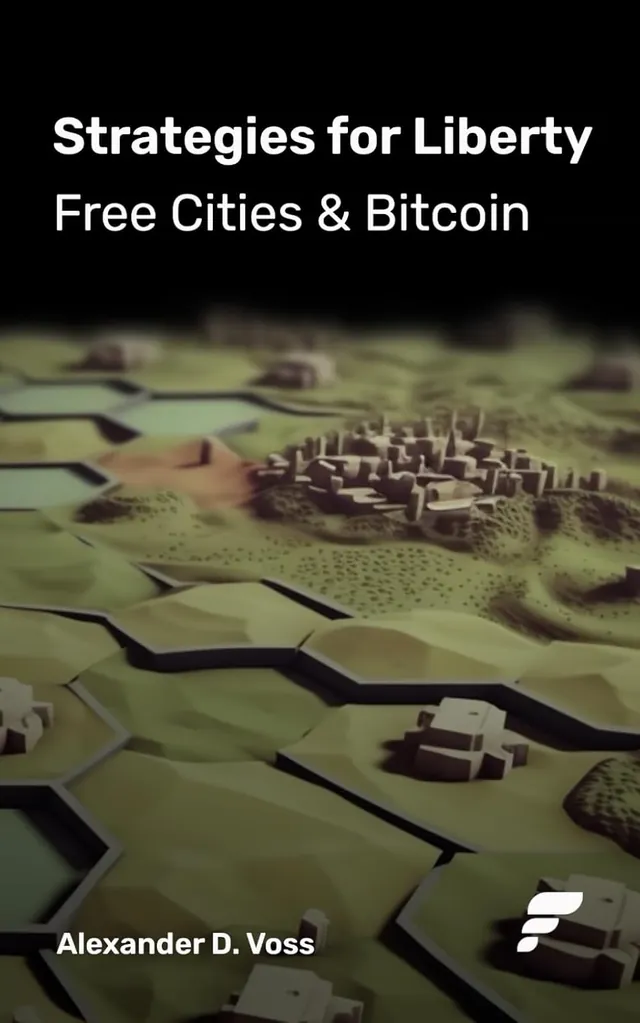
Strategies for Liberty: Free Cities & Bitcoin by Alexander D. Voss – Out Now!
The Free Cities Foundation is proud be publishing Alexander D. Voss’ new book Strategies for Liberty: Free Cities & Bitcoin. Though both of these topics – Free Cities and Bitcoin – have been extensively covered on their own, this book is the first systematic exploration of the interplay between the two. It lays out how important synergies between Free Cities and Bitcoin can make it easier for us to achieve a freer future.
 Free Cities Foundation Team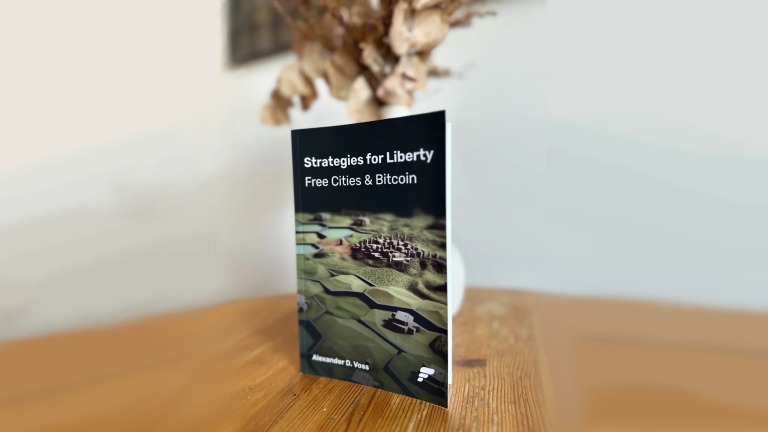
Blog2 min read
The Story of Tienda Juliette: A Crypto-Friendly Minimarket in Honduras’ Free City
Despite the political uncertainty surrounding the fate of the ZEDEs, Hondurans still see Morazán as an opportunity to better their lives. That’s why residents continue to move in and businesses continue to form. A recently started enterprise is Tienda Juliette, a family-run pulpería or minimarket.
 Joyce Brand · Free Cities Foundation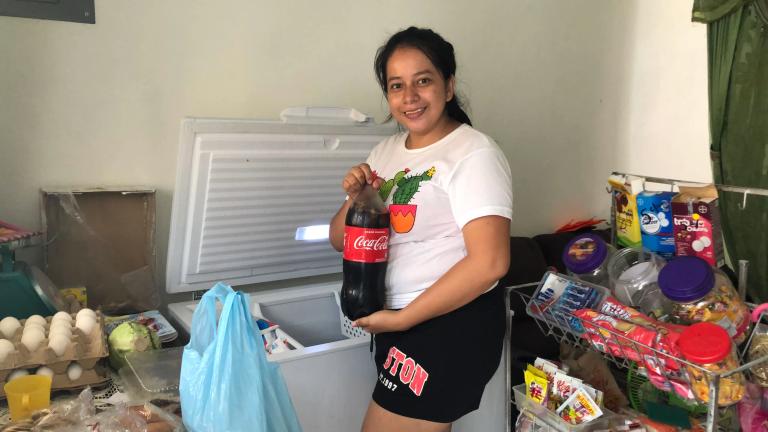
Videos
Free Cities Conference 2025
Free Cities Conference 2025
Liberty in Our Lifetime 2024
Liberty in Our Lifetime 2024
Liberty in Our Lifetime 2024
Liberty in Our Lifetime 2024








Podcast episodes
Podcast Episode 197
Dominic Frisby: They’ll Blame You When It Fails
Dominic Frisby doubts fiat ends in hyperinflation. He expects decades of quiet debasement, and thinks gold and Bitcoin holders get the blame.
Podcast Episode 195
Christian Betancourt: How to Survive a Hostile Government
Four years ago, Timothy Allen came to Próspera to see whether there was anything actually there. An interview happened on a sofa in a guest house down the…
Podcast Episode 183
Tomek Kołodziejczuk: The Bitcoin Free City
Tomek Kołodziejczuk on building a Bitcoin city inside Próspera, the Bitcoin District, and turning Roatán into the world's most Bitcoin-dense island.
Podcast Episode 156
Patrick Hiebert & Alex Voss: Building Bitcoin Citadels
Patrick Hiebert and Alex Voss on expanding Veritas Villages across Central America and integrating Bitcoin into community payments and governance.

Podcast Episode 132
Bonnie Freeman: The War on Bitcoin is Not Over
Bonnie Freeman on her husband Ian's eight-year prison sentence, the FBI raid and what his Bitcoin case reveals about the war on crypto.

Podcast Episode 114
Alex Voss: Strategies for Liberty, Free Cities & Bitcoin
Tipolis CFO Alex Voss on the intersection of Bitcoin and Free Cities, regulatory autonomy and negotiating with host governments.

Podcast Episode 102
Sam Roberts: Bitcoin, Pensions & The Financial Renaissance
Cartwright director Sam Roberts on becoming the first UK firm to put Bitcoin in pension portfolios and the institutional financial shift.

Podcast Episode 96
Niko Jilch: Socialism, Gold & Bitcoin Geopolitics
Austrian financial journalist Niko Jilch on socialism, gold, Bitcoin as digital gold, central banking and monetary geopolitics.














Projects
Intentional CommunityOperational
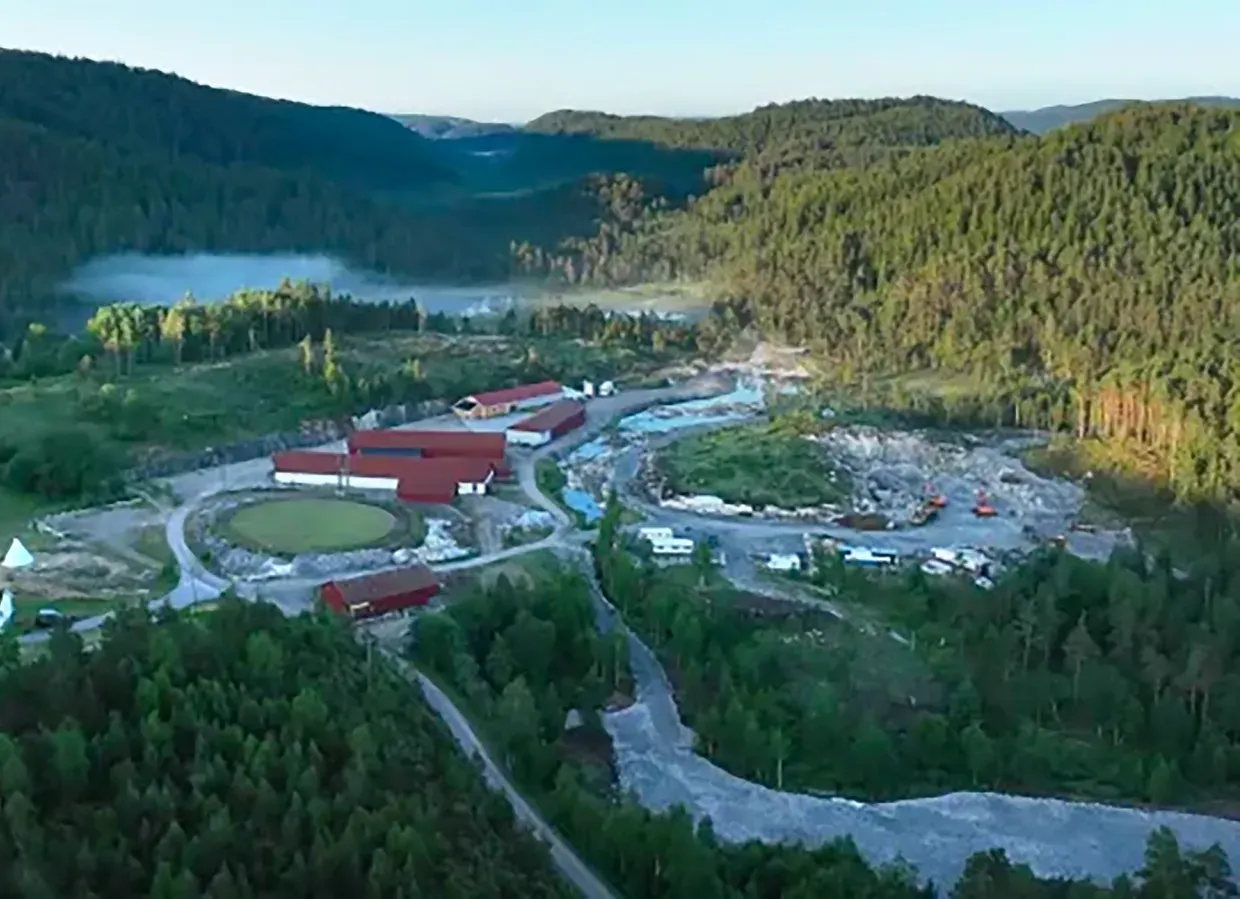
Liberstad
Liberstad is a private, member-based settlement in the Agder region of southern Norway, founded by John Holmesland and Sondre Bjellås as a community organised around voluntary cooperation, private property and the non-aggression principle.
Norway Under 50 residents
Intentional CommunityIn Planning
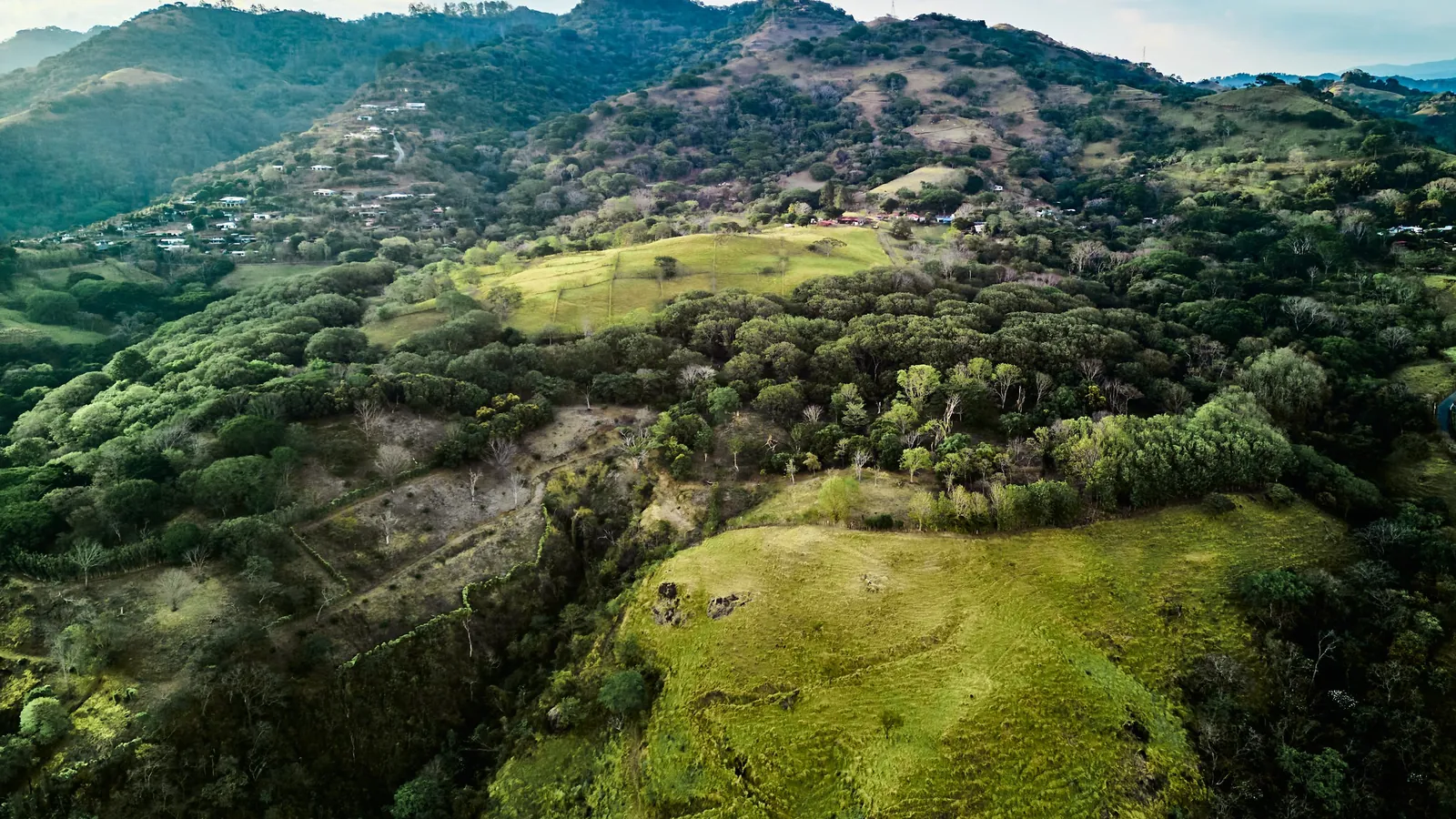
Veritas Village - Atenas
The largest of the villages by a wide margin: more than 340 acres of river valley and coffee land in the hills above Atenas, half an hour from San José’s international airport. Its master plan, dated July 2026, sets out a terraced house community, a denser European style village and a hillside hotel.
Costa Rica
Intentional CommunityOperational
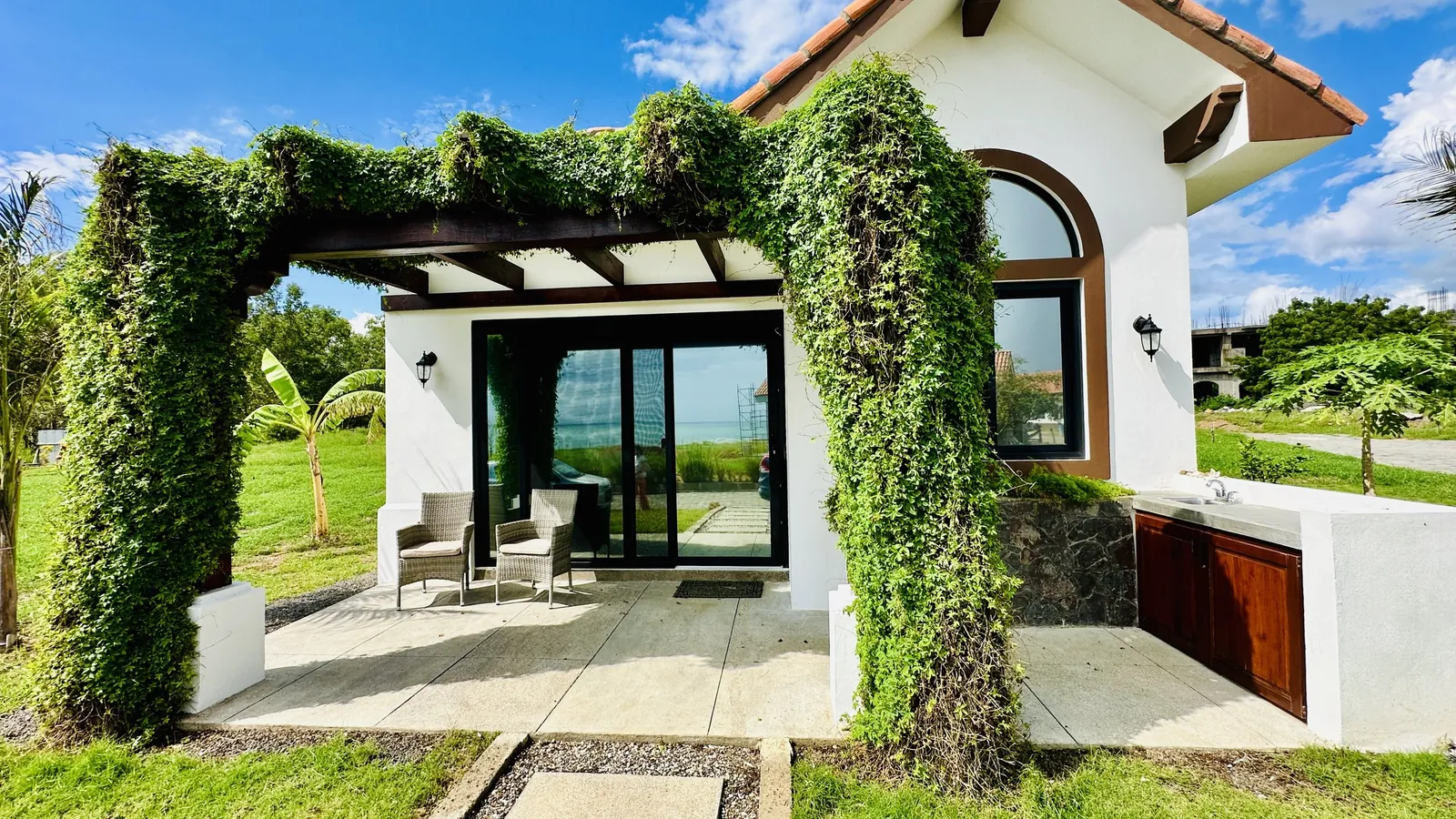
Veritas Village - Playa Pacifica
The first Veritas Village to open, and the only one built inside an existing resort. It is a beachfront neighbourhood inside Gran Pacifica on Nicaragua’s Pacific coast, between one and one and a half hours from Managua, sharing the resort’s nine-hole golf course, stables, beachfront pools and surf break.
Nicaragua Under 50 residents
Intentional CommunityIn Development
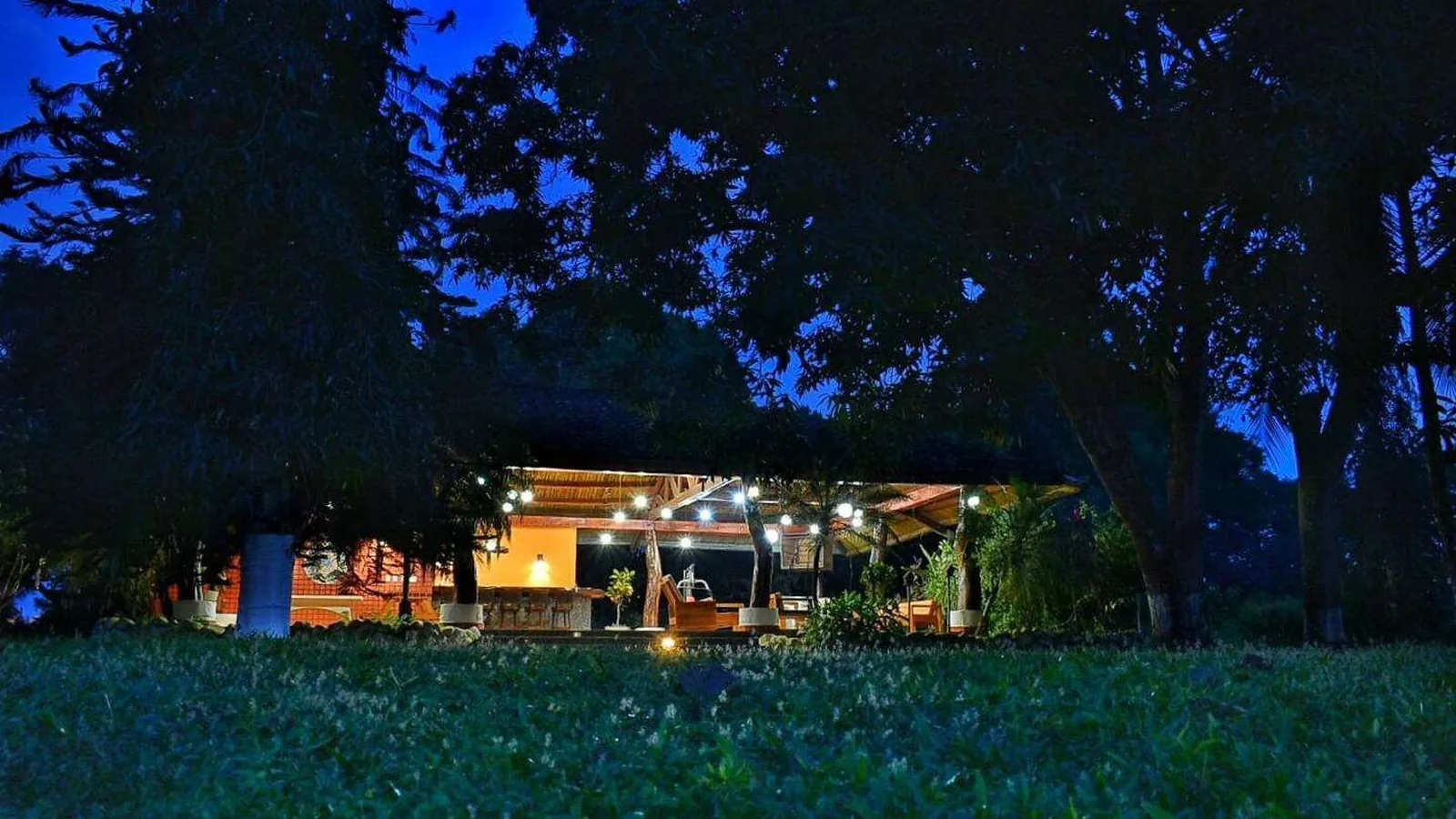
Veritas Village - Chiriquí
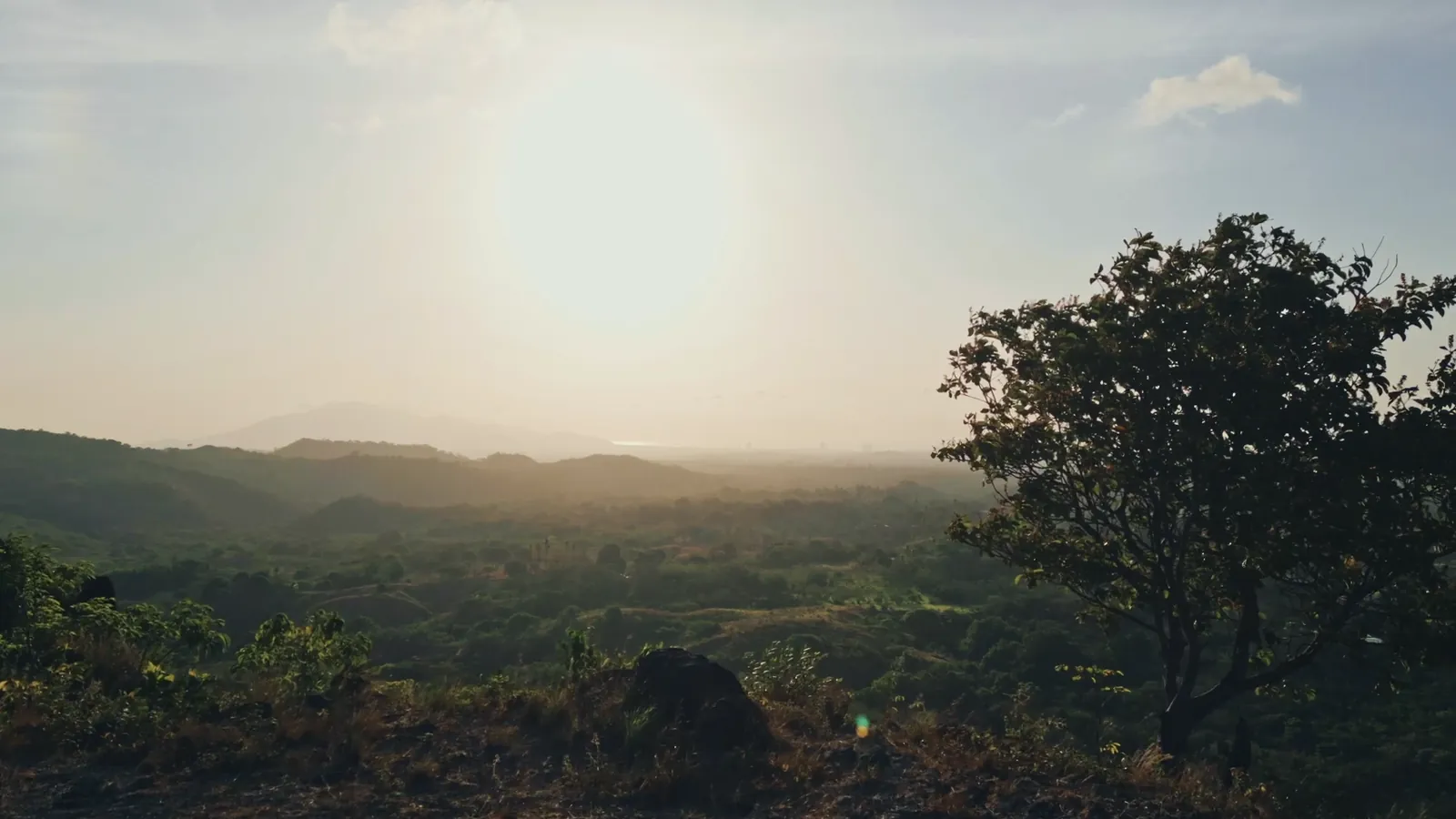
The smallest and most agricultural of the villages: fourteen lots and four guest units on volcanic soil in the foothills of western Panama, between La Concepción and Bugaba, with a river along one boundary and half an hour to the Costa Rican border.
Panama
Intentional CommunityIn Development
Veritas Village - Coronado
A hillside village of 87 lots on the Panamanian Pacific coast, ten minutes above the town of Coronado at between 250 and 350 metres. Its welcome centre is built to run entirely off grid, and the master plan sets out a school, stables, a tilapia pond and an amphitheatre among the lots.
Panama

Intentional CommunityIn Development
CryptoCity
CryptoCity is an intentional community being built on the south coast of Isla de Margarita, Venezuela: some three hundred plots on forty terraced hectares above a private beach, governed by a vote of its landowners and aimed at German-speaking entrepreneurs and their families.
Venezuela
In the media
Bitcoin Magazine
Finding Liberty in Parallel – Bitcoin and the Free Cities Movement
Fortune
Crypto millionaires plan tax-free cities in Central America
MIT Technology Review
Crypto millionaires building their own cities in Central America
The Sean Morgan Report
Bitcoin City and The Future of Economic Liberty with Peter Young
The Bitcoin Reserve Show
Free Private Cities & Bitcoin with Peter Young
Stephan Livera Podcast
Bitcoin Adoption in El Salvador, Free Private Cities and the Honduran ZEDEs
Adopting Bitcoin
Peter Young and Veronika Kuett Twitter Spaces discussion on El Salvador's Bitcoin City
Adopting Bitcoin Conference
Veronika Kuett & Peter Young talk about Bitcoin and Free Private Cities at the Adopting Bitcoin Conference
Peter Young talks to John Vallis about Bitcoin Citadels and Free Private Cities
Bitcoin Magazine
Bitcoin, Bitcoiners and Citadels
 Português