
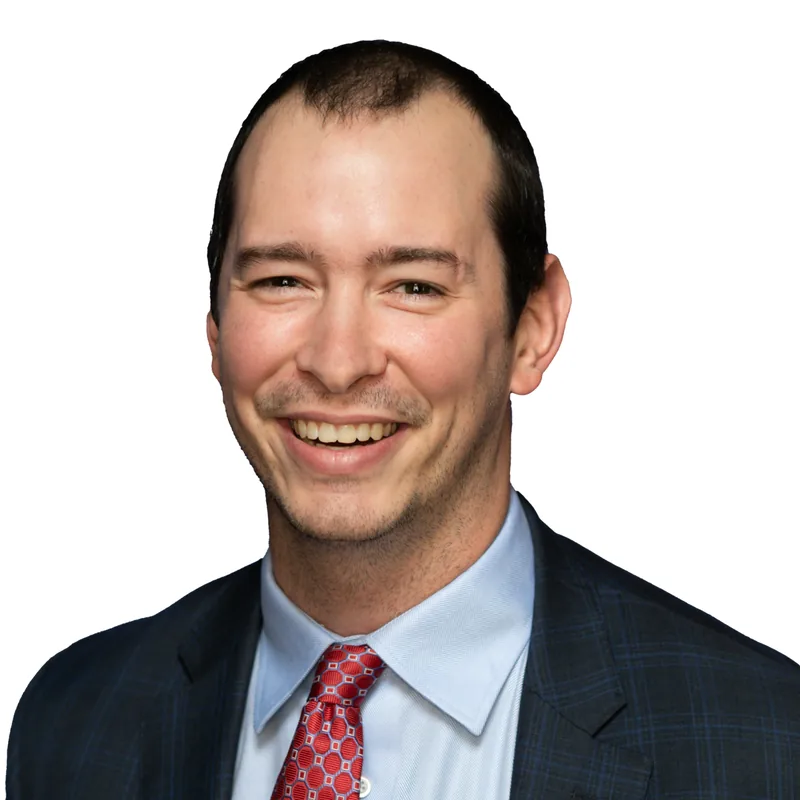


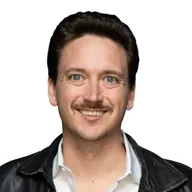
Alex is a Foundation Council Member of the Free Cities Foundation. He has a background in investment banking and joined Titus Gebel as the CFO of Tipolis from its beginning. Alex lives in Chicago and is working to expand the ideas of the Foundation to the Americas.
Before Tipolis he worked on corporate restructurings and mergers and acquisitions in healthcare, and in asset management at Ariel Investments, buying deep-value equities. That is the discipline he brings to a field with a shortage of it: a new city is a capital project with a thirty-year horizon and no comparable transactions to price it against, and somebody has to model it anyway.
Alongside Tipolis he advises fintech, Bitcoin, intentional-community and real-estate ventures, and argues that a Free City needs a financial system that does not depend on the goodwill of the country it sits in.
He studied economics and finance at the University of Chicago and Notre Dame, holds the CFA charter along with several other professional designations, and has more recently formalised his study of Austrian economics through the Mises Institute.
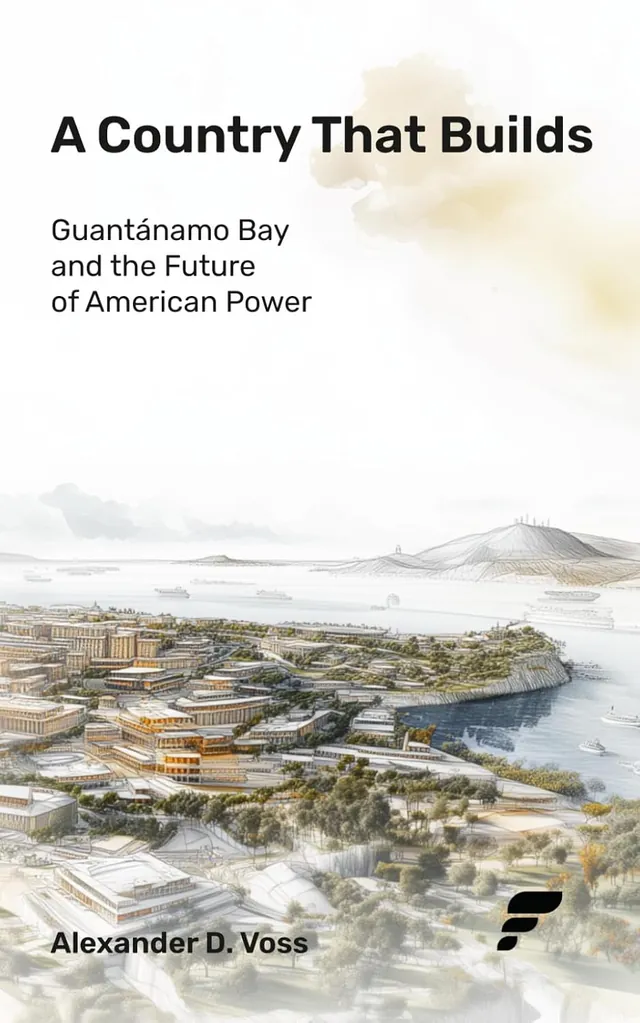 A Country That Builds Guantánamo Bay and the Future of American PowerThe United States has leased forty-five square miles of Caribbean coastline at Guantánamo Bay since 1903, and for decades the naval station has sat largely idle. Alex Voss argues that its extraterritorial status and ready-built port, runway, and power grid make it the ideal site for a Free City under American sovereignty, drawing lessons from Hong Kong, Singapore, Dubai, and Shenzhen.More about this book
 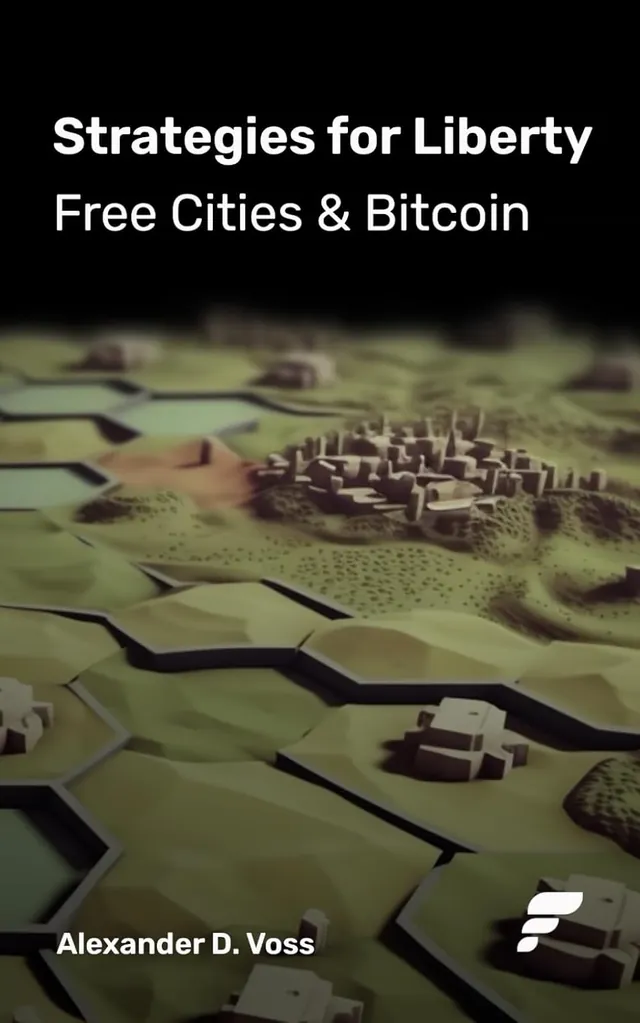 Strategies for Liberty Free Cities & BitcoinIn this book, Alex Voss makes the case that Free Cities and Bitcoin are among the most powerful tools we have to meaningfully enhance liberty. Importantly, the synergies between these two tools make them exceptionally powerful in their potential to free us from today’s legacy systems.More about this book
 Blog4 min read
People Go Where They Are Treated Best
There is a line in Jamie Dimon’s 2025 letter to JPMorgan shareholders that reads like a warning shot aimed at high-tax state capitals. “Individuals vote with their feet,” he wrote. “You can already see a fairly large exodus of people and jobs out of some states with high taxes and high expenses.” Then he laid out the receipts. JPMorgan has cut its New York headcount from 30,000 a decade ago to 24,000. Its Texas headcount has grown from 26,000 in 2015 to 32,000 over the same period. He framed the migration plainly: “People often make this a moral or loyalty issue, but it is not. Companies need to remain competitive in this very tough, fast-moving world.”

Blog4 min read
Beauty as Infrastructure: Why Free Cities Should Invest in It Early
If you are building a Free City, a special economic zone, or any new jurisdiction from scratch, here is a piece of advice that sounds frivolous and is not: invest in beauty before you think you can afford to.

Blog26 min read
The Autonomous Upside: Autonomous Cities Investment Thesis
In 1965, Singapore was a swampy island with a gross domestic product (GDP) per capita of roughly $500, mass unemployment at 14 percent, and half its population illiterate.
Academic24 min read
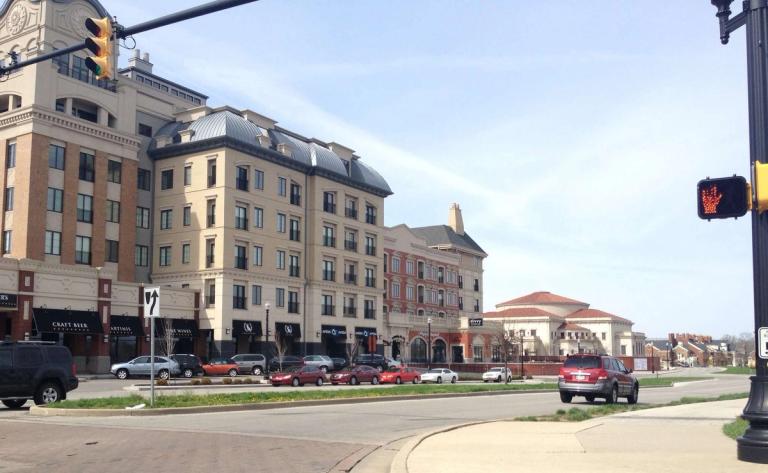
The Governance Dividend: The Story of Carmel, Indiana
Most people assume that good governance is expensive. That it demands large bureaucracies, heavy tax burdens, and a government apparatus that grows in perpetuity. Carmel, Indiana suggests they are wrong. What the Carmel experience shows instead is that when a community shares basic norms, when the physical environment is well designed, and when leadership makes deliberate choices about what to build, governance gets cheap. Surprisingly cheap.
Blog11 min read
Quadratic Voting, Quadratic Finance & Free Cities
Intentional communities, planned developments, and new city projects share a common challenge: how do you fairly decide which shared infrastructure to build, and how do you pay for it? Whether the community is an off-grid village, a…

Blog14 min read
Building the Bitcoin Citadel: Autris and the Case for the Most Complete Bitcoin Company in the Public Markets
In 2013, a Reddit post appeared under the title ‘I am a time-traveler from the future, here to beg you to stop what you are doing.’ The anonymous author described a world in which Bitcoin had become the dominant global currency, but in…
Blog8 min read
The Future of Citizenship and Residencies
The history of residencies and citizenships is deeply intertwined with the development of human societies, governance, and international relations. It’s a complex topic that spans from ancient civilizations to modern-day policies, reflecting changes in how communities and nations define belonging, rights, and obligations. While those who argue passports are inherently statist conceptions may be correct, if we aim to be free in the world we find ourselves in, we must learn more about this institution.

Academic31 min read
Free Private Cities: A Market-Oriented Solution to the Problems of Government Intervention
Free Private Cities (FPCs) are a new model of governance in which a purely private, investor-owned company provides the services of a State in a city-sized area. Free Private Cities attempt to provide Governance-as-a-Service (GAAS) by treating the relationship with residents as that between a service provider and a consumer rather than ruler and subject. The key characteristics of FPCs include a contract signed between the consumer and the FSP Operator, consensual taxes and/or fees charged by the Operator to the resident consumer, and the provision of infrastructure including energy, water treatment, roads, security, dispute resolution, and others. This paper first lays out in detail the risks, pitfalls, and negative consequences of government intervention in the economy and then examines the FPC model of governance to determine if it is distinctive enough to avoid the same pitfalls or if it merely represents a form of privatized statehood that suffers from many or most of the flaws of traditional governments.











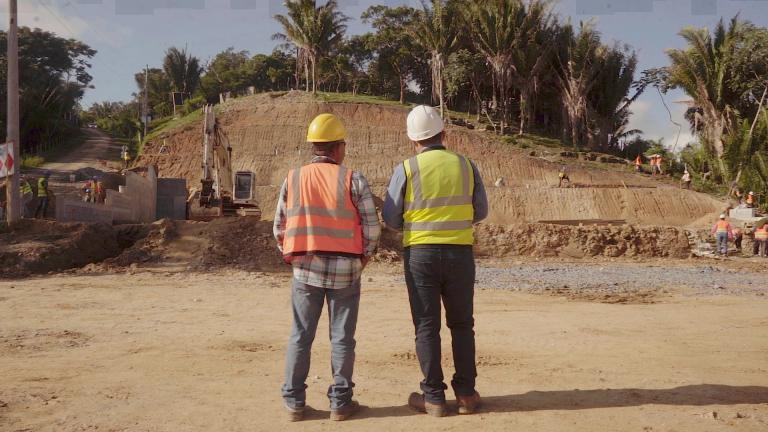
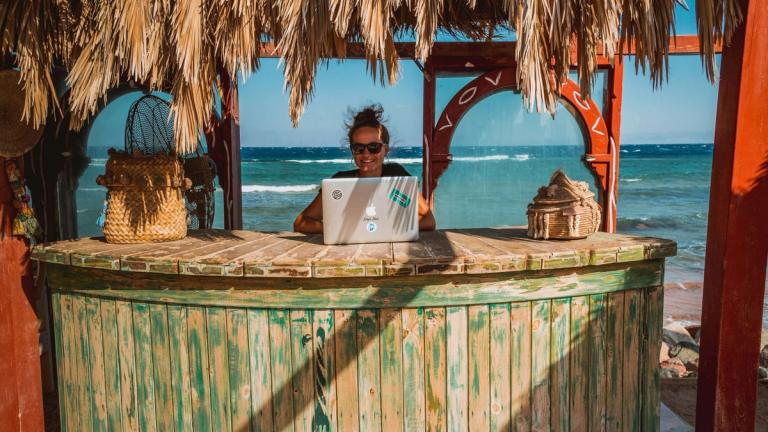
Free Cities Conference 2025
Free Cities Conference 2025
Free Cities Online Summit 2025
Liberty in Our Lifetime 2024
Veritas Villages
Liberty in Our Lifetime 2023
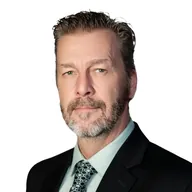
Podcast Episode 156
Patrick Hiebert & Alex Voss: Building Bitcoin Citadels
Patrick Hiebert and Alex Voss on expanding Veritas Villages across Central America and integrating Bitcoin into community payments and governance.

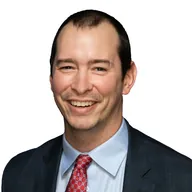
Podcast Episode 114
Alex Voss: Strategies for Liberty, Free Cities & Bitcoin
Tipolis CFO Alex Voss on the intersection of Bitcoin and Free Cities, regulatory autonomy and negotiating with host governments.