
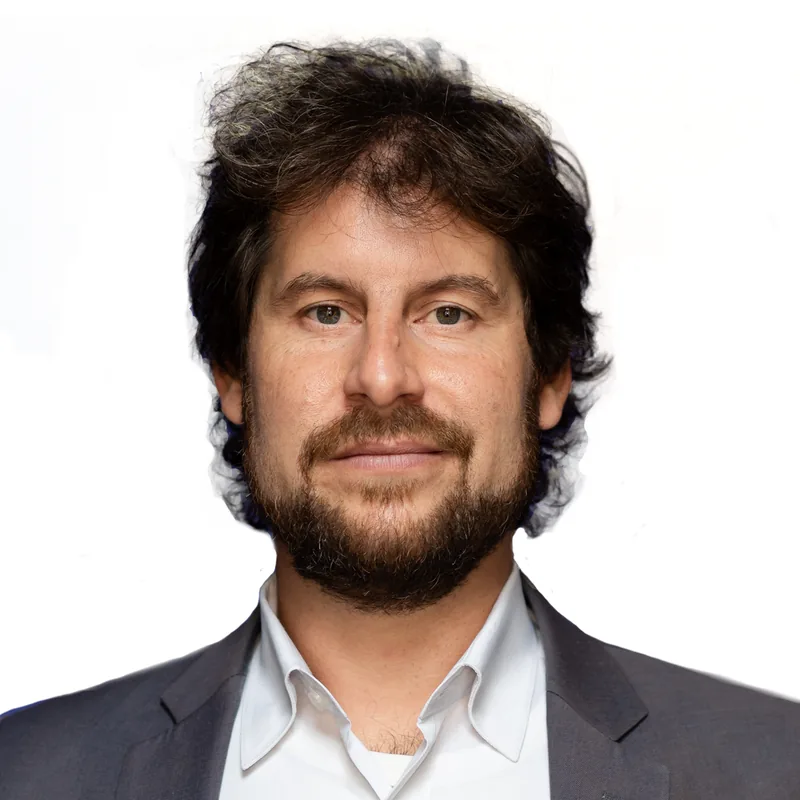
Rahim Taghizadegan
Austrian School Economist

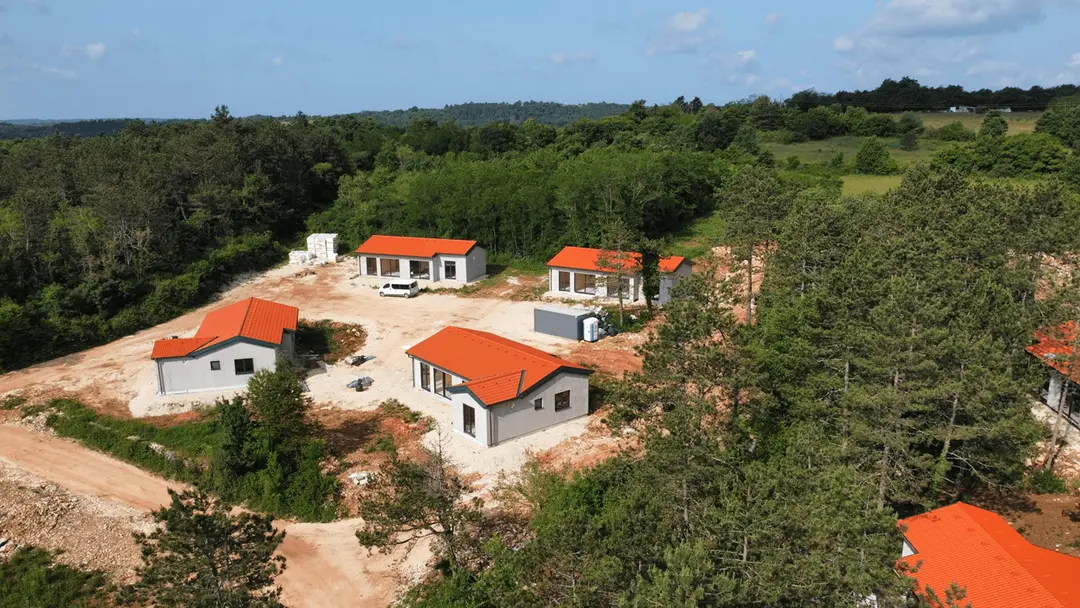 FounderCitadel.GardenIntentional Community · Croatia · Madeira
Rahim Taghizadegan is the last Austrian economist of the Austrian School in the direct tradition and has been teaching at universities in Austria, Liechtenstein, Switzerland, and Germany. As one of the last Viennese polymaths, he is also a physicist (specialization in nuclear physics and complex systems), philosopher, investor and entrepreneur.
He has written more than a dozen books, some of them best-sellers, and is the founder of the private university Scholarium in Vienna, where the Austrian School is kept alive in its original interdisciplinary form of the Hayek- and Mises-Circles. He is originally from Iran, but has grown up in Austria and studied in Switzerland and the US.
He moved the Scholarium to Zug in Switzerland in 2024, and has held lectureships in Austria, Liechtenstein and Germany. He studied physics, economics and sociology in Vienna and Lausanne.
He was among the first Austrian economists to take Bitcoin seriously, teaching and publishing on it since 2011, and he now builds what he calls citadels: small, defensible communities in Europe founded on sound money and self-reliance, of which Citadel.Garden is his own.
Podcast Episode 165
Rahim Taghizadegan: Exit Is More Powerful Than Voice
Austrian economist Rahim Taghizadegan on why exit beats voice and citadel.garden, his low-profile network of Bitcoin-backed family refuges.
VideoFree Cities Conference 2025
VideoLiberty in Our Lifetime 2023
Podcast Episode 39
Rahim Taghizadegan: Bitcoin Citadels, Geopolitics & CBDCs
FCF chief economist Rahim Taghizadegan on the Bitcoin citadel meme, geopolitics, CBDCs and the collapse of the fiat system.
VideoLiberty in Our Lifetime 2022
VideoLiberty in Our Lifetime 2022
Blog5 min read
What are Free Private Cities?
Free Private Cities revive an old European tradition to which we owe much of our diversity and innovative power: They combine urban autonomy and mobile cosmopolitanism. Time and again in Europe productive people have had to flee plunder and persecution. Yet the continent differs from other parts of the world in that it has attracted a greater number of refugees who have been able to build up capital and trade globally. Doing so allowed those refugees to escape the abject poverty that would have faced them in more remote hideaways.
VideoLiberty in Our Lifetime 2021