Technology in New Cities
New cities are a chance to build on a blank slate, and technology is often what makes the blank slate attractive. From digital identity and e-governance to energy, construction and payments, tooling shapes what a city can be.
Two questions run through everything gathered here. The first is what technology makes possible: a jurisdiction founded by a few hundred people can only work if its administration runs on software rather than on ministries. The second is who ends up holding the controls, because the same registry, identity system and sensor network can serve residents or be turned on them.
This topic collects coverage of the technologies and digital infrastructure that recur across Free City projects, for better and sometimes for worse.
Also covers: Technology · Innovation · Digital Governance · E-Governance · Digital Identity · AI · Infrastructure · Energy
The administration is the product
A new jurisdiction cannot afford a civil service, so it buys software instead. Estonia is the working proof: its X-Road data exchange lets agencies query one another instead of making citizens carry paper between them, and the once-only principle means a fact is given to the state a single time. Companies are founded online in minutes, and the e-Residency programme has issued digital identities to well over a hundred thousand people who have never lived there, tens of thousands of whom went on to register businesses. Próspera has built a smaller version of the same idea: online incorporation, an e-residency open from anywhere, and a rule that lets a business adopt the regulatory code of an approved foreign country rather than wait for a local one to be written.
Land registry is the quieter half of it. Hernando de Soto’s argument that insecure title locks up capital drove Georgia’s experiment in anchoring digital land records to a public blockchain. Honduras announced a comparable project in 2015 and nothing came of it, because the registry software was never the part that was missing.
Building on a blank slate
The physical side has moved further than the debate suggests. Modular and volumetric construction cuts build times sharply against conventional methods, and the first hundred-home neighbourhood of 3D-printed houses has been completed in Texas. Reverse-osmosis desalination now delivers drinking water for a few kilowatt hours per cubic metre. Battery costs have fallen far enough that a solar microgrid is a serious alternative to a grid connection that does not exist, and satellite internet has removed the last practical reason a remote coastline had to sit near a telecoms network. Together these lower the cost of starting a settlement somewhere an incumbent state never bothered to build.
Not everything on the wishlist has arrived. Small modular reactors are routinely promised as the answer to a new city’s power and are not yet a product anyone can buy: the flagship American project was cancelled in 2023 after its projected costs nearly doubled.
Who holds the controls
The same stack that makes a small jurisdiction administratively cheap also decides who holds power inside it. One identity, one register, one interface is convenient for a resident and equally convenient for whoever runs the system. The design question is therefore not how much data a city gathers but who may query it, and whether the subject can see the query.
Estonia’s answer is architectural rather than promissory. There is no central pool of records: every agency keeps its own, access is granted case by case, each exchange is signed and logged, and any citizen can open the log and see who has looked at their file. The country also keeps a backup of its core registers on Luxembourg soil under Estonian jurisdiction, so the state survives the loss of its own servers.
For a Free City the equivalent commitments are portability and legibility. A resident should be able to leave with their title, their records and their money, and should be able to see what the operator knows about them. Both are choices made when the system is built, and both are very hard to retrofit afterwards.
Articles
Blog9 min read
Why The EU Needs Special Economic Zones to Unlock Its Digital Future
Disclaimer: The following article was written by an external author. The opinions expressed in it do not necessarily reflect the opinions of the Foundation or its members.
 Mariana Carmona
Blog6 min read
The Metaverse: An Incubator for Free Cities?
Free cities are on the rise, both in the West and in the East, in wealthier countries and aspiring economies, in established democracies and more turbulent ones. And that is excellent news: more urban experiments mean more opportunities for visionaries and a wider choice of rules for us all. However, getting a green light from the host country has always been (and still remains) the ultimate obstacle. What if there were a place, a kind of innovation playground, where new governance models can be road-tested without the usual red tape or democratic wrangling? A place where ideas can go from a lightbulb moment to real-world action at warp speed? There probably is one: the metaverse.
 Vera Kichanova
Blog4 min read
Decentralize Finance Conference at Próspera
On May 5-7, the ZEDE Próspera hosted a gathering of entrepreneurs for an entry in the ongoing series of Builders’ Summits that are taking place on the beautiful island this year. Billed as unconferences for their emphasis on networking over traditional speeches, this summit featured decentralized finance as its theme. Niklas Anzinger, the founder of Infinita VC, again organized the event.
 Joyce Brand · Free Cities Foundation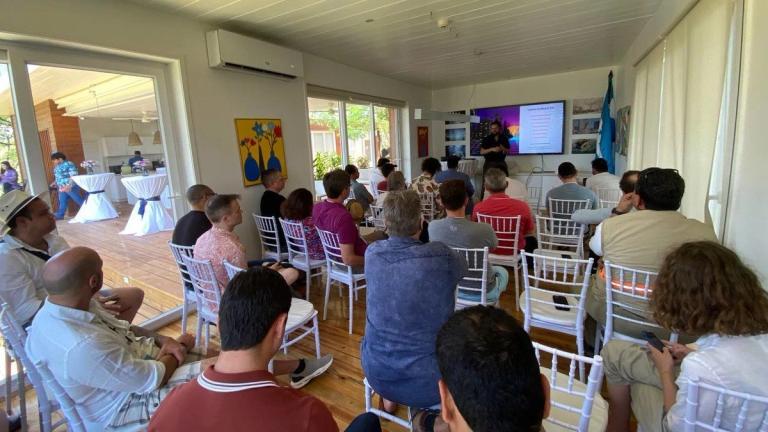
Blog2 min read
Tales From Cities #1: The Metaverse
What will cities look like in the Metaverse? No one knows for sure, but we can learn from the fragments of virtual cities that are already being constructed.
 Thomas Sevcik · arthesia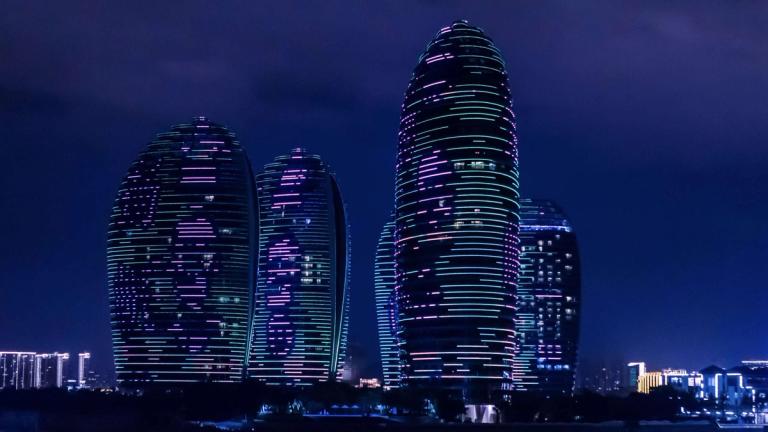
Videos
Doha Debates
Free Cities Conference 2025
Free Cities Conference 2025
Free Cities Online Summit 2025
Free Cities Online Summit 2025
Free Cities Online Summit 2025









Podcast episodes
Podcast Episode 196
Gareth Icke: The Panopticon Is Already Here
The digital panopticon used to sound like science fiction. Gareth Icke thinks we are already living inside the early stages of it.

Podcast Episode 194
Liam Martin & Nick Francis: Two Founders, Two Futures
A year ago, in Morocco, Timothy Allen sat down with Liam Martin and asked him what an LLM was. Liam, co-founder of Time Doctor and Running Remote, has…

Podcast Episode 193
Mark Frazier: Fifty Years of Watching It Go Wrong
Mark Frazier was made publisher of Reason magazine in 1970, at eighteen, when it had three hundred subscribers and was produced in the founder’s apartment…

Podcast Episode 184
Matthew Mottola: What AI Can’t Replace
Matthew Mottola on what AI is doing to work, the 40% layoffs he expects, automated workflows, and who you sue when the robot fails.

Podcast Episode 174
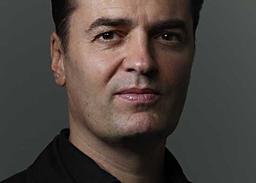
Patrik Schumacher: The Architecture of Spontaneous Order
Architect Patrik Schumacher on parametricism, why the built environment resists markets, and how Free Cities could enable bottom-up urbanism.
Podcast Episode 168
Vikram Bharati: At the Intersection of Free Cities & Network States
Vikram Bharati of Draper Nation on where Free Cities and network states converge, tribal governance, and experimenting with new political models.

Podcast Episode 158
Trey Goff: Próspera, Perception, and Post-Scarcity
Trey Goff, chief of staff at Próspera, on the city's real model, pushing back on conspiracy theories, and a legal framework for AI agents.

Podcast Episode 151
Susie Violet Ward: The Rise of Digital Authoritarianism
Susie Violet Ward on the UK's Online Safety Act, digital IDs and surveillance, and why Bitcoin offers hope against digital authoritarianism.



























Projects
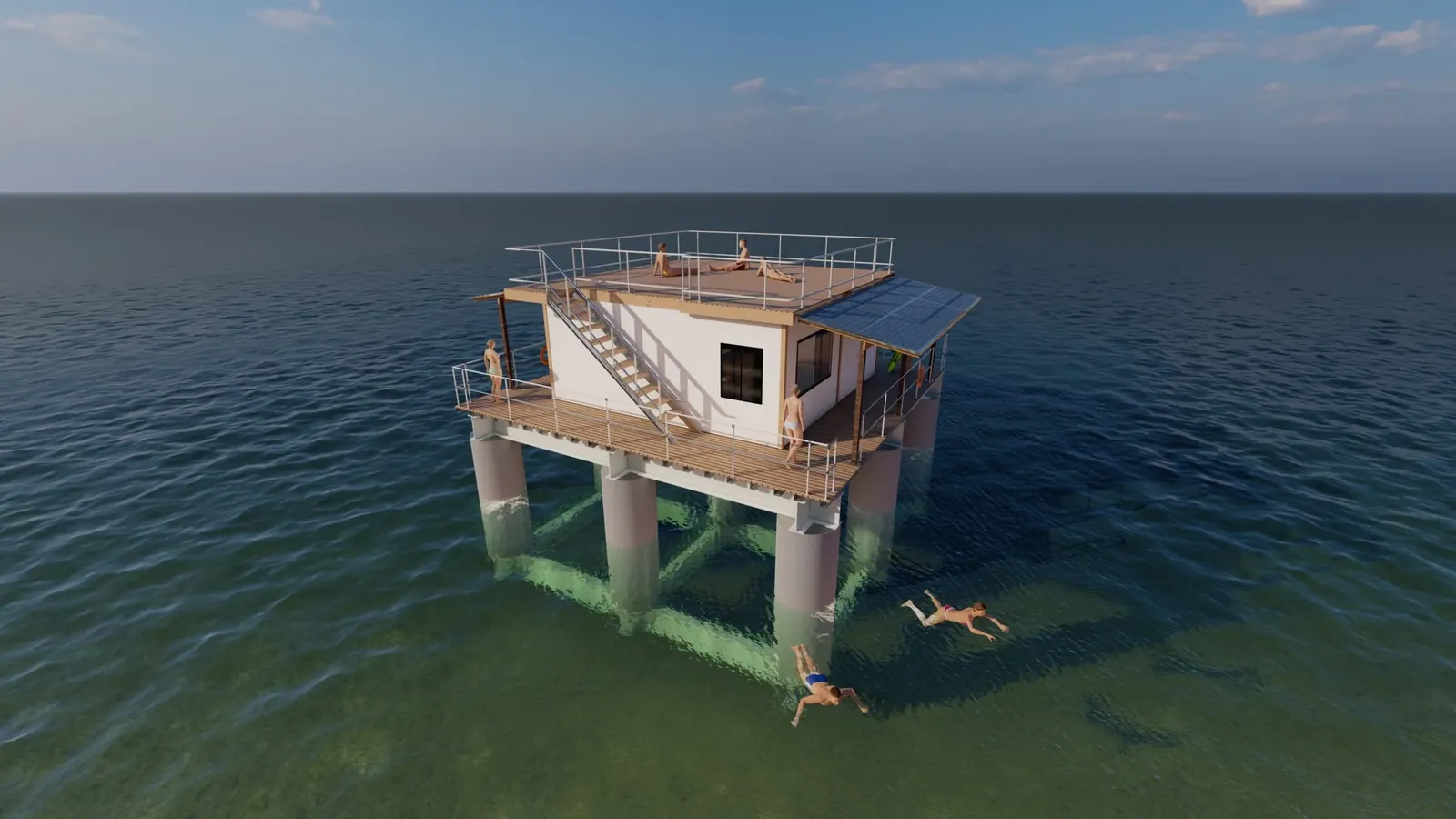
SeasteadOperational
ArkPad
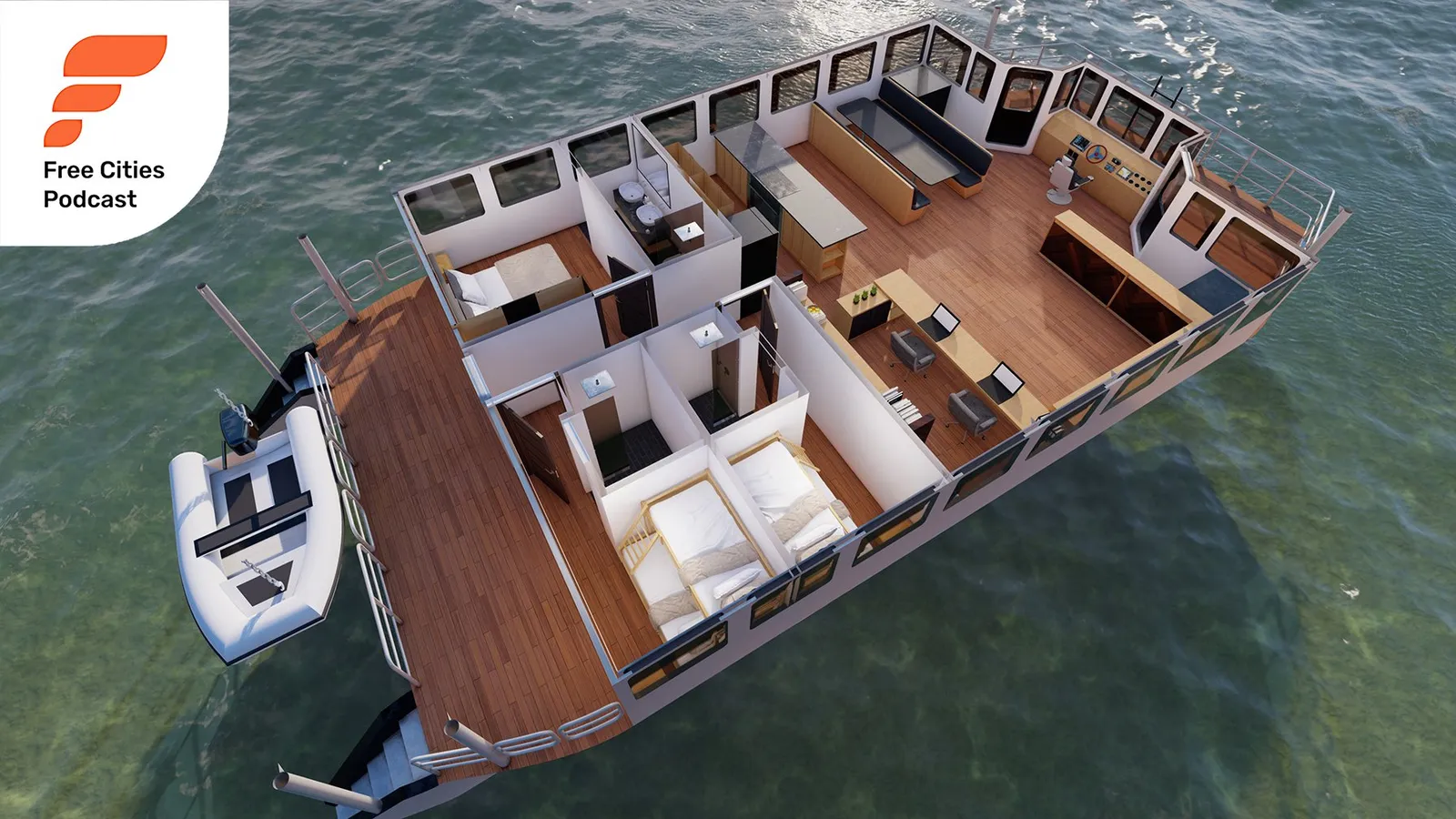
ArkPad is a naval architecture company in the Philippines that designs and builds floating platforms, aquaculture systems and vessels. Its floating home, its fish cage and its glamping unit are all in use at the Reef Resort off Samal Island, the first site it has built and runs.
Philippines
Intentional CommunityOperational
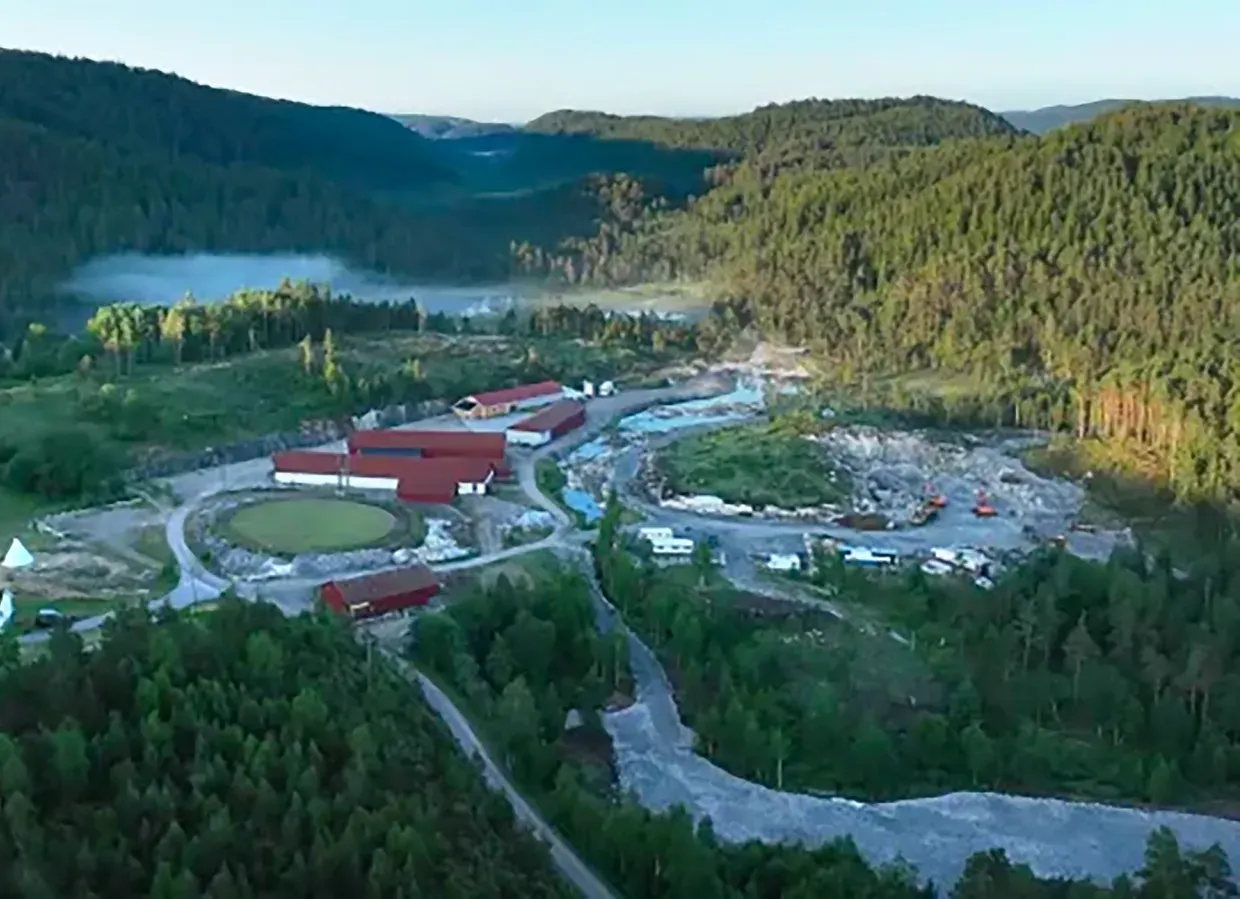
Liberstad
Liberstad is a private, member-based settlement in the Agder region of southern Norway, founded by John Holmesland and Sondre Bjellås as a community organised around voluntary cooperation, private property and the non-aggression principle.
Norway Under 50 residents
Intentional CommunityOperational
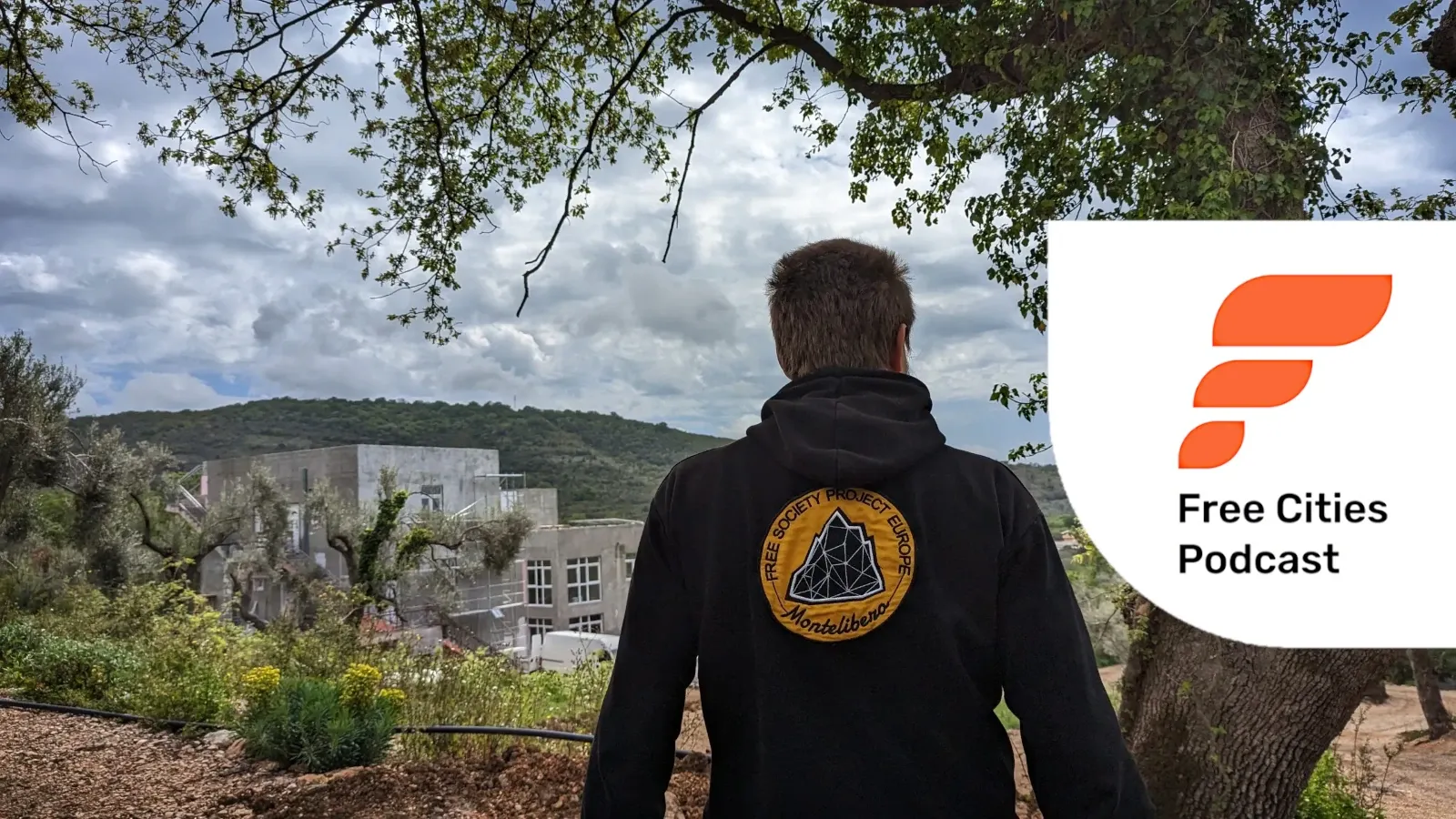
Montelibero
Montelibero is an intentional community of libertarians on the Adriatic coast of Montenegro, founded in 2021 by Russian-speaking liberty advocates and grown international since, with a settlement of its own, MTL City, near the port of Bar.
Montenegro 50–250 residents
Special JurisdictionOperational
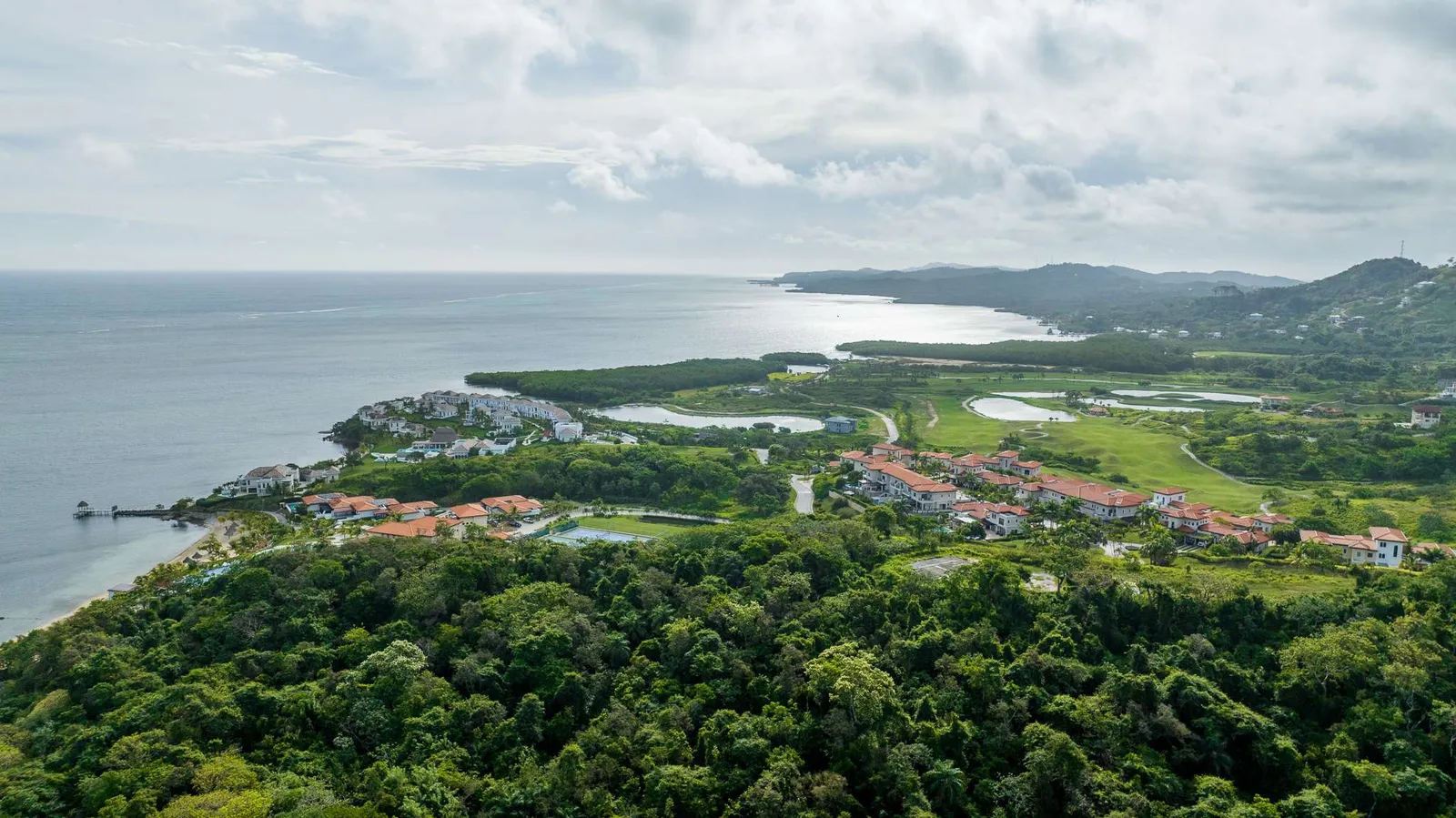
Próspera
Próspera is a special economic zone on the island of Roatán, Honduras, created under the country’s ZEDE law: a jurisdiction with its own civil and commercial rules, tax code and arbitration, built to attract entrepreneurs and new industries.
Honduras 200–500 residents
SeasteadIn Planning
Atlas Island
Atlas Island is a seasteading project, founded in 2021 by members of The Seasteading Institute’s community, that plans to grow in stages from an online community into a floating city-state of privately operated platforms in international waters.
At sea
Intentional CommunityIn Planning
Veritas Village - Atenas
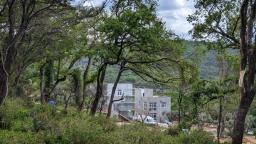
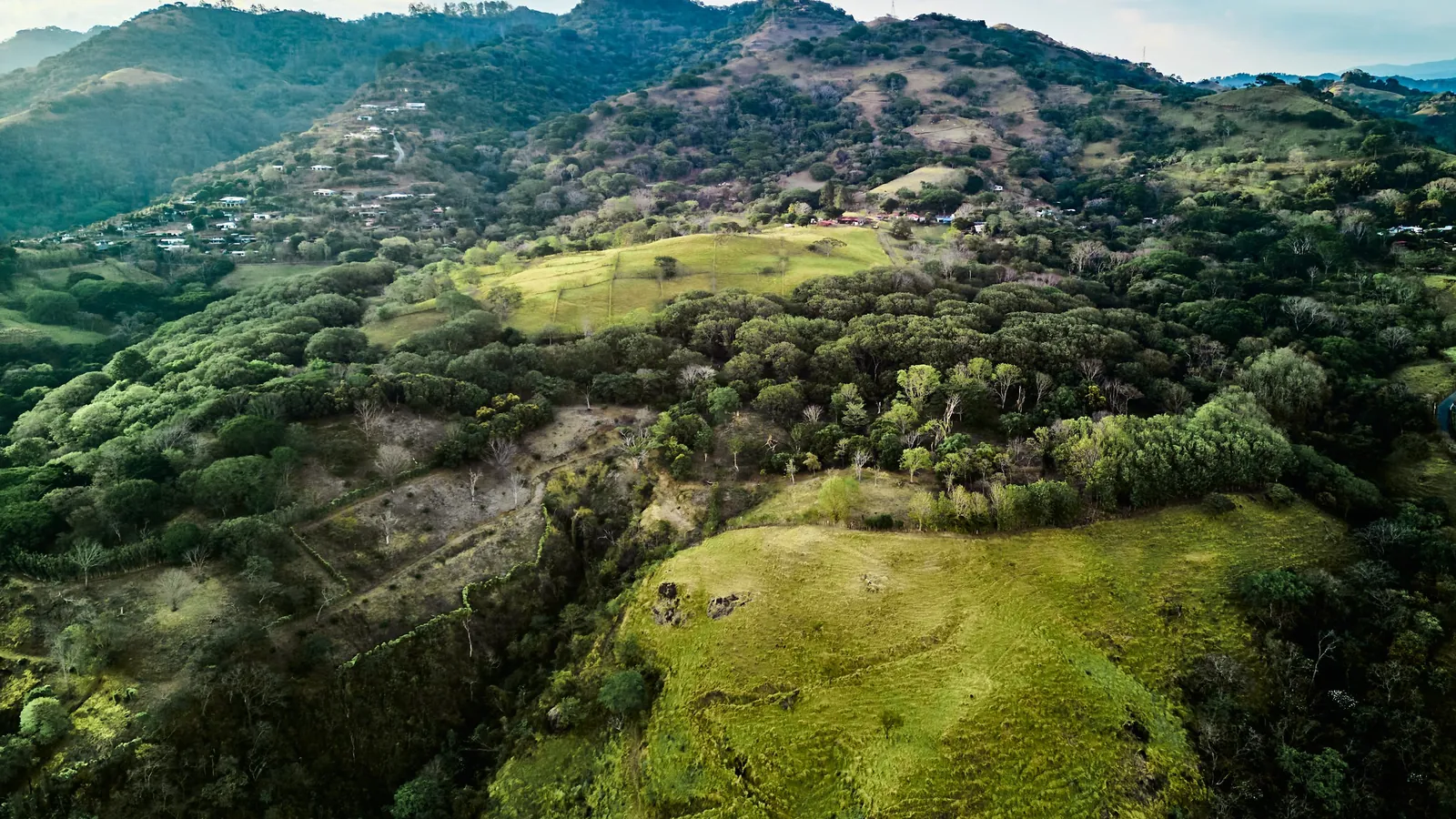
The largest of the villages by a wide margin: more than 340 acres of river valley and coffee land in the hills above Atenas, half an hour from San José’s international airport. Its master plan, dated July 2026, sets out a terraced house community, a denser European style village and a hillside hotel.
Costa Rica