
Episode 204Honduran ZEDEs
Dušan Matuška | Bitcoin, Energy and the Reality of Building a Free City


“We are getting vertically integrated. We're owning the land. We're owning the gas underneath. We're owning the pipelines, gas wells, and the power generation. So we are becoming a power company and creating our own power.”
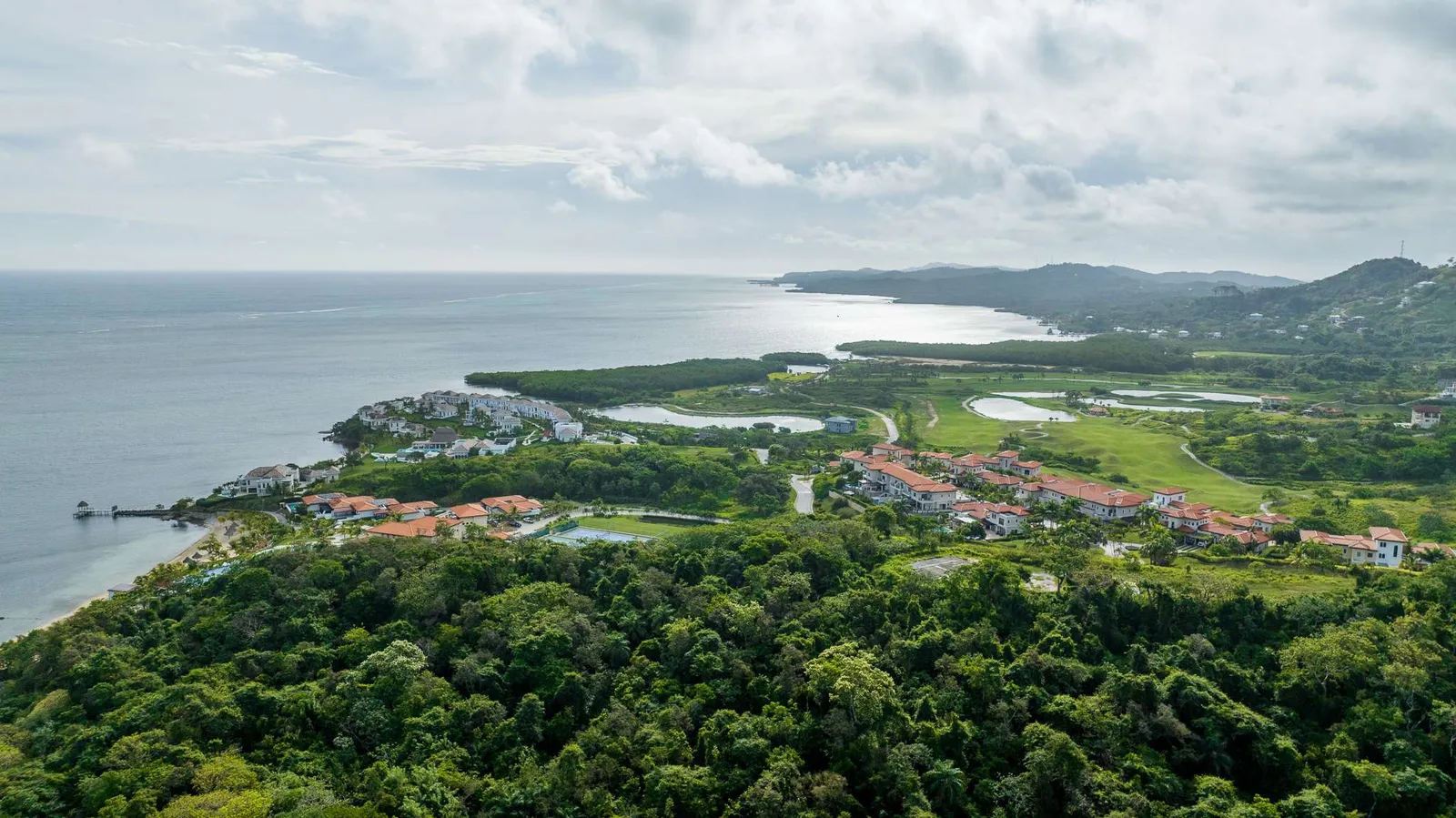 Próspera · Special Jurisdiction
What good is cheap electricity if you cannot rely on the people supplying it?
Timothy Allen catches up with Dušan Matuška, co-founder of AmityAge, in Próspera for a conversation about Bitcoin education, energy and the practical work of building greater independence.
Since his first appearance on the podcast, Dušan has taken the Bitcoin Educators Academy around the world and expanded AmityAge's mining business. Cheap power has brought expensive lessons. He explains why the company left Paraguay, describes the difficulties it has faced in Ethiopia, and sets out its plans to acquire gas assets and power-generation infrastructure in Alberta.
The conversation then returns to Próspera. Dušan distinguishes the advantages he has found in running an international company there from the challenge of sustaining a business that depends on local customers. Families, groceries, walkability, affordable premises and public trust become central to a larger question: what turns a promising governance experiment into a place where people choose to stay?
Timothy begins by revisiting their first conversation in San Salvador. Dušan's answer to a hypothetical year-long sabbatical was to travel and teach Bitcoin. He is now doing much of that in practice. Through the Bitcoin Educators Academy, AmityAge trains people who already understand Bitcoin to explain it more effectively.
The emphasis is on communication: listening, speaking in public, using analogies and handling objections without overwhelming somebody with facts. Dušan describes how questions differ between countries, including objections framed around Islamic teaching in Indonesia. Their discussion of intrinsic value and credit is an exchange of arguments, rather than an authoritative ruling on either economics or religion. He also explains the companion mining academy, which covers site selection, profitability, suppliers and the broader work of advising a mining business.
Dušan says AmityAge established operations in Paraguay and subsequently left. He describes problems with government bodies and power suppliers, alongside the difficulties the company has faced in Ethiopia. At the time of recording, he says its Ethiopian operations had been affected by substantial power curtailment. These are his accounts of the businesses and jurisdictions involved.
For Dušan, the lesson is that a low electricity price is only one part of the calculation. Reliability, counterparties and the ability to fix a problem matter too. He discusses district heating as one way miners can earn additional revenue in colder countries, and explains why he has become more interested in owning energy infrastructure.
In Alberta, the proposed approach is to control more of the chain: land, gas wells, pipelines, generation and the Bitcoin data centre. Dušan describes acquisitions under consideration, gas engines being purchased and the importance of local engineers with long experience in oil and gas.
Timothy's enthusiasm for the physical work is infectious. The conversation moves from scouting locations and building sites to gas engines, engineering and the appeal of working with competent people. Dušan explains the flexibility he sees in owning the underlying assets: depending on prices and available connections, a business may be able to mine Bitcoin, sell gas or supply electricity.
Dušan argues that the rush into AI infrastructure is changing the opportunities available to Bitcoin miners. He describes larger operators switching attention, second-hand mining equipment becoming more accessible and hardware suppliers seeking partnerships. He contrasts Bitcoin mining, where the network provides a market for the computation, with an AI data centre that needs customers, more demanding connectivity and much higher availability.
Neither speaker treats mining as an easy business. They discuss price cycles, buying equipment at the wrong time, financing infrastructure and the possibility of an AI correction. Dušan's market observations, forecasts and figures remain his claims at the time of recording.
Dušan speaks positively about using a Próspera company for international operations. The local Bitcoin education centre has presented a different problem: finding a business model that makes the building financially sustainable. He explains how education, mining business and over-the-counter services have fitted together, and describes plans for the premises to become a broader business centre while Bitcoin education continues.
They consider the gap between an attractive legal framework and the everyday conditions a small business needs. A corner shop, bar or restaurant requires customers and workable costs. Timothy compares Próspera with Ciudad Morazán, while Dušan argues that local entrepreneurs may be better placed to navigate the island's supply chains and operating conditions.
A grocery shop needs residents, but residents want a grocery shop before they move. Dušan suggests bringing a group of compatible families at the same time, with incentives for staying long enough to build a community. He also describes discussions about rents linked to business revenue, allowing the landlord to share some of the risk while the population grows.
Their questions become concrete: can people walk to what they need, buy food, find other families, use a playground and enjoy a good third space? They discuss sand flies as one practical frustration, and Roatán Brewery as Dušan's example of a business that combines a strong product with surroundings suited to the island. Timothy asks whether a founder's desired aesthetic can sometimes conflict with a cheaper business the market would support.
Dušan recounts a Bitcoin community fundraiser to renovate a basketball court, followed by a dispute over the Bitcoin logo painted on it. He describes difficulties separating Bitcoin's reputation from local perceptions of Próspera, and makes allegations about local political opposition and the Crawfish Rock patronato. The interview preserves his account; those allegations have not been independently verified.
Timothy and Dušan finish by discussing public relations, hostile coverage, journalism and the difficulty of changing an established impression. Their conclusion is practical: keep building, test what works and make the benefits visible. Legal autonomy creates possibilities, but a thriving place also depends on businesses, relationships and reasons for people to remain.
Guest links: Dušan Matuška on X | AmityAge | Bitcoin Educators Academy
Enjoy the conversation.
Key topics covered
- Training Bitcoin educators to listen, communicate and handle objections
- The Bitcoin Educators Academy and Mining Academy
- AmityAge leaving Paraguay and facing power interruptions in Ethiopia
- Owning gas wells, generation and Bitcoin mining infrastructure in Alberta
- District heating, stranded gas and the practical engineering of mining
- AI data centres, mining equipment and the risks of market cycles
- Using a Próspera company for international operations
- Making the Roatán Bitcoin education centre sustainable
- Families, walkability, groceries and reaching a critical mass of residents
- Revenue-linked rents and sharing the risk with small businesses
- Roatán Brewery and the tension between a founder's vision and market demand
- The Bitcoin basketball court, local distrust and public relations
Read transcript15,215 words
Timothy Allen: So Dušan, I had a quick, I got my clanker to check out what we spoke about the last time we spoke. Do you remember? We were in El Salvador.
Dušan Matuška: Yes.
Timothy Allen: About three years ago.
Dušan Matuška: Very true yes.
Timothy Allen: Um, you, you were there back in the early days of the podcast. And I have bumped into you a few times since. I see you a lot at BTC Prague things like that you know. But this is the first time we've actually got to sit down, so this should be a fair bit to talk about.
Dušan Matuška: Oh yeah.
Timothy Allen: I'll remind you what we spoke about, because I got I got a list here. Um, it was essentially Bitcoin, Paralelná Polis, or Paralelná Polis, Próspera and exit from the state, where he was then. You spoke in San Salvador just before he flew to Roatán preparing to move to Próspera. Was that right? So it was just before you moved.
Dušan Matuška: It pretty much I think it was 22 or 23.
Timothy Allen: Well, there you go that's that's uh Paralelná Polis you found co-founded the Bratislava version. Free Cities: he thought Free Cities and Bitcoin naturally fit together. Uh, Próspera political risk, because that was all going on then all the all the trouble with the government.
Dušan Matuška: Oh yeah.
Timothy Allen: Democracy, strongly sceptical. We'll see if any of these have changed. AML, sceptical. Um, yeah then there's some stuff about KYC. AML and KYC: he argued that centralised collection of financial and personal information creates enormous risk, which it does.
Dušan Matuška: It materialised very heavily in France.
Timothy Allen: Yes. Freedom of movement. This became a big section of the conversation. You discussed lockdowns, vaccine restrictions, personal carbon allowances, CBDCs, and the much greater difficulty of voting with your feet. It's funny, the whole COVID thing was much closer back then.
Dušan Matuška: Yeah. I feel so distant right now.
Timothy Allen: We were talking about it. I think everyone was talking about it quite a lot.
Dušan Matuška: Can you remind me of a year we did it?
Timothy Allen: Uh 2023.
Dušan Matuška: 23 okay.
Timothy Allen: Yeah, so it was, I mean, you know the world had opened up for for a fair amount, but it was still fresh in people's minds, you know. Um, Bitcoin has protest. Probably one of the strongest conceptual sections of the interview. Both of you contrasted street protest with building a parallel reality. Dušan described Bitcoin as effectively ignoring the legacy system rather than fighting it.
Dušan Matuška: We all are probably still there.
Timothy Allen: Why Próspera excited him. You discussed 3D printed construction, drones and biotech companies using Próspera to experiment more rapidly. For him this was evidence that governance competition could produce technological experimentation. His closing answer: given a fully funded one year sabbatical he said he would travel around the world educating people about Bitcoin. Oh, I remember back then I had this little gimmick at the end of each show, and I used to ask every guest if you had a fully funded one year sabbatical what would you do with it? Maybe I should bring that back. That was quite cool. I don't know. I just remember I just kind of, You said you would basically travel around the world educating people about Bitcoin which is what you do, right?
Dušan Matuška: Yeah, I'm still doing that. I'm fulfilling my dream since sport time 23.
Timothy Allen: He described the larger mission as separating money and state. Well that's interesting because one of the things I think this is actually one of the reasons why I stopped asking that question at the end, because most people I was speaking to was already was already doing that thing. And I kept getting the same answer the same that the answer was, well, um, you know, I am. I've chosen to do this. This is like being on a sabbatical. So, and, and you're exactly that. I mean you literally correct me if I'm wrong, but in those 23, 4, 5, so three years ago, in those three years you've spent your time travelling around the world educating people about Bitcoin.
Dušan Matuška: Very true. And actually, interestingly enough, uh the academy that I'm mostly travelling around the world to teach Bitcoin, we started in 2024, so after we had the podcast together. So it materialised and we did it in 25 countries so far, and I'm flying to Zambia, Nigeria, Lebanon and Argentina soon to do that.
Timothy Allen: What is that then?
Dušan Matuška: So it's called a Bitcoin Educators Academy, and, um, it's a three-day intense programmes that helps Bitcoiners passionate for education to teach them soft skill of teaching. So that's that's the main thing we're doing now.
Timothy Allen: And that that's your that's your Dušan and that's your thing.
Dušan Matuška: Yeah that's AmityAge.
Timothy Allen: What's that oh AmityAge because I know at AmityAge you you hadn't started when we spoke but did since.
Dušan Matuška: Um, so AmityAge as a company started 2021, so I had it when we spoke, but this this programme, the BEA, we call it Bitcoin Educators Academy, didn start it till 2024.
Timothy Allen: Right. Because I started this pod here and some of my first interviews were at the Bitcoin centre. I spoke to Zussel Ramos. Do you remember?
Dušan Matuška: Ariana told me yesterday that you've mistaken her for Zuzel.
Timothy Allen: I did. I was at the bar and she was serving drinks and I went, I know you from somewhere. And then I had to go and look back through the old episodes. But I hope, I mean, I thought she did look like her. Is that true?
Dušan Matuška: They kind of resemble each other.
Timothy Allen: Right, okay, okay, right. Right, so Bitcoin Education Academy is an offshoot of AmityAge?
Dušan Matuška: It's a project underneath. It's called Educators Academy.
Timothy Allen: Educators.
Dušan Matuška: Yeah, Educators Academy. It's basically our educational project, the flagship project we do for education. We didn't want to recreate the wheel of, like there are so many interesting, you know, Bitcoin curriculums and diplomas. We didn't want to do another one and just compete on it in front, but we wanted to do something else. So we can discuss that further.
Timothy Allen: Sure, we will. And is that bigger or smaller than AmityAge?
Dušan Matuška: That's kind of the same thing. It's basically a product. So AmityAge, we build data centres, We built power plants now in Canada. So AmityAge is growing and getting bigger. And from the education side of things, the main thing is the Educators Academy. But then we do like the data centre business. That's what really makes money for us.
Timothy Allen: And I got a feeling at the time you were looking into Paraguay. And I would imagine now you've gone full hard send into Paraguay, have you?
Dušan Matuška: That's interesting. We can discuss that. We set up the data centres in Paraguay and then we went out of Paraguay.
Timothy Allen: Oh, right. So it started and it's ended since we started talking. All right. We'll talk about that. That's interesting because I've spoken to a couple of people about Paraguay. And it's like the it place at the moment for so many reasons for people, it seems. And one of the topics was always that they've got so much hydropower.
Dušan Matuška: That is still true. But the government and the power companies are messing it up. So so many miners left Paraguay.
Timothy Allen: Is that right? Okay. Oh, shit. Well, where should we start then? Why don't we start with Bitcoin Educators Academy then? So you basically, is it a bit like what happened in El Salvador with my first Bitcoin? You create a curriculum and then you basically just export it around the world.
Dušan Matuška: Pretty much. It's not fully open source as a Bitcoin diploma, as my first Bitcoin, because it requires a teacher to know what they teach. So we cannot just open it up. We are getting new teachers in, but we need to train them over time to be able to deliver it. So we want to keep the same level of quality no matter where we go. And we are right now two trainers delivering it. So my friend is doing it in Asia now, and I'll be travelling to Africa. So all the knowledge that we teach there, people can take it and use it wherever they want. So there's no strings attached. But it's not like, here's a book, follow the book with your students, and you're going to get good results. So when it comes to soft skills, it is much more difficult. It needs a proper teacher.
Timothy Allen: And did you say three days?
Dušan Matuška: Three days, yeah.
Timothy Allen: Run me through it, roughly speaking. What are the main points you hit? It's always nice to know. What would be 101 on Bitcoin these days?
Dušan Matuška: So the three days focus on how to become a better educator. So it's not about like learning what is Bitcoin, but learning how to communicate Bitcoin properly. So we focus on how to handle objections, how to not be this firehose of facts and figures, how to listen more, how to do public speaking. So the first day is very heavy on speaking skills and communication skills. Then we go into how to handle Bitcoin myths, how to use analogies, how to structure presentations so people get inspired to change their beliefs. So it's very focused on the delivery part of education.
Timothy Allen: And what are the, you said there, handling objections. What are the current objections to Bitcoin? It's funny, I almost feel like three years ago, there was so many. I think we were probably in the thick of the environmental objections probably at that particular time.
Dušan Matuška: That's still on the plate all the time.
Timothy Allen: Right. Okay. But I think we have come a long way in three years. I think there are a number of ideas which were just starting to surface three years ago, like even the fact that Bitcoin mining is a massive net positive. That wasn't even generally, or the reasons why that is true weren't generally known. But maybe you knew it but your average person out there didn't acknowledge the you know balancing of the of the network and and you know buyer of last resort and all that kind of stuff what are the current ones that or even some potentials you can see coming up soon.
Dušan Matuška: So the ones that really went off are like oh nobody will implement it like the companies will not touch it and we saw over the last few years the treasury companies integrating it and so that objection is kind of off the table The ones that that are still there is definitely the environmental one uh people still not understanding how it balances the grid how it reduces the methane so this is actually what we're doing Canada we're reducing the methane from flared gas turning it into electrons and Bitcoin right um we are travelling to multiple countries as I said we did in 23 countries and every country has a different context and culture and different objections. So for example we are pretty surprised in Indonesia one of the major objections that people are getting the educators are getting is that Bitcoin is haram. And I was like what do you mean haram? It's like oh no Islam doesn't allow that. So I was like I've never heard that because we never educated in a Islamic country right. But this was very important for the educators to have a solid argument to dismantle it. So that was something very important for them. The general thing is like Bitcoin has no intrinsic value. And then we teach the educators to better ask the person like what they think is intrinsic value. Like what does it mean? So just to define the terms first and then you can have a conversation. Because some people are like immediately fighting it. But if you define properly what intrinsic value is, you can agree that Bitcoin does not have an intrinsic value. Because it doesn't produce cash flow. And from financial terms, that is what intrinsic value requires. So then you can switch the communication to the utility of Bitcoin and usage of Bitcoin. So these are kind of the nuances that we're doing there.
Timothy Allen: What's the haram argument then? I've never heard that one. Why is Bitcoin not haram?
Dušan Matuška: So by people saying that, they're like, the main argument is that you shouldn't make profit on it.
Timothy Allen: As in like when you can't lend money out in haram.
Dušan Matuška: Yes, so there is something in regards of lending, credit, making profit that is the haram part. I'm not professional on that. I'm not like a...
Timothy Allen: Can I guess what the comeback is? That when Bitcoin increases in value, it's not a zero-sum thing. There's no loser of money. Whereas if you're lending money out, you're basically taking back more than you lent out. So there's that, because I think under Haram Ideas, that's not allowed you. You're not allowed to lend money and take interest, basically.
Dušan Matuška: Yes, that's kind of my argument.
Timothy Allen: But that is zero sum. That means someone loses money. The person who's paying you interest loses money. But when everyone's price goes up.
Dušan Matuška: I would even disagree with that, because if somebody is getting a loan, they suddenly value the amount you give them plus the interest that they will pay more. And they want to do a business to earn more than the interest. And then pay you back. So for them, it's a voluntary exchange. So for me personally, and I think for humanity in general, credit system is a great thing. I think even in Bitcoin standard, there will be credit. The problem is when you're loaning more than you have, and you're pretending you have it all covered, and you don't. It's like fractional reserve banking. So that's actually the argument that we are bringing to these discussions. Like, okay, let's look at the banking as it is today in every major bank in the world. And let's look at if that is haram or not and suddenly you know there are some rules that people like yeah that's okay because it's the government and so on and you know it's good to bring the the legacy system in and like look very closely on it under the same microscope.
Timothy Allen: Right so I get it so the educators programme is about creating new teachers of Bitcoin and what do they do after that go out and create their own I don't know.
Dušan Matuška: Yeah they they create their own uh consultation services they go to schools and teach. They create their own podcasts, YouTube channels, newsletters, magazines. So each and every one of them is different. And the principles we're teaching are applicable across multiple platforms that they are using.
Timothy Allen: Wow. And what do you say? 23 countries?
Dušan Matuška: Yes.
Timothy Allen: Bloody hell. How do you work that out? Do you just connect with Bitcoiners in each country and then just use that as a way in?
Dušan Matuška: Pretty much, pretty much. And yeah, I connected with them on conferences and I tell them what we do. And they're like, hey, we want this for our community. And then we just figure out the details. It's a paid programme. And we want to keep it that way. Because I have a saying that if people don't pay, they don't pay attention. So I believe that if people at least pay something, suddenly their focus is 10x, the amount that they would be like, oh, it's a free programme. So they would just come and go and not focus on it. So we are getting also some grants for it so that helps us to sustain it. But otherwise, it's a paid programme by participants. So we cover our cost, we make a profit on it, and we can sustain it.
Timothy Allen: And your most eye-opening places you've been where you were surprised about how receptive people were or something? I don't know.
Dušan Matuška: I was very surprised by India. We did it in September last year. And the amount of knowledgeable Bitcoiners and super passionate and engaged Bitcoiners was phenomenal. There was a conference called BitPlebs. It was a small one, maybe 200 people. But the quality of discussions I had were pretty unmatched Like extremely passionate educators there wanting to get deeper very knowledgeable So I was like wow So we did a Bitcoin mining academy That's something that we're doing as well. It's a project we started last year. And back to back, we did it with the educators academy. So it was like a six days of heavy training with it. So I was pretty exhausted.
Timothy Allen: Right. Training people how to set up a mining operation.
Dušan Matuška: How to understand mining better and how to become a mining consultant. So how to understand not only the machine itself, but how to calculate efficiency, profitability, how to choose a site, how to choose a country, what to look at, how to deal with customs, suppliers. So kind of like the broader picture of the whole mining ecosystem so that they can advise some people. They can say, oh, don't go here because these are the reasons or just this is better for you. So that's kind of the, again, three day mining academy, very heavy and morning 8am to 6pm.
Timothy Allen: And what's the mining landscape like these days then? Sounds like Paraguay is a no-go for miners now, which is a bit of a shame.
Dušan Matuška: Yeah, it is a bit of a shame.
Timothy Allen: Do you want to go in? Give us the mining landscape and then just go into why Paraguay has taken a hit.
Dušan Matuška: So mining landscape. Europe is pretty dead on mining. Some Nordic countries still trying, but there are so many regulations. There are socialists up there. So it's very difficult. In order for you to be profitable, you need to do something called district heating. So you need to use your heat from the miners to heat houses, warehouses. So then it kind of makes sense. And people are doing that? People are doing that. Yeah, yeah. There are large companies doing that. There is a company that's heating 5,000 houses in Finland. So it's a really great...
Timothy Allen: With a mining farm or a mining operation.
Dušan Matuška: Yes.
Timothy Allen: Wow. But that's quite a lot of extra infrastructure, right?
Dušan Matuška: Not that much, to be honest. Because if you have hydro-cooled miners, the output is hot water.
Timothy Allen: Hot water.
Dušan Matuška: And you either cool it down and run it back. Or you just supply it to the district heating company, they're very happily buy it from you because they pay less to you than they would otherwise spend for heating it up. And you're getting suddenly paid like an extra revenue besides the Bitcoin you're mining. So it's a very win-win cooperation.
Timothy Allen: Wow. Where else then?
Dušan Matuška: So Africa, we are right now in Ethiopia. So we have two data centres in Ethiopia, which are not going the best. There are a lot of hurdles. The governmental entities are fighting each other and we are kind of in between as hostages so actually I just finished the call right now with our with our local partner that we are you know figuring out what to do because for a few weeks we are offline and we just can't mine there so it's rough in Ethiopia.
Timothy Allen: Are you when you say you set up in Ethiopia are you taking the same miners from Paraguay shipping them over there setting them is that how it works or do you just get a whole new setup?
Dušan Matuška: We did both so we moved about 600 miners from Paraguay to Ethiopia. We sold about 700 in Paraguay and then we're getting new ones to Ethiopia. So we have about almost 3,000 miners in Ethiopia now.
Timothy Allen: But it's not going well?
Dušan Matuška: Currently no. Currently no. There are also curtailments because of the El Nino, which decreased the level of water in the dams. So they are curtailed us to just 23% of the whole power. And for a miner, 23% is not sustainable.
Timothy Allen: And is your business model looking for hydro? Is that the main business model for someone like yourself?
Dušan Matuška: Honestly, not now. Because with hydro, the power plants are pretty centralised. And if there is any volatility in the water levels, you might get cut off like that. So our main thing that we are doing right now, we are basically getting vertically integrated. We are owning the land. We're owning the gas underneath. We're owning the pipelines, gas wells, and the power generation. So we are becoming a power company and creating our own power. So we're turning the stranded molecules of gas into electrons and into bits and bytes.
Timothy Allen: But you mean, but you still have to find someone who's already extracting. What is it? What is the, what are they extracting to begin with?
Dušan Matuška: So it's, there are gas wells, oil and gas. Oil companies have gas as a side business. And sometimes they even give you gas for free because they need to pay extra royalties on it and getting rid of the gas because their main focus is oil and just gas comes out with that. So they're very happy to give it to you and you take care of it. You kind of lower their burden and you have free gas. That's one way. The other is buying out the gas well. So integrating everything into a one pipeline system and then you own all the assets for that. So suddenly nobody can turn you off you are fully responsible so if you some if you mess up something it's your own fault and you can solve it but but suddenly you're you cut out all the middlemen in a way that can mess it up for you so you have all the responsibility on your shoulders which for me I like it much more because if I mess up I know it's my fault and I need to fix that but if the agency tells you hey sorry you know um we cannot give you power it's pretty impossible.
Timothy Allen: That's amazing so you're now at the where you're buying gas wells for yourself.
Dušan Matuška: Yes, we might be actually acquiring an oil and gas company in upcoming weeks.
Timothy Allen: Wow. That's amazing, dude. I mean, you're a bona fide large-scale miner now, right?
Dušan Matuška: Yep. I would still call it a medium-sized because for me, large-scales are like the big public traded companies, but we are slowly getting there. And I was just buying gas engines for a million dollars last week. So we are going heavy.
Timothy Allen: I am genuinely happy for you, mate, because that's so cool. So, wow. And that's Canada. That's where you're doing that?
Dušan Matuška: Alberta. I think it's the only province that makes sense to do mining. All the other provinces are pretty socialist, and they don't like mining very much. But Alberta is very based. There's a lot of competent people. Oil and gas is established there for decades. And government actually heavily supports that. And the reason for it is they cannot export gas south to US. They cannot export it to the West to build some gas ports. So they are very happy to use the gas in-house. So they're opening their doors to miners. And not only miners, but AI data centres. So a few weeks ago, Meta announced a $13 billion project there, a huge AI data centre in Alberta. And main source of power is gas. It is trended. It's huge amounts of gas. And this can monetise the economy.
Timothy Allen: Well, is stranded gas they're running the data centre of?
Dušan Matuška: The big one, not on a stranded. That would not be enough. So they run it in a pipeline gas. So you have a great quality constant input of gas. We as miners, since our data centres don't need to be that high-end as AI data centre, we can go to more remote locations. We can put up Starlink. Our uptime can be 95% and we are extremely happy with that. For AI, you need to go 99, 99.5 and above.
Timothy Allen: All, it's funny, because when when when I just before I started this podcast four years ago, whatever I was trying to, I, I've always wanted to work in mining, and by that I mean Bitcoin mining. But not because it's Bitcoin necessarily, but obviously it is, but because I love working with my hands. And, and I just looked at the whole mining scene and thought, what an amazing job.
Dušan Matuška: Oh yeah.
Timothy Allen: You basically spend your life looking around the world for the right location you go out there you wreck it you're driving around in four-wheel drives you're doing all this stuff then you actually get to build it.
Dušan Matuška: Yeah.
Timothy Allen: With your hands. And then you get all the electronics and the technical stuff, and it's like this is my dream job. And I did reach out to a load of miners you know. But you know you really they wanted, It was mainly happening in America. All the stranded stuff was mainly happening in America. I even contacted some oil companies in the UK because we've got our offshore oil rigs.
Dušan Matuška: Oh no yeah.
Timothy Allen: But no chance they they didn't they didn't even want to talk or when I thought it through the actual implications of putting miners on offshore rigs is completely different from what you guys do which is basically set up a hut next door.
Dušan Matuška: Yeah.
Timothy Allen: You know it's not like out at sea it's not built on the side of something so the insurance implications are completely different.
Dušan Matuška: Easier yeah but I can hire you one day maybe.
Timothy Allen: No it's still my dream job I think if you're a guy and you like Bitcoin and you like the outdoors I think it's the perfect job.
Dušan Matuška: 100% yeah.
Timothy Allen: Yeah, I'm super, I'm genuinely happy for you, mate.
Dušan Matuška: In the last few months, I got so excited about gas engines and the whole engineering around it. Man, like you wouldn't believe, like, I love to work with my hands. I used to do when I was a kid, I was always locked in my dad's garage and building planes and ships and like a bunch of stuff from wood. And now with the mining, and especially with the gas mining, like you're suddenly seeing the engines. Our partner is flying tomorrow to look and inspect like 10 megawatts of engines that we might be acquiring. And the whole, you know, just seeing the engines. You probably read Atlas Shrugged, right?
Timothy Allen: Yeah, yeah.
Dušan Matuška: And like the engine was like the big thing in the book, right? And right now I'm rereading Atlas again for the third time and just reading about an engine and everything that it implies. It just makes me so excited because it's like the human ingenuity in a physical form, right? Like you're turning these molecules into sustainable rotational movement and then electricity. It's fascinating, like what humanity is capable of doing and building so just seeing the engines I'm right now learning all about that about gas oil so I'm just going down the rabbit holes of this I'm watching Landman which is the series.
Timothy Allen: I know you know.
Dušan Matuška: I love it I love it and I'm just watching the the episodes and suddenly there's some lingo I don't know I just stop it I go on Google I clawed it out and I'm like man this is so fascinating so I totally agree.
Timothy Allen: Also it's it's you know the kind of people you you meet in the oil gas world are solid guys, you know, and that's my dream. You know, that's the place I want to be. What I was thinking was, if you buy a whole well of gas well, does it all go into Bitcoin mining or are you buying the tankers now so you can actually sell it as well sell off the other stuff or the exit.
Dušan Matuška: We go all the way to Bitcoin mining And the good thing about owning the assets the energy assets is that right now the price of gas in Alberta is pretty low And it's been like that for some time. There are some expectations that the price will increase, nobody knows when, but if it does, and if for any reason at that moment, it's much better to sell it to the pipeline, we can suddenly decide to just build the compressor and put it to the pipeline for a while and then get back to mining or we can sell electricity to the grid. So right now, if you own these assets, you are basically hedged against the volatility of Bitcoin because you know that people still need electricity, they still need the gas, so you can then choose what's the best option for you. So it's much better than just building the data centre for Bitcoin, connecting from the grid and if something happens you disconnect and you're waiting because you don't on the generation asset, right? So this is kind of the play we are playing for upcoming decade. There are some opportunities in upcoming year or two for solar mining as well when the battery storage gets better and it's already on track of getting cheaper and more efficient. And so we, in Alberta, Calgary especially is the most sunny city in whole Canada. So deploying some solar farms for mining would make sense. Not right now. Right now the best play is the gas, but the solar might open up in some time.
Timothy Allen: And do you pull the gas out, store it on site in big tanks and then use it or do you just use it as it comes out of the ground?
Dušan Matuška: As it comes out, it goes directly. You need to check the quality if there's no H2S so you just need to make the gas to a good condition so the gas engines are not stressed or messing up. But yeah, you basically take the molecule just treat it a bit run into the engine it spins, create electricity, and here's your Bitcoin.
Timothy Allen: Shit. And what about partners? Have you got, do you know a bunch of guys who come from the oil and gas world? And now you're working, because it's not, you know, the Bitcoin side of it is probably the simple side, isn't it?
Dušan Matuška: Yes. That's very true. Yeah, the oil and gas is like the tough part. So we partnered up with a couple of local partners, engineers that were running sites for decades and they have extremely good knowledge of oil and gas because that was not our our knowledge we used to when we started mining in Slovakia we used to use a biogas so it was kind of similar but it was created from different processes than from the earth but the engines were similar um but yes we knew that we don't have that knowledge we want to partner with somebody very knowledgeable so right now we are building the team and the partners we already have are like like extremely knowledgeable people. Like the amount of competency I met in Calgary, like in Alberta in general, is tremendous. I'm getting so excited for people who know what they're doing. They are delivering. They keep their words. They're just like, they're doers, builders, engineers. It gets me so excited for humanity.
Timothy Allen: It sounds like you're juxtaposing that against what happens in Central America.
Dušan Matuška: Well, yes, yes.
Timothy Allen: Well, you've spent a lot of time here recently, haven't you?
Dušan Matuška: I did.
Timothy Allen: Yeah. I just thought of another question. God, I'm asking so many questions about mining. What was I going to say? Oh, yeah. So you're doing the teaching alongside this.
Dušan Matuška: Yes.
Timothy Allen: That seems like quite a lot of work.
Dušan Matuška: It's a lot. I mean, I'm travelling a lot. I'm trying to minimise it. That's why I have other trainers in the process that can take over my work. So I don't need to visit every single country myself. And that's why I'm also building a team in Canada that's capable of doing things. So my colleague moved there right now with his family for at least three months. And we just had a call today in the morning. And he's the one on the ground with our partners. Yesterday, we were racking new miners, like one megawatt of S21s and plugging them in. So he's the guy on the ground, extremely knowledgeable. He has skills from deploying sites in Norway, hydro-cooled sites. So yeah, I mean, really, I cannot make this alone. It's not possible. So I love to have competent people on the team.
Timothy Allen: That was a question I was going to ask. What do the local guys up in Calgary make of what you're doing with the gas?
Dušan Matuška: Sorry, what?
Timothy Allen: The local guys you're working with up in Calgary. What do they make of the fact that you're mining Bitcoin? Does it make sense to them?
Dušan Matuška: Yeah, yeah, it does. We met a couple of people who, I would say, older generations from like oil and gas, 40, 50 years. And they already understand the play because they understand that selling the gas to pipeline doesn't even make them enough to cover their costs. So it's like, it's kind of painful. They don't know what to do with the gas. And suddenly when mining comes in, like that revenue makes sense for them. So we can buy it for much more than the pipeline would give them and offset that gas directly locally, even without piping it. So they would probably, they would need to build a pipeline to connect, by compressors. And with us, they don't need to do that because they just consume the gas locally on site So few of them are pretty sceptical because they had some bad experiences with Bitcoiners and miners in the past that were just coming going leaving But that's why it really is important to build the long-term relationships. And when we told them like, look, we're not here for a day or a week or a year. We want to acquire the assets. We want to be here long-term. We want to play the long-term game. They're like, wow, this is the approach that we appreciate and we want to work with you.
Timothy Allen: Yeah, sure. Buying thing. I used to, whenever when I was looking into it years ago, the main things that used to come up were the difficulty in getting miners, and the volatility of the price causing you to have to make all these weird hedges against the price of what you're actually mining. Is that got any better?
Dušan Matuška: Well there's an interesting situation now. A lot of big publicly traded miners are switching slowly to AI because they have the capital for it and there is much more revenue in it. But it's super complicated. It's like next level thing. And the benefit for us is that they're disconnecting their miners that they had. So suddenly the good quality secondhand miners getting cheaper and suddenly the difficulty even is dropping. So it's more profitable to mine Bitcoin, right? So since January, the difficulty dropped by like 15%, which is great. This was never the case. It was always going up, even though the price was dropping because all these big guys had contracts they need to fill out. So they were racking the miners as much as possible. What is happening now, the big producers of the miners that are also producing GPUs and AI hardware, they don't have a lot of buyers for the new miners. So They're willing to enter joint venture agreements with us, bring the hardware, we do a profit split, so we have a pipeline of more than 100 megawatts of mining hardware that the guys are like, hey guys, we want to work with you, just prepare the racks, prepare the power plants, we will bring the miners. So right now our main play is how to get as much funding as possible so we fulfill these contracts and we can buy the gas engines, buy the power plants, all of that, build it out and rack those miners. So we are investing into long-term infrastructure and they have the short-term infrastructure, which are the miners that will take maybe three to six years to operate and then you need to replace them, right?
Timothy Allen: And they're all still coming out of China though. Is anyone else making miners now?
Dušan Matuška: There was a company that was a US company, but they actually pivoted heavily from miners to AI right now. So it's pretty difficult to build those anywhere else. So yeah, still Taiwan, China, main factories for the miners.
Timothy Allen: We better talk about AI then. Why is AI more profitable? Literally just hosting servers for AI companies more profitable than mining Bitcoin.
Dušan Matuška: One reason is that you see what's happening with AI. It's booming. Everybody wants to get the new models out. So you need a lot of inference. You need a lot of hardware to calculate real time when you put something into cloud. It's happening in the cloud, in the data centres. And you need hardware and almost 100% uptime for that. And the companies who are fighting right now to become the best ones are heavily paying on it. So they have VC money from selling their stocks and they're heavily deploying that into making sure that they win this race. So the revenue is there. You need to have an offtaker, meaning a client that puts their machines there, their AI hardware or is willing to do the computations with Bitcoin you don't need it because Bitcoin is your client right so anytime you plug miner in Bitcoin is there and will pay you so that is the very easy part in AI you don't have that if you buy the hardware you plug it in suddenly you're like okay who's my customer who's going to pay me for that that's that's rough to do it and since there are so many more risks involved the prices are much higher as well I think it will plateau in a way or maybe there will come a correction. So that's why we are slightly hesitant to play AI game but we have two sites in Canada that are extremely AI ready that we can build out because they are sitting on a 100 megawatt pipeline connection, 100 megawatt grid connection and on the fastest fibre backbone of the whole Canada. So you need a special occasions for AI data centres to really be used by these companies. So you cannot go too much trendy, too much you know remote.
Timothy Allen: Presumably the AI, um, trade will cycle back as well? Because it is it is bubble now. It is a, But I mean I'm not saying necessarily that's necessarily a bad thing. Very natural for it's very natural to be a bubble, but it is a bubble.
Dušan Matuška: Yeah we saw it in the Bitcoin price it was decreasing while the capital was moving and flowing out of Bitcoin as the risk asset into the riskier asset AI so uh And there will be a correction, 100% sure. But the tools are useful that the guys are doing. It's not just like some vaporware. It's like I use it every day and it helps me tremendously. So there is value in it but there will be winners and losers And now I think in upcoming few years it will be determined.
Timothy Allen: Well you playing the trade mate You literally playing the correct trade You mining more at a cheaper price now And by the time it cycles back, you'll have the price of Bitcoin go up at that point, won't you?
Dušan Matuška: Yes, yes.
Timothy Allen: No, but this is what I discovered when I looked into it originally, is you really need to know what you're doing to mine because of the price volatility and because of the cycles of you know the four-year cycle.
Dušan Matuška: Yes.
Timothy Allen: And what inevitably happens is people get wrecked because they get they get the cycle wrong. It's like people that go and try and trade. They get it wrong. Most of them lose money. It's the same in mining. You end up basically buying high and selling low you know. You mine it mine it when it's expensive, and then you you go out of business when it drops and you have to sell everything.
Dušan Matuška: Yeah, it happened to a lot of miners that I know as well. So it's not an easy business in this way, and it's very hard to predict. So we're also, I would say, in a risk environment. But we believe that this is the right play to go with. And that's why over the last five, six years that we've been mining, we're slowly getting into owning the whole infrastructure. And the engines, you can use them to create power for AI later. So that's an asset that can be easily sold and interestingly enough if you buy an engine and connect it on the on the gas that you package it and you have an offtaker either a Bitcoin data centre or anybody else the value of that engine can go three four times the purchase power so then you can leverage it you can collateralize it in the bank and you're getting more than you paid for it and then you have liquidity to buy new stuff. So the assets are very valuable once they are connected and there is a longer term contract of power production. So this is also a very interesting thing that I found out just kind of recently and that is helping us to finance everything as well.
Timothy Allen: Yeah, it was the same with miners, wasn't it? When you're in the height of a bull run, you could sell miners for a massive profit I mean it's it's an obvious trade if you can do it because you're you're you know you if you know enough about Bitcoin cycles and just what you know you've been in it a long time you get a sense when you're getting somewhere near a very big top.
Dušan Matuška: Yes.
Timothy Allen: And you just start if you you know you start selling if you own Bitcoin and you want to cycle through it you sell a bit of it there or if you've got miners you can get rid of them there.
Dušan Matuška: Yeah, it's, it's an amazing thing. I'm absolutely fascinated by the whole thing. It is, it's like a new industry that just sprung out of nowhere that is so aligned with market incentives and stuff that you can learn so much about the human condition from just watching how to do business in the most cutthroat business. It's probably one of the most cutthroat businesses in the world.
Timothy Allen: It is because you see global competition instant like results from your mistake if you make a mistake it's instantly there for you.
Dušan Matuška: Oh yeah.
Timothy Allen: Or like you say, you plug in, you're making money. But that doesn't mean anything if you spent too much on the miner and the price of Bitcoin is too much.
Dušan Matuška: Yeah, you can get wrecked, yeah, 100%.
Timothy Allen: Crazy, man. Awesome. So you're in Canada. I'm going to keep talking about mining for a bit because I love it. Are there any other hotspots around the world anymore?
Dušan Matuška: I know some guys who are deploying 100 megawatts in Bolivia, but Bolivia falls, in my mind, to a category of Ethiopia, Paraguay, and I don't want to play that game. And I don't want to do any weird deals behind the backs and like paying these guys. No, that's not how I want to do business. So we were offered to go to Kazakhstan as well, but it's super complicated, super centralised. You need to sell your Bitcoin to like a governmental approved entity. So a lot of uncertainties. And anytime I hear like, oh, you need to know the right people. I'm like, no, no, no. This is a huge red flag for me because the right people can change. And like, it's no. So honestly, U.S. Texas is still big. And right now the bigger miners got kind of messed up by a new legislation that is giving them some hard time. So we already see some of the Texas miners thinking of Canada as well and already moving there. I know in Wyoming there are some miners. So there are folks around. U.S. Is still pretty big. I know some miners in Africa and other countries, but they are getting messed up as well.
Timothy Allen: Basically the free world, I guess.
Dušan Matuška: Yeah, yeah. So hopefully that will stay. I don't know if the Western world will not go completely nuts.
Timothy Allen: And what about Roatán and Próspera and all that? How much time do you spend here? Is it your base or are you all over the place?
Dušan Matuška: I don't think I ever have a base, or I would call Slovakia still my base because my family is there. I spend maybe six months of a year in Slovakia and the rest I keep Roatán and travelling. So in Roatán, I'm roughly four to six months of a year and the rest I'm doing the academies around the world. So it's one of my bases. Is Roatán, which might decrease time-wise because of Canada. So I'm flying to Canada in a few days, my girlfriend's going to come there for the first time ever and I want to get her excited for it. She loves mountains, so I think she's going to love it and Calgary and the Rockies next to it is beautiful. So if everything goes well and if my main business is in Canada, I might spend much more time there. So then probably Roatán will decrease since you cannot do mining here. But I was speaking with Próspera that maybe we can help with some energy projects here. So maybe I can come back again more when we do some energy stuff here. So let's see.
Timothy Allen: Well, someone needs to create energy here, don't they? Because there's a monopoly on the island at the moment.
Dušan Matuška: It is, it is. And honestly, the guy who's doing it here, he's a billionaire. So he's a self-made guy that was working as an engineer on oil rigs and he built pipelines. So he's really a guy who knows what he's doing. I think RECO, the local power company, is run extremely well. I think it's one of the best businesses or not the best business on Roatán. It is a monopoly, right? So he did his job. He invested capital. He can charge kind of whatever he wants and then it's up to people to either buy it or do something on their own. But there's not a lot of people who know what they're doing when it comes to energy. So definitely a other player would be helpful. So a healthy competition would work. So I believe Próspera can step in this game. And I think they are thinking heavily about doing something like that.
Timothy Allen: You've been living here on and off for quite a long time now. So give me your opinion on what's going on. The timeline, how far they've got, what are the problems, what are the upside, downside? What do you think of Próspera? Obviously, you can be diplomatic if you want, but don't necessarily. I'm interested in understanding, because everyone that comes here has issues, obviously. The question is, are those issues relevant? Are they relevant? Like, obviously, complaining about the coffee shop, not too relevant. That's probably going to get sorted. But not being able to start a business because I can't do it, that's a problem. So what's your experience and what do you think the pros and cons of being here are?
Dušan Matuška: People are asking me this week about that, how is running a company in Próspera. And we've been running a Próspera company for four years now and used it in Ethiopia, used it in Paraguay, like many countries, and that worked brilliantly. So the infrastructure for setting up a company, and if your business even is abroad, is working brilliantly. So that's one part. Living here, so we had a Bitcoin centre, right? And for us, it was more like a building, We did teaching around the island. We understood that people here are not ready for Bitcoin. A lot of them still need to solve their issues when it comes to just earning enough to save. So that is kind of like underlying issue before you ever get to Bitcoin. It's like, okay, store of value, but what if I don't have any value to store long-term? Then Bitcoin is not for me. So we did a couple of education for basic financial literacy, setting up your budgets, saving a little bit more. But it's a very long-term game, right? And the Bitcoin centre wasn't a very profitable business for us. So we couldn't figure out a proper business model that will sustain that. With Bitcoin centre, we got some business to our data centres, to our OTC services that we do on top of Bitcoin. So that kind of paid for itself. But when it comes to business and sustainability, we couldn't figure out a proper way how to make the Bitcoin centre long-term sustainable, right? So there will be some restructuring right now. There'll be more like a business centre in the building. It's going to be expanded. It's going to be rebuilt a little bit. So I'm pretty excited for that.
Timothy Allen: And you're doing that as yourselves, or is that Próspera doing that?
Dušan Matuška: That's more Próspera doing that. Yeah, we will be partners in that and we'll take care of the Bitcoin part in it, but it will not be only Bitcoin centre in that building anymore.
Timothy Allen: Yeah, and talk to me about the problems you see here in things like that. I mean, obviously, in your case, it's a specialist thing. I mean, obviously, I don't know many Bitcoin centers that make money. I don't know. I mean, just thinking it through, let alone on Roatán. But like you say, it's more like it was a shop front and you were selling online, if you see what I mean. Like I know people with bookshops that sell all their books online, but they've still got a shop window, you know.
Dušan Matuška: Yes, it was very similar to that. It was very similar. And my background is in teaching, So I love doing the teaching in person and I did it in schools here. So I love what we are doing here and that will continue. That education part will still be on the island. Even though the Bitcoin centre as a building will be reformed, we'll still continue that. The challenges I faced here, I think I realised it more when I was in Canada. And I saw that competency there of people that know what they do extremely proficient in their field keeping their words like the reliability and competency And I saw the contracts to I would globally call maybe Central America, where I had hard times to establishing proper contracts or proper agreements. With Próspera, so much better. Of course, I would say it's a bubble inside of Central America that works so much better. But still there were a couple of issues. And one of them is, I think, Próspera is doing a lot of things on so many fronts. And it must be super challenging, you know, dealing with the government and solving that thing, then building the infrastructure and doing things on the mainland, right? So there's so many moving parts that sometimes, you know, things were not properly, you know, closed or agreed on and stuff like that. So I would put it more on the shoulders of doing a lot of things at the same time and still putting right people in the right seats. And that is a process that it takes more time. It is getting so much better, but there is still a process, right? On the broader Roatán, yeah, I had these issues of people, you know, not keeping their words or getting, like having a hard time to engage the community, making them care. I see a lot of people like kind of addicted to TikToks and phones a lot here. So to make them learn something and spend time learning, they're like, no, this is not for me. I already did my school. I don't need it anymore. So I don't want to, like, generalize it by a culture. But this was something I was experiencing myself for the first time.
Timothy Allen: That could be island life as well.
Dušan Matuška: Yeah, yeah, yeah.
Timothy Allen: Islands don't inspire you to go out there and change the world.
Dušan Matuška: Yeah, and I should maybe learn a lot from them how to rest and chill and just be more chilled out. So that's maybe feedback to me as well.
Timothy Allen: What do you think Próspera's biggest challenges are at the moment then? Because I haven't dug deep enough, but I don't know how many, I know they're getting new businesses for sure, but I think probably a lot of that is people digitizing here and stuff. Because what you don't see a lot of are small businesses arising. I'm just going to juxtapose it against Morazán, where you can start a business in your front room, and people are. There's lots of little businesses. The market is wide open for those kind of things. You don't get the sense that that's going on here.
Dušan Matuška: Yeah, I think one of the reasons Morazán is in a very dangerous neighbourhood. So for them, the very proposition of moving to a place that is safe is a huge thing, right? I feel people coming to Roatán. Roatán is already a safe place. It's beautiful, so you can set up anywhere. I think the challenge of Próspera right now is to kind of getting all those required agreements and approvals by the government as well that are by the constitution. So that is taking longer than we all expected because the government changed in November. And we're like, okay, it's going to take a few months to replace people and then it's going to be there. And I know it's on track. I know it should be soon, but I don't know when the soon is. And this is kind of not helping to attract a lot of new investors and businesses and when the business come and want to be set up locally if it's somebody from let's say from Europe or US it's a different culture you need to get get used to how it works here right like the supply chain even the prices are kind of high on Roatán Roatán is not a cheap island right so it takes you time to just establish yourself so I think the businesses that would mostly thrive here would be local businesses from people that live here locally and they know all the conditions and they can get all the benefits of easy bureaucracy and ease of doing business inside of Próspera. But what I feel here like Próspera still misses density, misses a lot of people kind of staying, being here, which again, all of this and what I'm saying is being worked on. And I see it my first time because I am here, but it takes kind of longer than a lot of people would love to it to take, right? So, yeah, the challenge with the government to sort it out, I'm sure this year it will be done. And then I think a new flock of capital investors will come. And then just, yeah, increasing the density. There are projects coming up here, so Darien Village should help tremendously in that. Bring people in, you know, Duna is here. So, but you need, yeah, you cannot only rely on digital nomads or like people who live digitally because they come and go. If something like, oh, the sand flies are bothering me here, then I move somewhere else. Or some little thing bothers me, then I move out. If you focus on these people, I don't think you can build a sustainable city. I keep telling and I think that, again, it's going in the direction that Próspera should focus also on families. Somebody would already have a kid. And I love that Eric's new vision for St. John's Bay, as the place where we are right now, is to focus on young families where at least one of the parents is an entrepreneur And I think that super crucial but for that in order to attract them you need to resolve walkability you need to resolve access to groceries and like all of that things that my I think what would best help is to figure out the project where you bring let's say 10 families at the same time here and kind of screen them before. So they are like, let's say they love homeschooling. They are entrepreneurial. They love taking risks. They love to be in this environment. And if you properly screen them and offer them an incentive, like, hey, if you stay five years, you can buy this house for $100,000 that normally market value would be 400. You get it for 100,000. And in five years, you can, let's say, buy it back or something like that, or sell it later if you want. But committing for, let's say, five years and 10 families at the same time that ideally maybe you can do a little team building for them before so they know each other and they're kind of excited because their kids already play some games online and they're like, yeah, I want to meet you in real life. And if you bring it at the same time, I think that can create this substrate, this mycelium that will, based on that you can build everything. I saw over the last four years, families coming and leaving and they came here like, wow, I want to be here at least a year. And after a few months they left because they're like, I didn't find kind of my family's here. And I saw many of them coming, going. If all of them came at the same time, they would stay. And this is, I think, what would benefit tremendously is like bringing them at the same time, offering them a cheap place, like large enough for a family to grow, figure out some walkability, like a district for families. And yeah, I think that would be a tremendous value based on which you can build everything else.
Timothy Allen: It's about getting the sort of population over a little hump, isn't it? Because it's like a catch-22. You can't, like a grocery store is not going to come in with no customers.
Dušan Matuška: Exactly.
Timothy Allen: And you're right. I mean, maybe there needs to be a forcing function.
Dušan Matuška: Maybe. I love it. I spoke with Eric recently about this and he said that he wants to figure out some rent contracts based on revenue. So if there is low revenue, you don't pay a high rent. Because I know that Próspera has to make money. It's moral to make money and make profit. But if you bring in a business that was like, I love Próspera, I want to try it out. You bring them, you give them a rent that is kind of market rate, but maybe slightly lower. And, you know, they're not making money for something. And suddenly it starts to be like, I still have the vision, but I need to pay myself. I need to survive. And then it starts to be a struggle. But instead, if Próspera is willing to be like, okay, for us to build a density, we're willing to give you a rent that's really based on revenue. So if you're not making money, we'll not be charging you heavily and we are taking the risk side of this. I think that's a right play to go with. And I think if Próspera decides to go heavily this way, a lot more businesses would come, even the local ones that can wait longer for density to build. And then you're kind of deleting the catch-22 because, oh, the infrastructure here is here. So families can come, people stay longer, and then more businesses will justify. Próspera earns more because the revenues are higher. So I think this is a model that would be more suitable for Próspera right now. And again, I heard from Eric that they want to do it. So I think that's the right play to go with.
Timothy Allen: My view would be whatever it takes to bring in small businesses. Not necessarily. I, I don't know a huge amount about the other you know the businesses using the regulatory environment, that's, that's one thing. It's the businesses on the ground the the corner shop, the even the even a couple of bars, a couple of restaurants you know stuff like that, is, is what this place obviously lacks. Obviously everyone would say that when they come in. I mean there are other things and this and that and the other, but, And I haven't spent much time over the other side actually. But, um, but yeah that's that's what it needs. And it it feels like there's a there's a hump that you need to get over. There's like a point of no return. There's a there's a kind of like.
Dušan Matuška: Critical mass.
Timothy Allen: Critical mass yeah.
Dušan Matuška: There is and I think like I don't have um a rule book for it I don't have like the manual I don't know what Próspera is trying multiple things um but yeah you need to iterate you need to like I try this doesn't work I iterate again again so 100 like if you want to build a city, you need people to like it here. You need people to have what they need here, right? School is great already. So that's, I would say, sorted. When families come, like the school is doing great and it's expanding. So if you bring your kids, you have a place to have them around. I love that Próspera built these little playgrounds for the kids, kind of a little park that you can walk around, you can spend some time. That's a great step. So all these amenities that not necessarily make money immediately or use some land to kind of bring in more infrastructure just to enjoy and have a good time But that is one thing that subjectively make people be like okay I feel good here I okay I sustain myself I can play some sports I can buy what I need I don need to travel too much. Internet is good. I can work from here. And once you have that, then it's very hard to say no to Roatán. You know, it's like, then the sand flies thing is a thing, you know, it's for newcomers who come. And I hate to see that even during the conference, when I see these red dots on people and I asked him like what about a safe out there like yeah it's it's crazy when you when you stay here longer after two three months your body get used to it and it doesn't bother you because your body develops some kind of antidote for it but for the newcomers everybody reacts differently but it's pretty annoying so kind of it's all it's also a a bump you need to sort somehow or some people just go through it because they're like yeah whatever I'm here for the vision for the business I will just make myself but if your kid is crying because their sand flies' bites are all over their body, you're like, you know, I don't know.
Timothy Allen: Is that all over the island or is that just in some bays?
Dušan Matuška: Pretty much. Pretty much all over the island. It's actually in multiple islands in Caribbean too, so Puerto Rico has the same issue. You can sort it chemically, which is not the most good for the environment, I would say. Maybe there are some different things sorted out, But my solution was just to exposure strategy. So I got bitten many times. And then my body is like in 5, 10, 15 minutes, the bits are gone. And that's it. It's been annoying in the beginning, but I don't care about it anymore. But it takes time. And not so many people are willing to go over that.
Timothy Allen: Especially if they're coming from one week or something. Do you think there's a bit of tension between the vision of the founders and the vision of the free market here? Because it's something I thought of. I thought that, I know that those guys have got a big vision of here and the one on the mainland and all this kind of stuff.
Dušan Matuška: 100%.
Timothy Allen: And it feels like the free market isn't working here. And the reason I'm saying that is because I think everyone I speak to says, wouldn't it be nice if there was a little shack down on the beach? You know what I mean? Like, you know what I mean? So obviously that will be a good thing. You know, that's the free market talking, you know, or another or a better third space, a better place where you could just go that is open more or it's just, you know, not. It feels like there's gaps in the market that aren't being filled. So is that because why is that?
Dušan Matuška: I think we named it before and it's the a business will not set up a shack on the beach if there's not so many people that will visit that will just go and pay.
Timothy Allen: So we accept though, that's a, that's a pretty simple and cheap thing to do. This is what I mean like I get the sense that probably the vision for Próspera is a nice beach bar. But actually what what's cheap? Like, if you go to lots of Central America, they'll be like thatched huts, cheap beers, nice honest food, ready to go and if you look at the actual um underlying cost of that, it's not a lot, is it, really? So that that way you don't need to be rammed full every night. You just need one or two guys coming down there every you know and and you're you're covering your costs and making a bit of money, you know. But, but I I get the sense the vision might be, no, we want a lovely, you know, something that costs a lot of money you know what.
Dušan Matuška: Yes, yes, I agree with that. I think, and especially with Pristine Bay being kind of a very high-end resort, to maintain that level of quality in this environment, I think it's expensive and it takes a lot of energy and effort and commitments. So then Próspera needs to spend kind of a lot of money to maintain it. If you want to open something that's kind of just a few shacks, maybe Próspera doesn't want that to be there because that would kind of destroy the visuality. But then it's a gap between like, oh, then that little entrepreneur will not do it because he's disincentivised to do it because he doesn't have money to build it as beautiful.
Timothy Allen: But also because say you're building a very high-end place, which you could argue Próspera is a high-end place, not necessarily like top of the pile. But with high-end places people expect the best and for example sand flies might not be on their list no but seriously you know if you if you're expecting the best if the regulatory environment's not super important to you you'll go somewhere where there aren't sand flies because there are so many lovely places you can live on the beach without sand flies.
Dušan Matuška: Yes.
Timothy Allen: So I you know it's a it's a very weird equilibrium and I sense there's a bit of tension between the sort of long term vision and what's actually evolving out of the free market in a decentralised way you know.
Dušan Matuška: I agree with that and I think a very like a good example for me for a business that found that merge between the quality and the roughness on the island it's Roatán Brewery I don't know if you've visited.
Timothy Allen: I haven't, but I know all about it. You told me about it.
Dušan Matuška: You have to go there. It's not so far away from here. It's a place where you really, you don't expect that like high-end beauty and crispy clean thing because it's a brewery. It's in the middle of the jungle and it's rough. Wooden tables, kind of not everything super clean. But if you have it that way, you don't need to invest extremely heavily to kind of keep everything tidy. And then the guys like people are coming they have a good time the the food is great the the beer is great so they focus on like delivering good quality of the product while the place is kind of rough but they are super busy like that place is on fire they have cruise ships coming in they have the whole programme the beer tours um so the guy one of the best entrepreneurs on the island I met ilias he's the founder of the brewery he's a greek canadian guy builder engineer, like extremely, extremely handyman. And he nailed it. He's a great businessman. And I think that's something that naturally converged the mixture between what Roatán has to offer, how it fits to the whole nature, the good ratio between the quality and the roughness of it. So that is, I think, what I see is working on the island pretty well. And places similar to that with the vibe are kind of booming. So I don't necessarily say that that's what Próspera should aim for. But yes, if Próspera wants to be very high in place, there will be challenges with the free market that maybe it's very hard to attract people, right? So I don't have a playbook for that.
Timothy Allen: I suppose one of the ways of looking at it could be that Próspera is renowned for a lot of built upon the back of the fact that you have this regulatory autonomy here which is great for businesses but not as important for small businesses really.
Dušan Matuška: Yes.
Timothy Allen: I mean, it's not, that's not, that's not going to attract them. What's going to attract them is you know like enough people to make their business profitable. And that in turn is a function of how much rent they pay how how much their building costs and how many people are here.
Dušan Matuška: Yes.
Timothy Allen: And those are things which are almost nothing to do with you know all this what makes what makes Próspera unique. Like you say what makes the brewery unique is just it's a cracking business model that really works. It could be anywhere. It could be in Próspera. It could be up there in the hill or whatever it doesn't really matter. What matters is the business. I mean you know they've got obviously power here to to decide how much things cost.
Dušan Matuška: Yeah.
Timothy Allen: You know But it is. It's a very, very interesting and weird dynamic of opposing, sometimes it seems, forces, which are all trying to sort of work.
Dušan Matuška: Yes. One thing that also sadly is not helping, but it's hard to uproot it or outroot it is the socialists created a lot of marketing against Próspera over time. And every time, like when I saw these documentaries, like all these billionaires are building their enclave on the island and all of it. So it's like a lot of people just fall into these agendas and fall into this marketing. It's very hard to show them that it's different. And people on the island, like we felt it with our education efforts when we were going around businesses and schools they are afraid of Próspera they are kind of seeing like oh they're going to steal our land of course but they don't have any proof of that but they just heard it and they're afraid and they don't want to like try it out and give it a try and it's very hard to break that cycle break that marketing cycle that the socialists did I think the only way to break that is that keep on ongoing and showing like, hey, we're not stealing anybody's land. We're offering a lot of opportunities. Crawfish Rock is the village next door. A lot of people are working here. I spoke with them. They're extremely happy. They're getting paid more than they would be getting paid anywhere else. Salary on time, you know. So but even if you tell these case studies, even if they tell their neighbours, their neighbours are like afraid or I know that some of them are paid by the previous government that it's tried to kind of keep it in place. So there's a lot of weird dynamics where there are still forces that they want that want Próspera not to succeed. And sadly, people don't have time to just look deeper or spend some time really researching that. So they just fall for the first information they got. And then it's kind of having a hard time to build something. So actually, one example from our case is that we renovated the only sport arena on the island. We crowdfunded $20,000 for it.
Timothy Allen: That was the basketball.
Dušan Matuška: Yes.
Timothy Allen: The Bitcoin arena.
Dušan Matuška: Exactly. Bitcoin arena. So if you go to a map and you put Bitcoin arena, you'll find it on Google Maps. It was in a very bad condition It was very rough Nobody cared about that So we spoke with the school with the coach they were like yes let do it uh and they said yeah municipality will not care because they don care about us for decades so we did that crowdfunding 20 000 fixed the bathrooms build the the cloak rooms repainted everything and we put a Bitcoin logo in the middle of the court and suddenly after a few days they came to us like no the Bitcoin logo needs to go.
Timothy Allen: Who the the municipal.
Dušan Matuška: Yeah, the municipality, the lorota municipality. And we're like, guys, like nobody said thank you for investing our own money and community Bitcoiners donating and, and doing all the work. Nobody said thank you for that. The main topic was there is a Bitcoin logo. It needs to go away. So they repainted that.
Timothy Allen: Did they?
Dušan Matuška: Yes. Yes, they repainted it.
Timothy Allen: They actually did something.
Dušan Matuška: Crazy, right? And they sent the guy who actually, the guy who should have repainted it was like, guys, I like Bitcoin. I have Bitcoin on my own, but I was told that I need to repaint this. And I was trying to get meeting with the mayor, like, hey, what's going on? Like, are you against freedom? Are you, like, what's the issue? And the situation is like, there is some tension between them and Próspera. They feel like Próspera should pay them taxes. And it's not the case. Próspera is its own municipality. It's by its constitution.
Timothy Allen: Well, the government should distribute the taxes.
Dušan Matuška: Yes, exactly.
Timothy Allen: More to the point.
Dušan Matuška: Exactly. And the current government, or in general, Tegucigalpa, the main government, is taking a lot of money from Roatán in general, and it's been for decades like that, and not returning a lot of back. So people in Roatán are normally fed up with that. They're angry on that. But they should point their anger to the government and telling them, hey, keep the money we create here on the island. Don't take that much. So I think, my personal view is that municipalities should focus their attention to the government instead of telling Próspera, oh, you should pay taxes to us. And I asked actually one of their employees, like, so you're using the roads on the east as well? And she said, yeah. Are you paying taxes to that government? No. To that municipality? No. Then there's the same as with Próspera. It's its own kind of municipality. The businesses there are paying taxes to Próspera Próspera pays to the government but it's always their hate is towards Próspera and we felt it first hand when we interacted with some businesses then they were like I don't know I shouldn't accept Bitcoin because the municipality doesn't like it very much so it's very hard to operate an environment that doesn't want you.
Timothy Allen: But they are basically connecting Bitcoin with Próspera.
Dušan Matuška: They do a lot. Yes, yes. They said Bitcoin is Próspera. And we try to tell them, no, it's two different things. And you should look at them separately. And I think both of them are great for society and prosperity. But they put it into one basket. So it's very hard for us to do the education because they're like, yeah, Bitcoin is not good. And I try to have so many meetings with the mayor. They always like refused or rescheduled they cancelled the meeting so I want to have a discussion but they somehow don't want to have a discussion.
Timothy Allen: Are they political at the local level?
Dušan Matuška: Ah yes.
Timothy Allen: And what are they here?
Dušan Matuška: Well I don't think as far as I know again my own personal views I don't think they are with the national party that is right now in the power I think they are not directly Libre which are the socialists but I think it's the liberal party as far as I know but somehow there is tension and I don't see inside very clearly. But one thing that also interests me and surprises me is that Crawfish Rock, you know, that the whole debate and a lot of hate to Próspera came because of the Crawfish Rock. Crawfish Rock has its own patronato, which is kind of the local little village government. The deal is that every two years there should be an election of that patronato. This one in Crawfish Rock hasn't been elected for the last five years. A lot of people demanded, hey, we want a new election. That's what we should do. It's not like we want a patronato that is for Próspera. We just want a fair election. And the municipality of Roatán, they are the ones deciding that election to happen or not. They're kind of like not caring because something, again, I may be conspiring, but something works in their favour because the current patronato is very against Próspera. They are forbidding people to work for Próspera. There is really rough. If you speak to people in Crawfish Rock, they can tell you a bunch of deep stories about how patronato is preventing them to choose where they can work, how they can live their lives, who they can sell their land to, their private land. So why there was no election for the last five years?
Timothy Allen: But, I mean, that's obviously not working because people from Crawfish Rock work here, I know.
Dušan Matuška: Yes, yes, but there was a lot of threats being done. I know first hands from multiple people. So it 100 not supported by the patronato And yeah.
Timothy Allen: That work itself out It rough That will obviously work itself out over time There obviously are some detractors in Crawfish Rock We know that. But as far as you can tell, it's a minority.
Dušan Matuška: It is. It is. And I just wanted to put on the table a couple of forces that doesn't help Próspera, although they want to do the best and they are doing their best. You're still finding the perception that is super hard to change and once people adopt some idea like that it's extremely difficult to uproot it and show them like no the reality is here so that is coming back to the original question what's the challenge I think this is a big challenge and it's very hard to resolve and I don't I don't have like the steps to do it but.
Timothy Allen: Well do you know what That's an important lesson because, you know, for other people creating these kind of projects, PR should be something you think about from the word go. And actually, one of the conclusions that I know some of the companies I work with have come up with is that you keep quiet for the first amount of time. You don't publicise hugely what you're doing, but you take control right from the start. But really, you don't need to go on about it too much in the beginning. A lot of people like to present, ah, here we go, this is a new thing. But really, PR should be on your radar all the time. And being on it, I know Próspera are much more on it now. When something happens, they'll send a legal document to someone saying, this is incorrect, right? You've got five days to respond. If you don't, you're being sued. And of course, then they retract and stuff like that. But I think that should be a practice from the word go. So, you know.
Dušan Matuška: Should be and shouldn't in a way. Like, if you as a businessman, and I take Próspera as a business as well, if you are really forced to do PR, it's kind of like you would like your work and the proof of work to be your PR, right? That would be the ideal case. But sadly, we're operating in a way where you have to do the PR, which kind of defies the purpose in a way.
Timothy Allen: In, but Próspera has to put has to put a fence around itself in a way you know. Like, like here, for example, um when you know, in beta district when you come in there's like a gate and you go through and blah blah blah you know. That's a kind of necessary thing to do, but that creates a terrible pr disaster if you're not careful.
Dušan Matuška: Yeah.
Timothy Allen: Because if you're a local and you're driving along on your scooter and you see that I know what that would signal to me.
Dušan Matuška: It's not inviting.
Timothy Allen: No no it is not inviting but you also need to do that as well you know because it's a different boundary it's a different jurisdiction in a way so.
Dušan Matuška: Yes exactly you have these things that doesn't help with the pr but you have to do it to be you know um compatible with with the law and with everything so how to bridge dead.
Timothy Allen: Well the the the big the big um the winds that have happened the big winds that have happened have always been non-mainstream sort of journalists or inquirers coming here.
Dušan Matuška: Yes.
Timothy Allen: And honestly, it's looking at it, because it's true what you say you know the truth is in the pudding. It's, it, it's a, it what's going on here is productive more than it's not productive so it's like, And, and it's quite easy to see that. And actually one of the things I mean I mentioned this in my talk at the conference, but the a lot of these negative articles now are actually turning into positives for Próspera because they are reporting on what's going on here.
Dušan Matuška: Yes.
Timothy Allen: And, and, and that's, you know, Sure, if you if you're a socialist and you read that you'll be like oh my God, that's terrible. But if you're not you'll look at that and go that's interesting. That sounds like a quite an interesting thing, because they're they're not necessarily spreading complete lies. They are showing that this is um you know what what's happening here is a is an experiment in governance and experiment in regulatory powers and all this kind of stuff and and a lot of people tune into that and go yeah that sounds good. So, but I would still say that that being on top of your PR, that's been the lesson for me, because I've watched like you I've watched it for a number of years now. And I even did some I I did a deep dive with the data and looked at what what the changes in positive versus negative articles were um over the years and it's getting better. Well, now it's 50 in the but you need to define this: western press and the Spanish speaking. Western press is 50, 50 now. Spanish speaking is almost zero to 100.
Dušan Matuška: Against like against.
Timothy Allen: Yeah yeah yeah.
Dušan Matuška: Wow.
Timothy Allen: As in it's still all negative like if you look at.
Dušan Matuška: Or it's still all negative?
Timothy Allen: Yeah, yeah, yeah.
Dušan Matuška: Wow, okay. You said opposite.
Timothy Allen: No, no, no.
Dušan Matuška: I'd be surprised.
Timothy Allen: No, but I think English speaking is doing all right. You know, it was teetering around 50-50, and then you get now if you look it depends which part of the year you look at or stuff you starting to get 65 to 35 in favour But if you go to Spanish speaking articles this is just Mike Lanker having a good deep dive on it So, you know, it's not in depth. It's just looking at the surface. But if you take Spanish speaking headlines and you look at it, it's mainly almost exclusively negative.
Dušan Matuška: Negative.
Timothy Allen: Yeah.
Dušan Matuška: Yeah. That's rough. I don't know if it's because of potentially people being more socialist or they kind of are afraid of neocolonialism.
Timothy Allen: No, no, it's the press. It's the journalists.
Dušan Matuška: So they must have some agenda then.
Timothy Allen: Well, they did previously. They don't now. But everything I think that the Spanish-speaking world knows about Próspera, especially if you're talking about Central America, came from the former government who basically they did use Próspera as a political punch box.
Dušan Matuška: Exactly.
Timothy Allen: Bag. It's easy. It's obvious. If you know anything about politics you know find an enemy. If you can pick if you can pick something and then rally against it you can really you know get get people to join your team and that's basically one of the things, because there's no reason to necessarily rally against Próspera. And I've got a feeling I had a conversation with a few years ago about how it even started. And it was a silly little discrepancy that caused a bit of a riff. And then someone in the government made it an issue. And then they realised oh shit, we can turn this into something. And then it was just like every now and then let's bring out the Próspera issue again and, and generate, yeah we're we're going to protect you from these evil colonizers who are going to steal your land. All that stealing of the land stuff which if you if you just take five minutes to look even at how the whole place is set up, you know it's not possible to go and steal land.
Dušan Matuška: Yes.
Timothy Allen: And in fact who the people that actually steal land is the government.
Dušan Matuška: Exactly.
Timothy Allen: They'll steal your land.
Dušan Matuška: Yes.
Timothy Allen: They'll, if they want to build a pipeline through your back garden they'll be able to steal your land. Próspera can't steal your land, you know. So yeah I don't know just it does make me a bit angry, but it is the reality of the world we live in. And you know people do hear gossip and just stick with it and don't try and work it out. But I think over the long term it will sort itself out.
Dušan Matuška: I believe so. Like I'm a believer that the truth will win over time. It just takes longer than anybody expected in post-prow or maybe from the businesses that should have been resolved sooner. But yeah, you're fighting against all this propaganda that piled up over the last years. And, you know, the damage control is much harder to do then to create the damage. So that's the reality check we are at. And yeah, I think the best thing we can do is like keep on building, keep on figuring out, iterating what works, what doesn't work, how to make sure the free market, you know, goes in favour of the goals of Próspera as well, like how to integrate small businesses. And yeah, that's, I think, the only way how we can win.
Timothy Allen: I think that's a good place to end, I think. Thank you, Dušan. Lovely to see you again. Enjoyed last night. Thanks for your hosting a party last night for the Bitcoin centre that was cool. I managed to get I was like an hour and a half I spent up there. It's the only evening event I've been to because well I finished at six yesterday and I thought right I'm going to get up there. So and it was great. It was great to see everyone and just just it was great to just be able to play with a QR code.
Dušan Matuška: Oh yeah.
Timothy Allen: With a Bitcoin wallet you know.
Dušan Matuška: 100%.
Timothy Allen: Really.
Dušan Matuška: Did you have a steak yesterday?
Timothy Allen: Yes I did yeah of course.
Dušan Matuška: Perfect.
Timothy Allen: I had the buffet oh it's lovely um and and yeah and really good luck and I genuinely mean that especially if you end up with a power company here that would be absolutely the most awesome turn of events.
Dušan Matuška: Grand cycle.
Timothy Allen: That would be so cool man.
Dušan Matuška: It would be so cool it would be.
Timothy Allen: But but it sounds like you're probably going to spend the next few years learning about how to run an energy company shit dude bring it back here do you know what I mean?
Dušan Matuška: I will work on that. I mean, I'm, I loved my life here. I'm a sailor for 22 years, so just being around water I don't have that in Calgary in Canada. There's just mountains, which is amazing, but my soul loves to be around water and doing some sailing. So maybe I come through an angle of power or doing a sailing academy here.
Timothy Allen: Oh yeah. Amen to that. Right, thanks very much indeed. Really enjoyed you, and good luck.
Dušan Matuška: Yeah thanks a lot.
Notes on this transcript
This transcript was produced from the audio recording of the episode. The host's opening introduction, the sponsor message, the supporter and conference announcements, and the closing remarks about supporting the show have been left out, so the text begins where the conversation itself begins and ends where it ends.
Speaker names are shown in bold. Speaker turns come from automatic speech recognition and were inferred from the flow of the conversation, so individual attributions may be wrong.
The transcript has been lightly edited for readability. Filler words, repeated false starts and verbal tics have been removed, and a small number of overlapping or fragmented exchanges have been smoothed into complete sentences. The wording, meaning, order and character of the conversation have been preserved throughout, including its digressions and interruptions.
No independent fact-check has been applied to the substantive claims made during the conversation. Figures, dates, allegations, medical and public-health claims, political characterisations, historical interpretations, and speculative claims are those of the speakers and should not be read as editorial assertions by the Free Cities Foundation.
Speaker turns were inferred from the flow of the conversation, because the source carried no speaker labels, and some short acknowledgements and overlaps may be attributed imperfectly. Proper nouns were normalised where they could be identified with reasonable confidence. Among those that appear are: Dušan Matuška; AmityAge; the Bitcoin Educators Academy; Próspera; Roatán; Bratislava; Paralelná Polis; BTC Prague; Ciudad Morazán; Roatán Brewery; and the Crawfish Rock patronato. Several passages remain uncertain and are worth checking against the audio: the project name given as “Darien Village”, the brewery founder’s name given as Ilias, the municipality transcribed as “lorota”, and the phrases “since sport time 23”, “purchase power”, “post-prow” and “grand cycle”. The guest gives both twenty-five and twenty-three as the number of countries the academies have reached.
Listen on