
Intentional CommunityOperational
Village network
Veritas Villages
Latin America

About the project
Veritas Villages is a network of off-grid, self-sustaining freedom communities developed across Latin America by Autris. Every village is built around the F.I.R.S.T. philosophy of Freedom, Independence, Resiliency, Self-Sustainability and Transparency, letting residents live more self-reliantly while sharing amenities and community across several locations.
What Veritas Villages is
Veritas Villages is a network of intentional communities in Latin America rather than a single development, and it is designed to keep growing. The villages profiled here are Playa Pacifica on the Pacific coast of Nicaragua, which opened first; Coronado on a hillside above the Panamanian Pacific and Chiriquí in the western Panamanian foothills; and Atenas, the largest of them, in the Central Valley of Costa Rica. The developer, Autris, names further communities in Belize, Honduras and El Salvador, and has said it intends to expand into Mexico, Ecuador and Argentina.
Each village is organised around a standard its founder Patrick Hiebert calls F.I.R.S.T.: Freedom, Independence, Resiliency, Self-Sustainability and Transparency. Hiebert and his son Spencer spent years living aboard a boat, generating their own power and fresh water, and the villages carry that experience onto land. Spencer drew the first plans during the pandemic lockdowns, and the intent has not changed since: to depend less on centralised institutions, from governments to utilities to banks.
Where the villages are
Playa Pacifica is a neighbourhood inside the Gran Pacifica beach and golf resort on Nicaragua’s Pacific coast, between one and one and a half hours from Managua and its international airport. Coronado stands on a Pacific-facing hillside ten minutes above the town of Coronado, west of Panama City; Chiriquí lies in the foothills of western Panama between La Concepción and Bugaba, half an hour from the Costa Rican border. Atenas occupies a river valley in Costa Rica’s Central Valley, about half an hour from San José’s international airport. Each village has a page of its own with its land, its master plan and what stands on it.
How the villages work
The villages are meant to work off grid from the outset rather than adding solar panels to a conventional subdivision. Power comes from the sun, water from wells and springs on the property, and waste water is treated locally and reused for irrigation. Food production is part of the layout rather than a hobby: every master plan sets aside orchards and community gardens, and most add a greenhouse, a chicken coop or a hydroponic growing area. Each site is chosen partly for whether its soil and rainfall can carry them.
Because the villages share one developer and one standard, they are designed as a network: a household that settles in Panama is meant to have somewhere to stay on the Nicaraguan coast or in the Costa Rican hills. The mix differs by site, but the elements that recur are a community pool, gardens and orchards, a workshop, and a place to eat at the centre of the village.
Veritas Villages do not seek legal autonomy from their host countries. They are private communities under ordinary national law, and the freedom they pursue is practical rather than jurisdictional: self-government inside the community, and enough local production of power, water and food that daily life depends less on outside systems. That places them closer to the intentional-community tradition than to the Charter City or Free Private City models covered elsewhere on this site.
How Veritas Villages came about
Patrick Hiebert had built an off-grid community in Nicaragua, Milagro Verde, in 2009, and the family’s years at sea supplied the rest of the method. Playa Pacifica opened in 2023 as the first village, inside a resort where the amenities already existed; Autris, the developer Hiebert leads, took over the Panamanian village company in October 2023, launched Coronado in July 2024 with most of its homesites reserved on the first day, and bought the Atenas land in September 2025, the largest purchase in the network so far.
Locations
Each village is a different piece of land at a different stage. Here is where they are and how far along they have come.
Intentional CommunityIn Planning
Atenas
Costa Rica
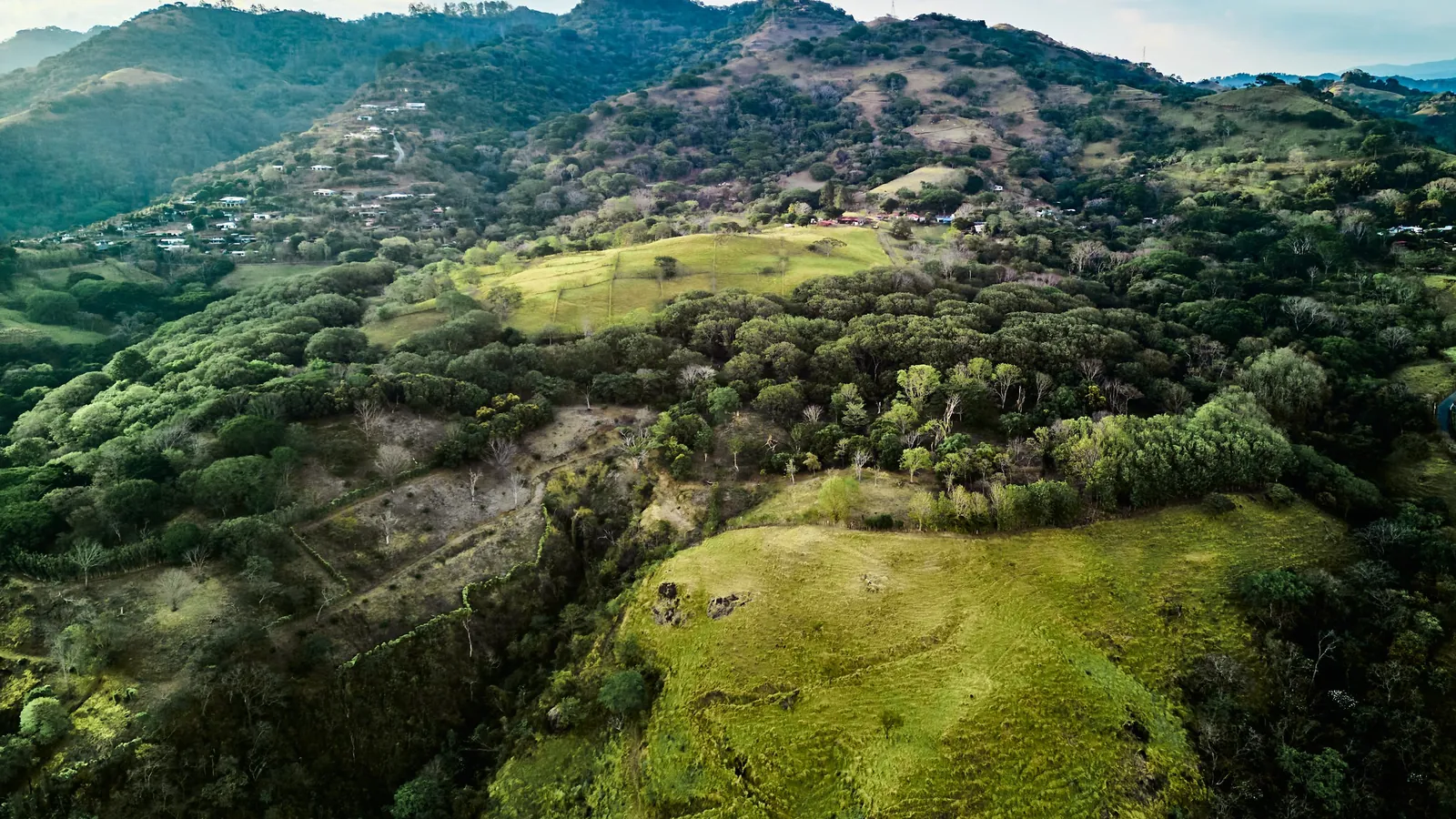
The largest of the villages by a wide margin: more than 340 acres of river valley and coffee land in the hills above Atenas, half an hour from San José’s international airport. Its master plan, dated July 2026, sets out a terraced house community, a denser European style village and a hillside hotel.
Visit Atenas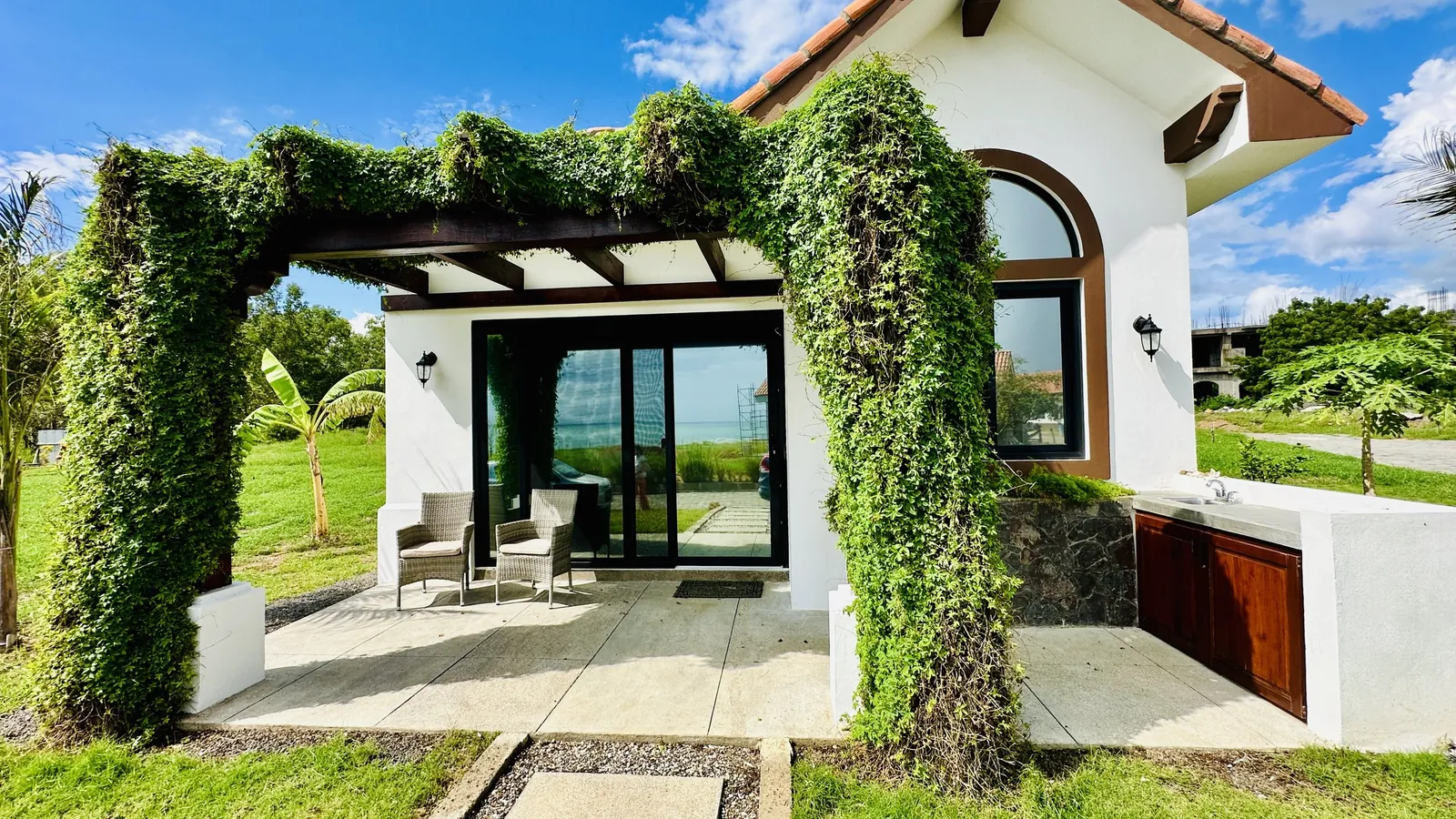
Intentional CommunityOperational
Playa Pacifica
Nicaragua · 2023 · Under 50 residents
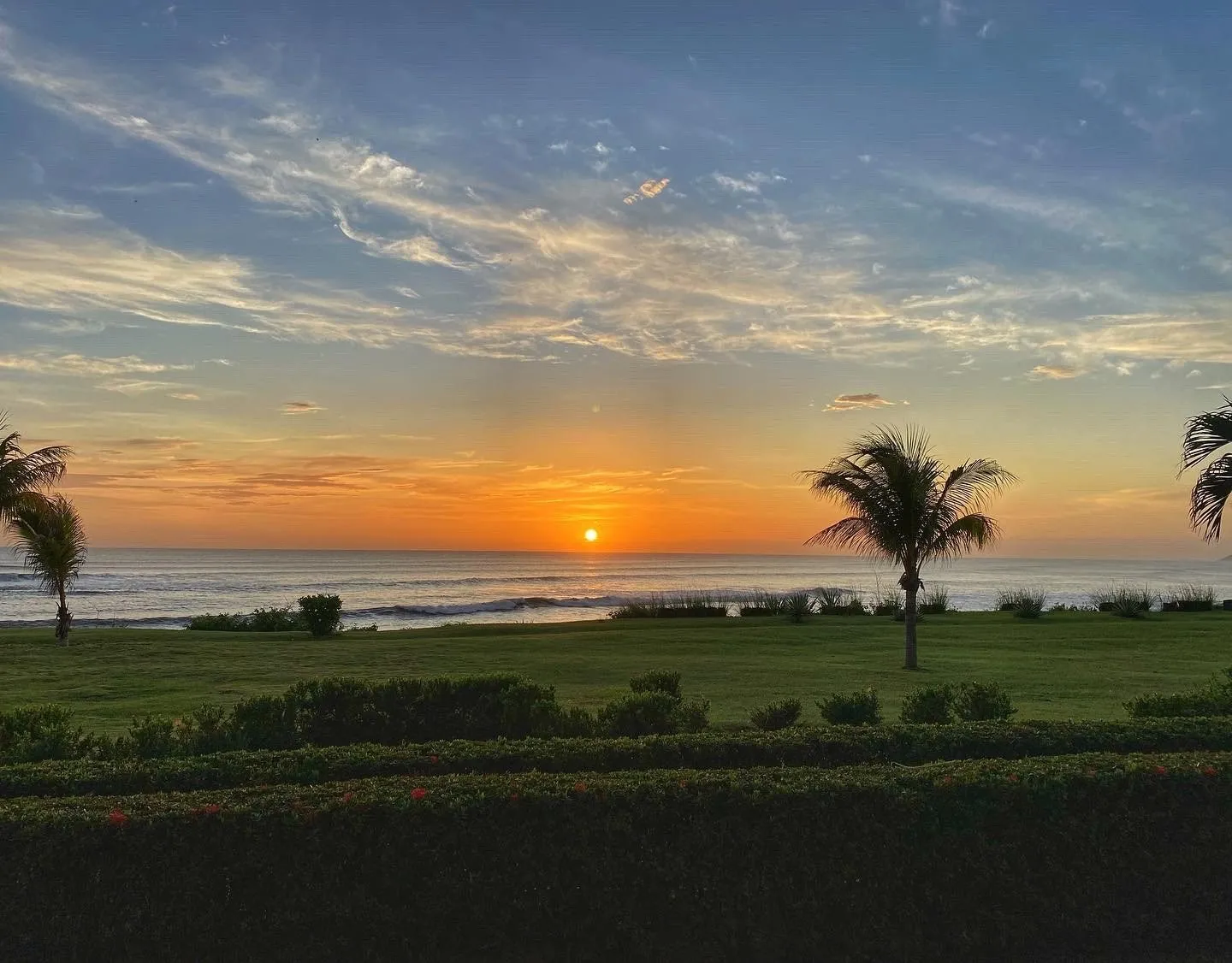
The first Veritas Village to open, and the only one built inside an existing resort. It is a beachfront neighbourhood inside Gran Pacifica on Nicaragua’s Pacific coast, between one and one and a half hours from Managua, sharing the resort’s nine-hole golf course, stables, beachfront pools and surf break.
Visit Playa Pacifica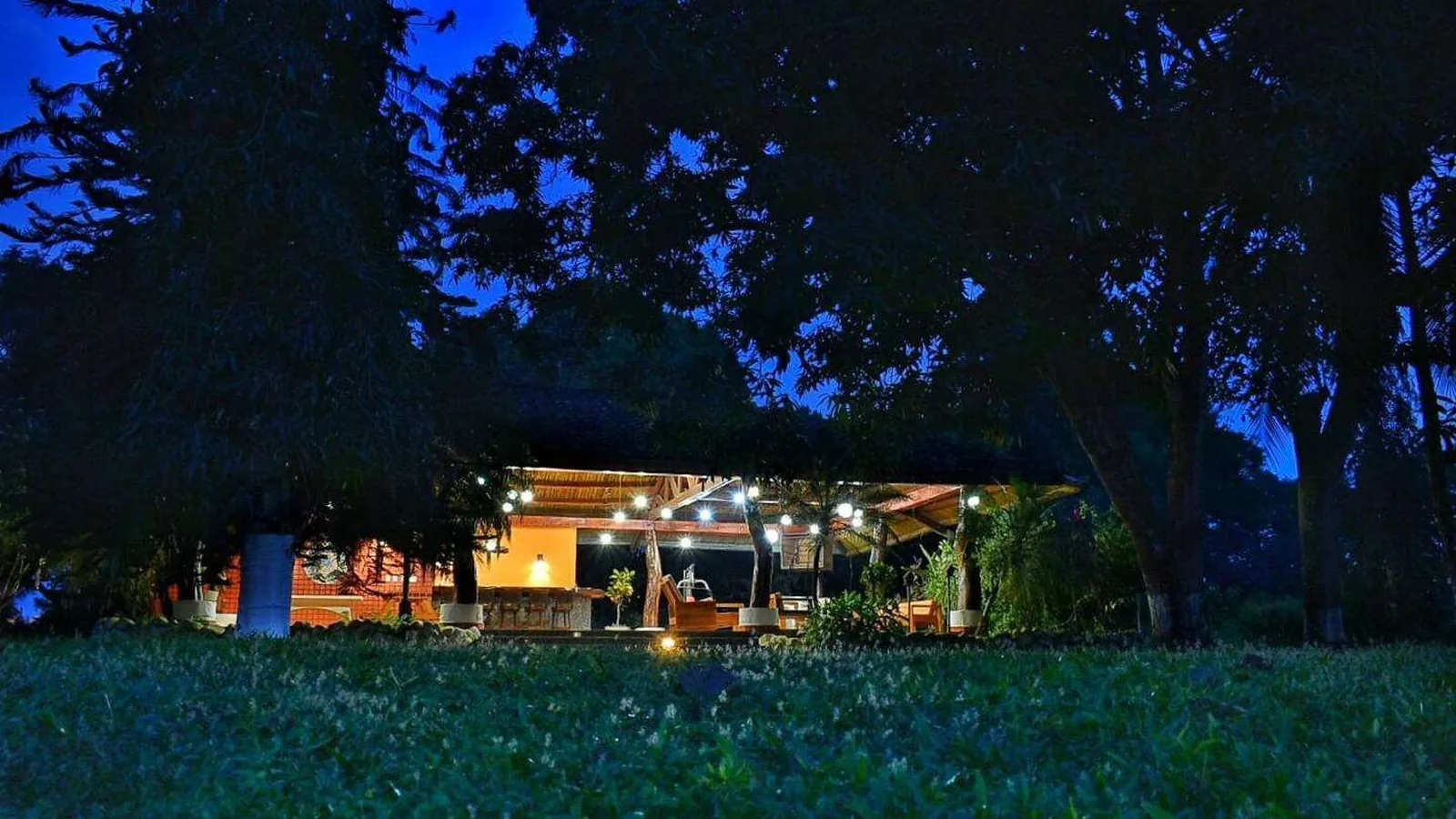
Intentional CommunityIn Development
Chiriquí
Panama · 2025
The smallest and most agricultural of the villages: fourteen lots and four guest units on volcanic soil in the foothills of western Panama, between La Concepción and Bugaba, with a river along one boundary and half an hour to the Costa Rican border.
Visit Chiriquí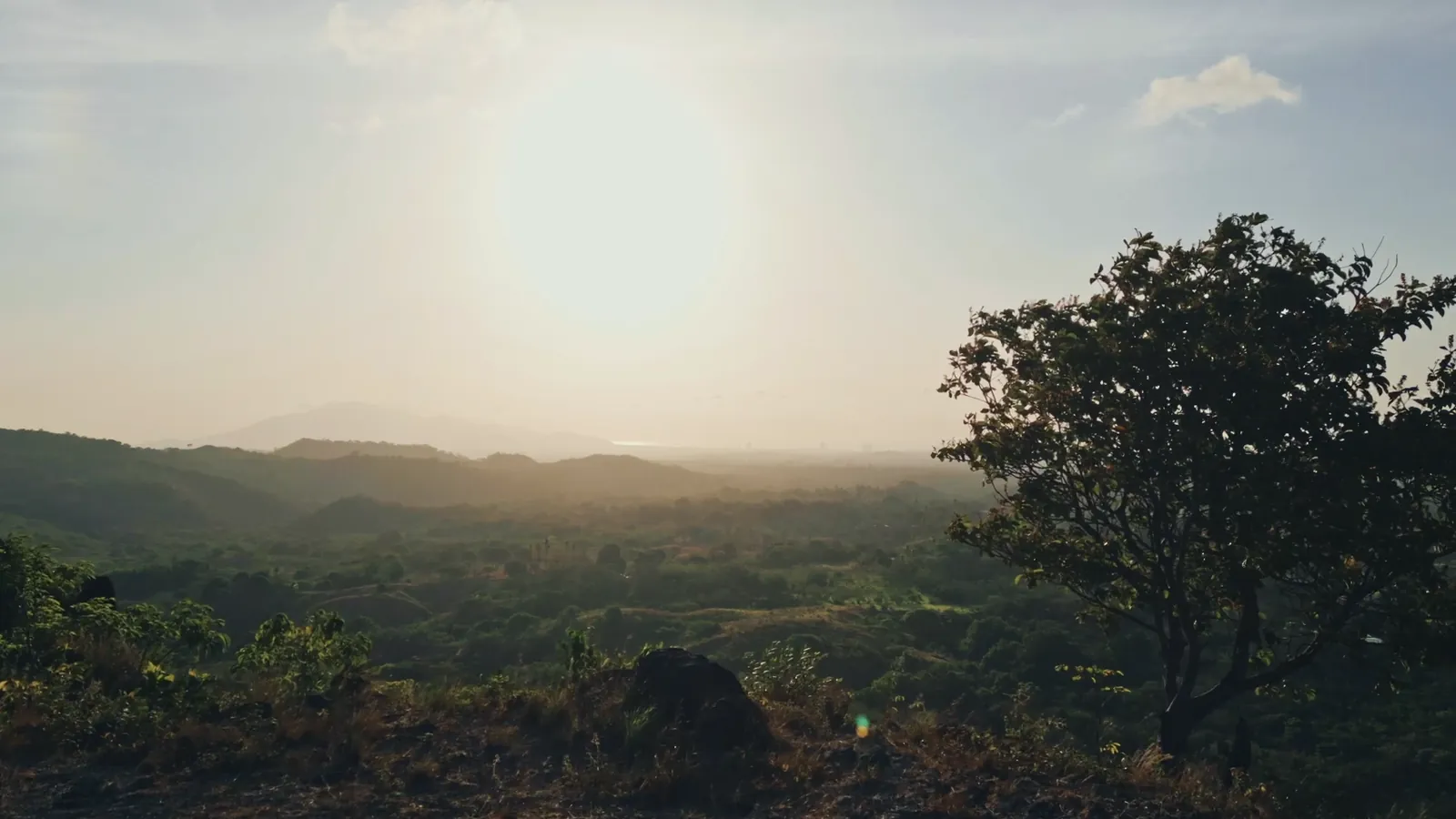
Intentional CommunityIn Development
Coronado
Panama · 2025
A hillside village of 87 lots on the Panamanian Pacific coast, ten minutes above the town of Coronado at between 250 and 350 metres. Its welcome centre is built to run entirely off grid, and the master plan sets out a school, stables, a tilapia pond and an amphitheatre among the lots.
Visit Coronado
Articles
Blog14 min read
Building the Bitcoin Citadel: Autris and the Case for the Most Complete Bitcoin Company in the Public Markets
In 2013, a Reddit post appeared under the title ‘I am a time-traveler from the future, here to beg you to stop what you are doing.’ The anonymous author described a world in which Bitcoin had become the dominant global currency, but in…
 Alex Voss · Free Cities Foundation
Videos
Free Cities Foundation
Free Cities Foundation
Free Cities Conference 2025
Free Cities Online Summit 2025

Podcast episodes
Podcast Episode 156
Patrick Hiebert & Alex Voss: Building Bitcoin Citadels
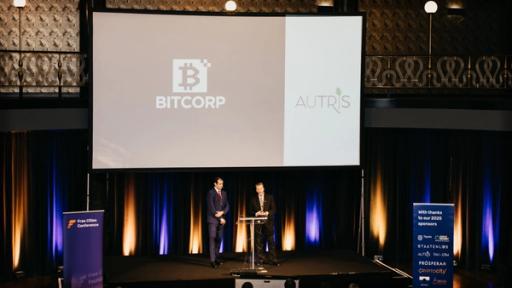
Patrick Hiebert and Alex Voss on expanding Veritas Villages across Central America and integrating Bitcoin into community payments and governance.



Questions
What does F.I.R.S.T. stand for?
Freedom, Independence, Resiliency, Self-Sustainability and Transparency. It is the standard the developer applies to every village, and in practice it shows up as on-site power and water, food grown within the community, and decisions taken and recorded openly among residents.
Are Veritas Villages autonomous territories or special jurisdictions?
No. Each village is a private community under the ordinary law of its host country, with no special legal status, no separate courts and no negotiated charter. The independence they pursue is infrastructural and social rather than legal, which distinguishes them from Charter Cities, Special Economic Zones and Free Private Cities.
Can residents move between the villages?
That is the idea behind running them as a network. The villages share a developer and a common standard, so a household settled in one is meant to be able to use the others, from surf and golf on the Nicaraguan coast to farmland in the Panamanian highlands.
Who is behind Veritas Villages?
The developer is Autris, and the villages were founded by Patrick Hiebert, its chief executive, with his son Spencer Hiebert, who leads the design work. Patrick Hiebert had built self-sustainable communities for years before the first village, beginning in Nicaragua in 2009, and has spoken about the project at Free Cities Foundation events.