
St Kitts and Nevis is ending its citizenship by investment programme, the oldest in the world. Prime Minister Terrance Drew announced the wind-down in a national address on 13 November 2026, on a timeline his government is negotiating with the European Union. Applications remain open until a final date is agreed, and people who already hold St Kitts citizenship keep it.
The programme, launched in 1984, became the model for citizenship by investment across the Caribbean and beyond. Its closure shows how far the EU's new visa rules are reshaping the industry.
| St Kitts citizenship by investment at a glance | |
|---|---|
| Launched | 1984, the world's oldest citizenship by investment programme |
| Wind-down announced | 13 November 2026, by Prime Minister Terrance Drew |
| Closing date | Not yet set; being negotiated with the EU (as of 19 November 2026) |
| New applications | Still accepted until a final date is agreed |
| Existing citizens | Keep their citizenship; no immediate effect on travel |
| Trigger | EU's revised visa suspension mechanism, in force since 31 December 2025 |
| Main reason given | Protecting correspondent banking links |
| Share of government revenue | Almost 70% in 2022; under 20% in 2026 |
| Other states asked to close | Antigua and Barbuda, Dominica, Grenada, Saint Lucia |
Why St Kitts is ending its programme
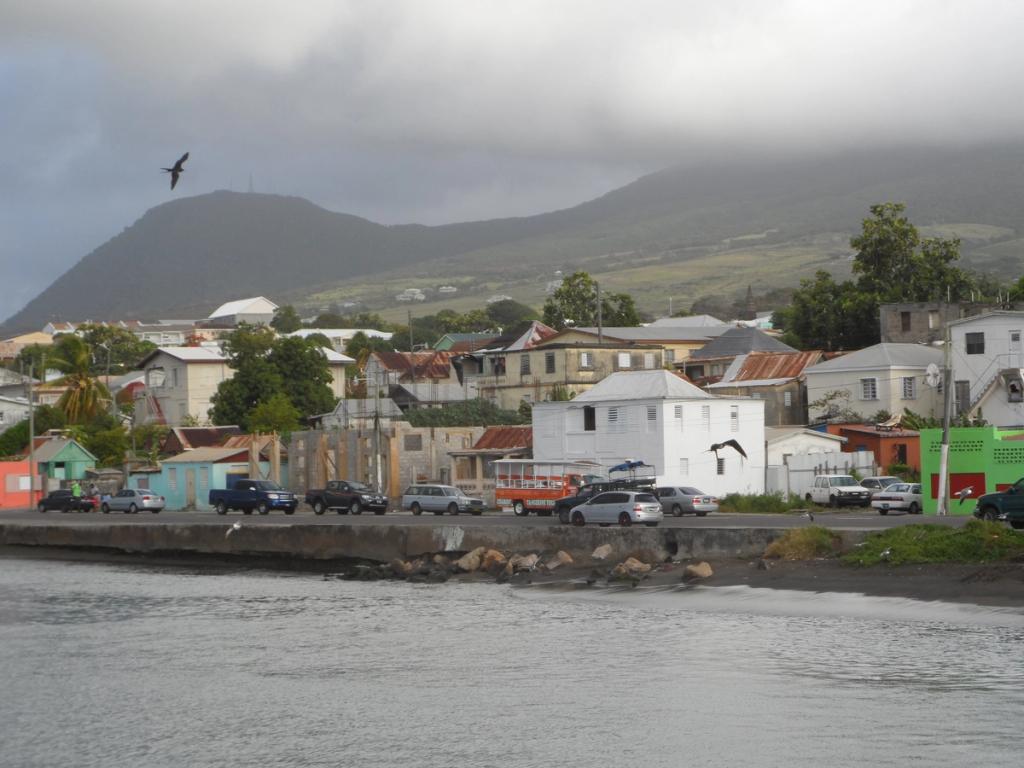
Basseterre, the capital of St Kitts and Nevis, seen from the sea. Credit: Gertjan R.
The EU revised its visa suspension mechanism with effect from 31 December 2025. Under the new rules, running an investor citizenship programme that grants citizenship to people without a genuine link to the country is a ground for suspending visa-free travel to the Schengen area. In June 2026 the European Commission invited St Kitts and Nevis to wind its programme down over a transition period.
In his address, Drew said the deciding risk was banking. Local banks rely on correspondent banks in the United States, Canada and Europe to move money in and out of the country. Losing them would stop card payments by visitors, remittances from families abroad and payments for imports. "No responsible leader will gamble with that," he said. The government has formally told the EU of its decision and will announce the last date for applications once it is agreed.
How the St Kitts programme worked
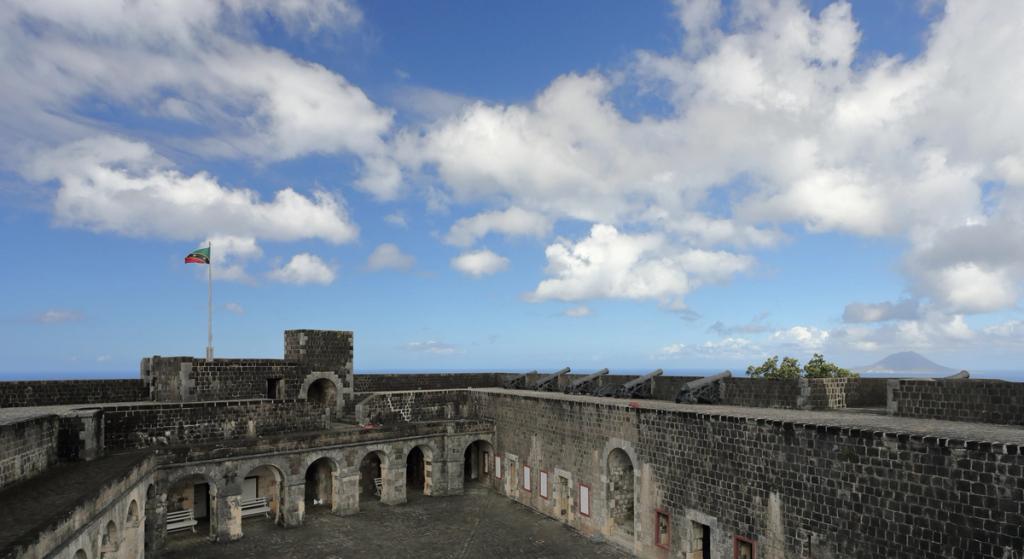
Fort George Citadel at Brimstone Hill Fortress, a UNESCO World Heritage Site on St Kitts. Credit: Martin Falbisoner
St Kitts and Nevis began granting citizenship for investment in 1984. In 2006 the government contracted Henley & Partners to redesign the scheme, which until then had relied only on real estate purchases; the new programme required a one-off investment of at least US$200,000, according to the Financial Times. In 2009 St Kitts gained visa-free short-stay access to the Schengen area, which made the passport considerably more valuable. By 2026 the main route was a US$250,000 contribution to the country's Sustainable Island State Contribution fund.
The government tightened the programme in recent years with applicant interviews, additional checks by its Financial Intelligence Unit and independent audits. In February 2026 the US Treasury's Financial Crimes Enforcement Network rescinded a 2014 advisory about the programme.
Revenue from the programme was almost 70 per cent of government income in 2022, when Drew's administration took office, and below 20 per cent in 2026. The government's Sustainable Island State Agenda aims to diversify through tourism, construction, agriculture, digital services and renewable energy, including geothermal power on Nevis and solar power on St Kitts.
Other Caribbean programmes under EU pressure
St Kitts is one of five Eastern Caribbean states that run citizenship by investment programmes and received the EU's request: Antigua and Barbuda, Dominica, Grenada, St Kitts and Nevis, and Saint Lucia. The reference deadline reported for the phase-out is 1 June 2028. Antigua and Barbuda has offered to close its programme by the end of 2030 if the EU provides financial and technical help; the Commission has not publicly accepted that date.
What the end of the St Kitts programme says about competitive governance
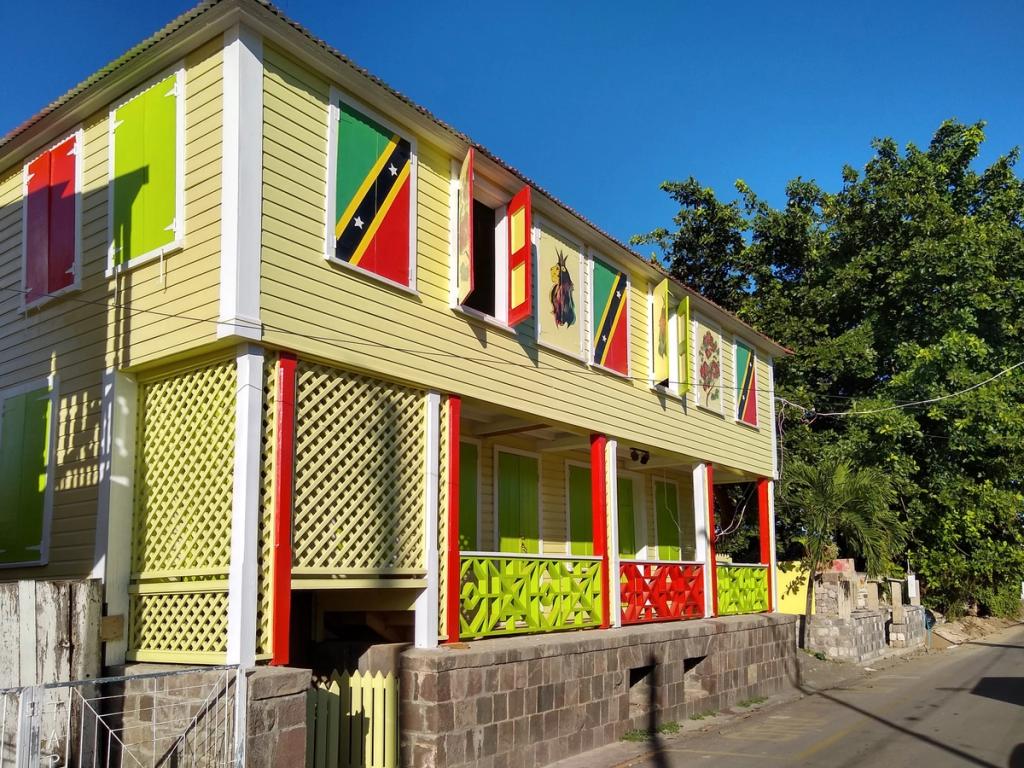
A colourful house near Independence Square in Basseterre. Credit: P. Hughes
Citizenship by investment is one of the most direct ways a small country can compete for mobile people and capital, and St Kitts competed well for four decades. Much of the value it sold, however, depended on others: visa-free access to Europe, granted by the EU, and access to the global financial system through foreign correspondent banks. When those partners changed their rules, reforms on the St Kitts side could not protect the product.
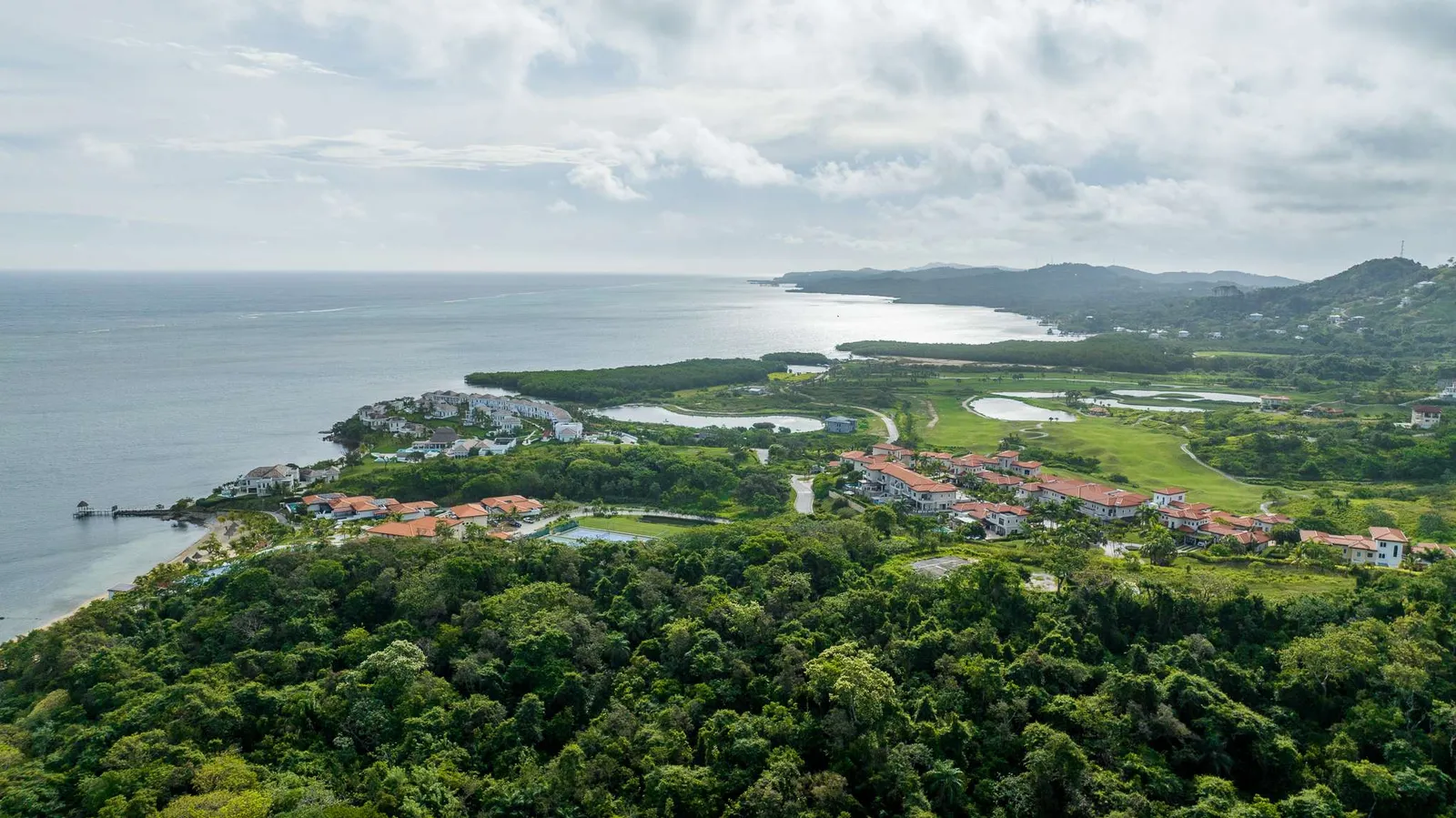
Advantages a jurisdiction provides itself, such as reliable courts, sensible taxes, good public services and a pleasant place to live, are harder for outsiders to withdraw. That is the ground on which Free Cities and next-generation special economic zones compete. Projects such as Próspera in Honduras offer residents and companies a different legal and regulatory framework within a host country. They are still small and proving themselves.
Destiny: a proposed special zone on Nevis
St Kitts and Nevis also has a Special Sustainability Zones (SSZ) Authorisation Act, which allows designated developments to operate under their own regulatory arrangements while the national constitution continues to apply. The best-known proposal under it is Destiny, a planned residential and economic zone on Nevis led by Olivier Janssens, a Belgian-born bitcoin entrepreneur who has lived on the island for almost a decade.
Destiny's promoters argue that Nevis must compete globally for mobile wealth and talent, and they propose profit-sharing with the island, scholarships and local jobs. That puts Destiny close to Free Cities and next-generation special economic zones such as Próspera in Honduras, which compete for residents on the quality of governance itself. The proposal has divided opinion on Nevis: some residents see jobs and opportunity, while others worry about land prices and about private arbitration of commercial disputes inside the zone. Officials have stressed that the constitution would apply throughout.
An SSZ project needs the approval of the Nevis Cabinet, the Federal Cabinet, the Nevis Island Assembly and the National Assembly. A federal oversight committee began reviewing the Destiny application in April 2026. At the latest public update, on 23 July 2026, Premier Mark Brantley said the federal government's remaining concerns had been resolved and the agreement was awaiting the Prime Minister's signature.
Where investors may look next
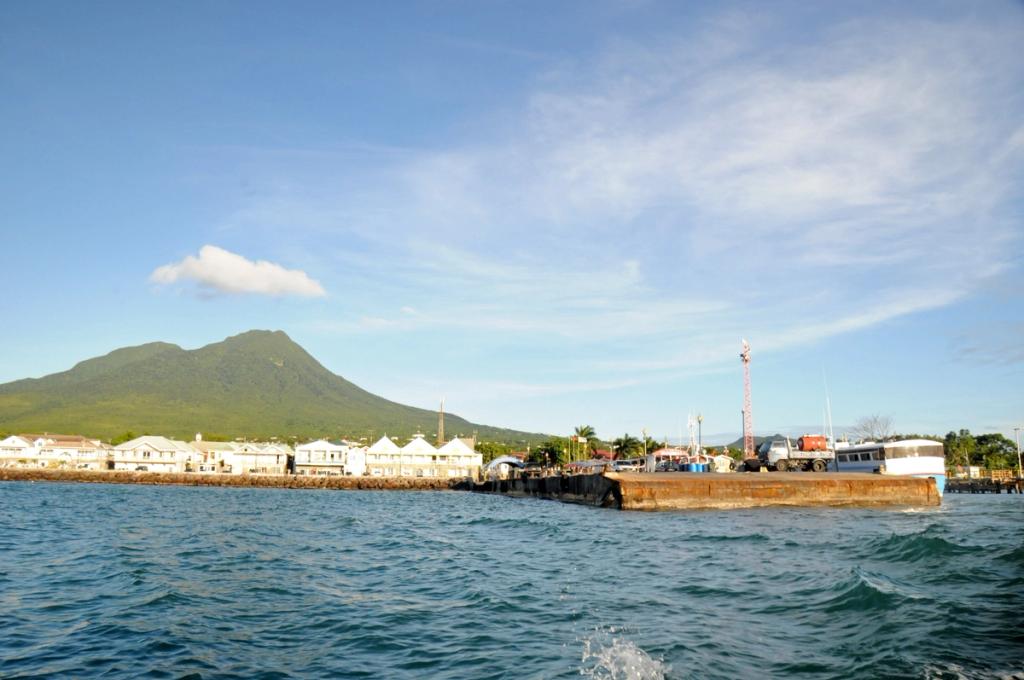
Approaching Charlestown on Nevis, with Nevis Peak in the distance. Credit: David Broad
In the Caribbean, discussion is turning to residence by investment, which gives the right to live in a country without immediate citizenship. The Cayman Islands, Bermuda and the Turks and Caicos Islands have long run such programmes. St Kitts itself plans to redirect the experience and international contacts of its Citizenship by Investment Unit towards attracting conventional foreign direct investment.
For the longer history of citizenship by investment and where privately offered residency could go, see The Future of Citizenship and Residencies by Alex Voss.
Common questions about St Kitts citizenship by investment
Is St Kitts ending citizenship by investment?
Yes. Prime Minister Terrance Drew announced on 13 November 2026 that the programme will be wound down, on a timeline being negotiated with the European Union.
Can you still apply for St Kitts citizenship by investment?
Yes, for now. Applications continue under the existing rules until the government announces a final date, which it will do once it is agreed with the EU. No date had been announced as of 19 November 2026.
What happens to people who already have St Kitts citizenship?
They keep it. The government says the decision has no immediate effect on existing citizenship or travel arrangements.
Why does the EU want the programme closed?
Under the EU's revised visa suspension mechanism, in force since 31 December 2025, granting citizenship to people without a genuine link to the country is a ground for suspending visa-free travel to the Schengen area.
When did St Kitts start citizenship by investment?
In 1984, making it the oldest programme of its kind.
Which other countries are affected?
Antigua and Barbuda, Dominica, Grenada and Saint Lucia received the same request from the European Commission.
What is the Destiny project on Nevis?
Destiny is a proposed residential and economic zone on Nevis, led by entrepreneur Olivier Janssens, seeking approval under St Kitts and Nevis' Special Sustainability Zones Authorisation Act. As of the latest public update in July 2026, it was awaiting the Prime Minister's signature before going to the island and national parliaments.
Sources
- Government of St Kitts and Nevis (SKNIS), 16 November 2026: Protecting banking links, remittances and trade was central to CBI decision
- Antigua News, 16 November 2026: What St Kitts and Nevis' CBI exit plan means for Antigua and Barbuda
- Financial Times via swissinfo.ch, 14 May 2025: The Swiss lawyer behind the rise of golden passports
- BusinessDay, 6 August 2026: The 5 Caribbean countries facing an EU citizenship by investment ban
- The St Kitts Nevis Observer, 28 July 2026: High-level meeting clears key hurdles for Destiny
- The St Kitts Nevis Observer, 7 April 2026: Government considers Destiny using existing laws
- The Daily Herald, 16 December 2025: Destiny project puts Olivier Janssens and the island Nevis at a crossroads
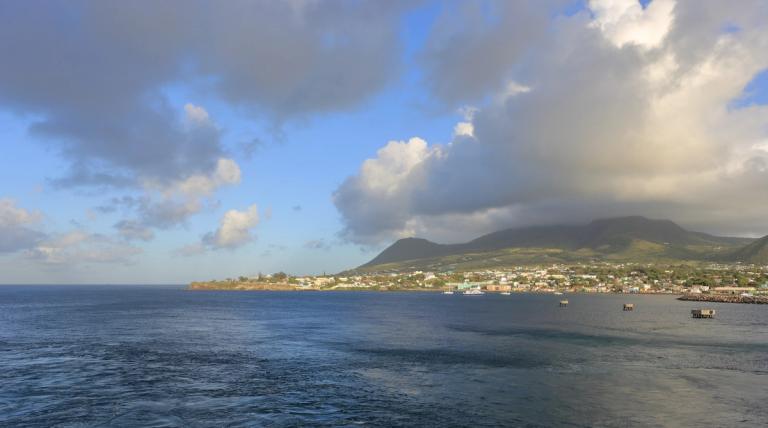
Header image: St Kitts at dawn, seen from a ship entering the port of Basseterre. Credit: Martin Falbisoner