
Freesteads: How To Build a Free City Without Government Permission
 Billy Tetrud · Meridia
Disclaimer: The following article was written by an external author. The opinions expressed in it do not necessarily reflect the opinions of the Foundation or its members.
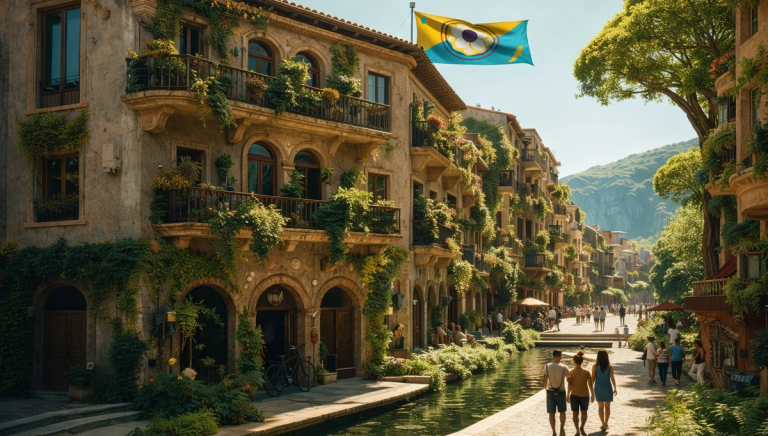
In short: a Freestead is a community that sets many of its own rules through a citizen contract and existing legal tools, without waiting for special legislation. Its five main tools are binding arbitration, tax redirection, private roads, resident screening and unincorporated land. Billy Tetrud argues that Texas, Missouri and Wyoming are the best places to use all five.
Free Cities aim to gain the autonomy to provide a new legal framework with different taxes, decision making structures, dispute resolution methods, and regulatory policies. Improving these critical things can make a huge difference in the economy and people’s lives. But a Free City that requires special legislation from an existing government has a high barrier to overcome. Not an impossible one, as places like Próspera have shown, but a difficult one nonetheless. I believe we can lower this barrier by building Freesteads, permissionless voluntary governments.
A Freestead creates an alternate legal jurisdiction using a citizen contract like a Free Private City does, but takes advantage of existing legal doctrines and practices rather than requiring legislation or special permission. This allows building parallel systems now, skipping the difficult first step that charter cities and Free Private Cities require.
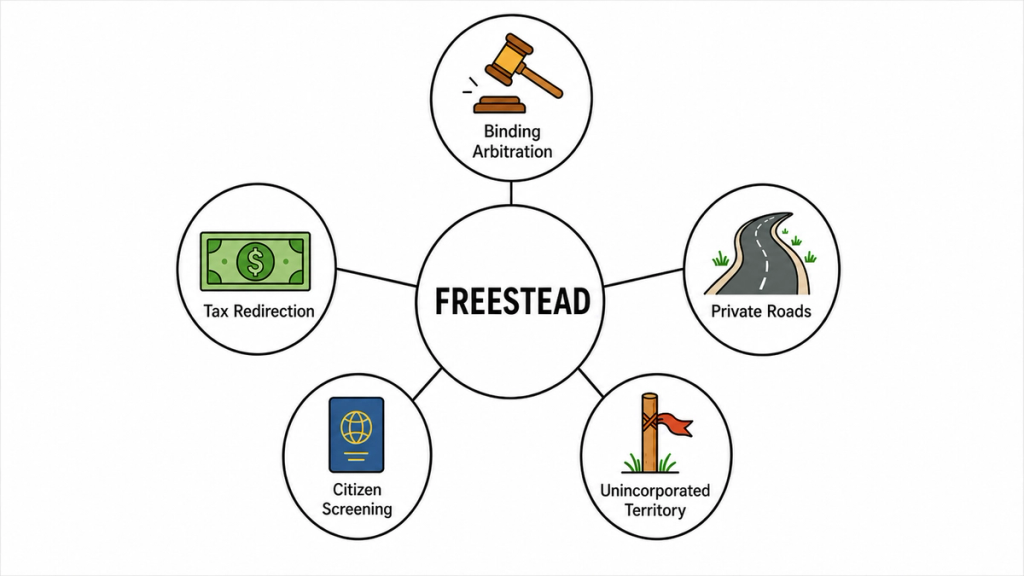
A Freestead uses a toolkit where the primary tools are binding arbitration, tax redirection, private roads, citizen screening, and unincorporated territory.
A binding arbitration clause in the citizen contract allows a Freestead to use alternate courts and alternate law for most civil law (ie not criminal law). This could substantially improve court fairness, speed, and costs. It could significantly reduce the chilling effect of legal liability.
Tax redirection changes tax incentives by redirecting who pays them. For example, a Freestead that charges a service-fee can give a discount to counteract sales taxes paid to the regional government, negating the disincentive caused by the tax without creating an extra tax burden and potentially creating different incentives through the pricing of those service-fees. This can push up the value of living in the Freestead, theoretically raising the viable fee and resulting in the discount actually paying for itself. Another example is a Georgist ground rent, where the Freestead itself pays the property taxes and landholders pay a ground rent instead. This would remove the disincentive to develop the land inherent to property taxes and land values.
Keeping roads private gives you substantially more flexibility in street design. While it may be tempting to hand off responsibility of road maintenance to the local government, doing so substantially impairs your town’s ability to create great streets. Resist the urge and keep the roads privately maintained.
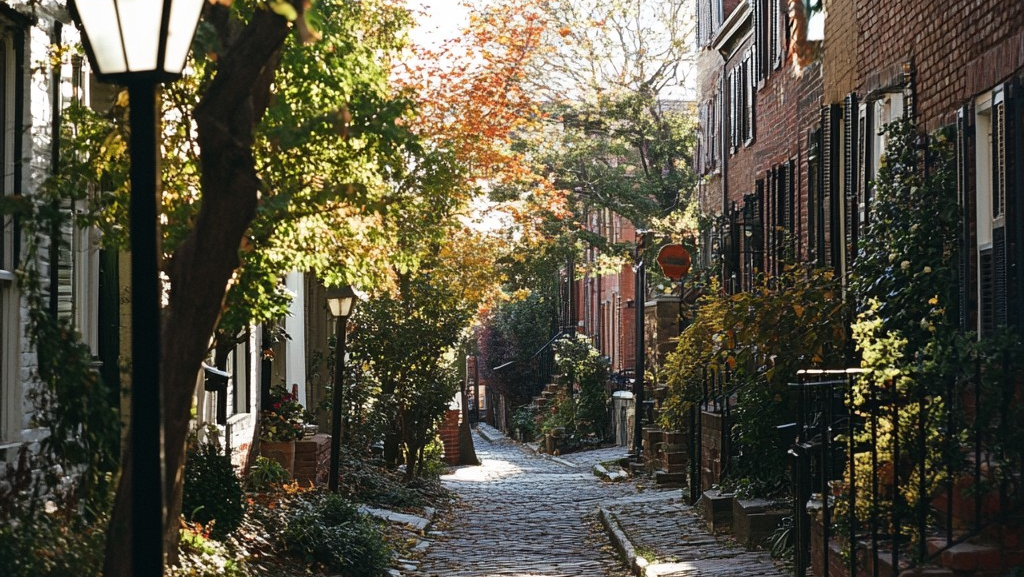
Resident screening is the immigration system of your city. The people that form a city are crucial to its character and how it will feel to live there. Having a standardized objective screening process gives you the ability to build a high-trust and cooperative social atmosphere by selecting people who agree with the goals of your town and respect the responsibilities of a town citizen.
Lastly, it’s possible to find unincorporated territory that doesn’t have building codes, permitting requirements, zoning laws, or other municipal regulations cities tend to have. These kinds of land use restrictions are a massive cause of the soulless urban design that has proliferated throughout the world. They’re also the biggest source of economic distortions at the local level. Finding these kinds of low-regulation areas means your new town is free to make its own development policy.
Broad international applicability
The first three techniques should work in basically all developed nations, and some third-world places as well. Binding arbitration in particular has strong legal support and court precedent in the over 170 countries that signed the 1958 UN New York Convention. Building your own immigration policy can be done, but has some pitfalls depending on where you are. A number of countries even have policies that prohibit filtering based on political or philosophical beliefs, and many other countries have been hostile to even objective filtering, which is why this should be approached thoughtfully using clear and specific objective standards.
The last technique, regulation-light unincorporated areas, are hard to find. Unfortunately there are few places in the world that give this level of freedom. Only certain US states and Canadian territories have most of these freedoms. Certain areas in Australia have no permitting, but still require building codes. For everywhere else, it is likely you would need to negotiate a Special Economic Zone as a full fledged Free Private City to enjoy those freedoms. This is why Texas, Missouri, and Wyoming are the best places in the world to build a Freestead, as they can utilize all 5 of these Freestead techniques to their fullest extent.
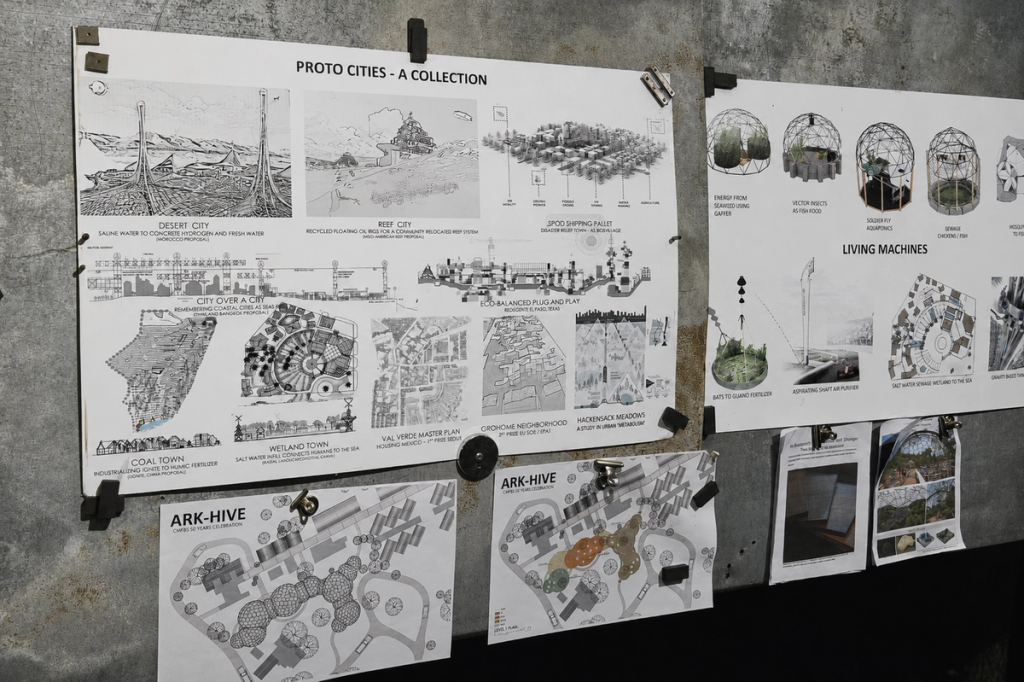
Build Your Own Freestead
So much about our world is downstream of the governmental institutions whose incentives shape the economy and our lives, as shown by books like Why Nations Fail. Even when bureaucrats have good intentions, the fact is that spending somebody else’s money on somebody else rarely results in efficient use of resources.
As our aging modern governments have begun to stifle societies, demand is growing for new cities that create better environments where people can thrive again. Where more businesses and jobs are viable, where your kids can walk to better schools, where you can build what you want on your own property, and can participate in building the neighborhood you live in.
A Freestead won’t allow you to escape your country’s taxes, business regulations, or criminal code, but it can allow experimentation with the most important kinds of locally determined governance, managed by novel decision making processes like alternate voting mechanisms or legislative structures. Citizen-arrest doctrines and in flagrante powers can even provide a means to experiment with private police/security that goes beyond mere detective work.
Freesteads and Free Private Cities aren’t mutually exclusive. Building a city that demonstrates functional and effective Freestead governance could even build the credibility needed to convince the powers that be it can handle additional sovereignty when it asks for it.
So consider building a Freestead to experiment with better societal systems. Or join Meridia, the first Freestead project, in building a federated micro-city near Austin, Texas.
Common questions about Freesteads
What is a Freestead?
A permissionless voluntary government: a community whose residents sign a citizen contract and use existing legal doctrines, such as binding arbitration and private roads, to run more of their own affairs.
How is a Freestead different from a Free Private City?
A Free Private City needs an agreement with a host state, as Próspera has under Honduras's ZEDE law. A Freestead needs no special permission, but it cannot escape national taxes, business regulation or criminal law.
Where can you build a Freestead?
Arbitration clauses are enforceable in the more than 170 countries that signed the 1958 New York Convention. Land without zoning or building codes is rarer, which is why the author points to unincorporated areas of Texas, Missouri and Wyoming.