
In short: there are four main routes to a freer society today. You can settle unclaimed land, as Liberland does; settle the ocean, as seasteaders do; build an online community and later seek recognition as a state, which is the network state idea; or negotiate autonomy inside an existing country, which is the Free City model. The Free Cities Foundation backs the last one. Unclaimed land is less than 0.0015% of the world's land area, and most of what shapes daily life depends on autonomy, not on a flag.
| Approach | Where it happens | Main obstacle | Example |
|---|---|---|---|
| Terra nullius | Land no state claims | Almost none is left, and neighbouring states interfere | Liberland |
| Seasteading | International waters | Cost, weather and pushback from coastal states | Ocean Builders' SeaPods |
| Network state | Online first, land later | Existing states must cede territory and grant recognition | Balaji Srinivasan's proposal |
| Free City | Autonomous zone in a host country | Host-country politics can turn hostile | Próspera, Ciudad Morazán |
The Free Cities Foundation exists to expand the number of places where people can live in freer, more voluntary societies. Others share that goal, but what makes us different is our strategy.
Here’s a look at some approaches being taken to build new societies today, and why we choose the Free Cities path.
The blank slate has run out of land
For someone who wants to start a new society, the most straightforward way is to settle land that no existing state claims.
Libertarian thinkers like Murray Rothbard and David Friedman have developed detailed blueprints for societies that function without the need for a traditional state at all. Within their systems, core functions like defense, law, courts, and security are provided purely through private, contractual arrangements, rather than a centralized government.
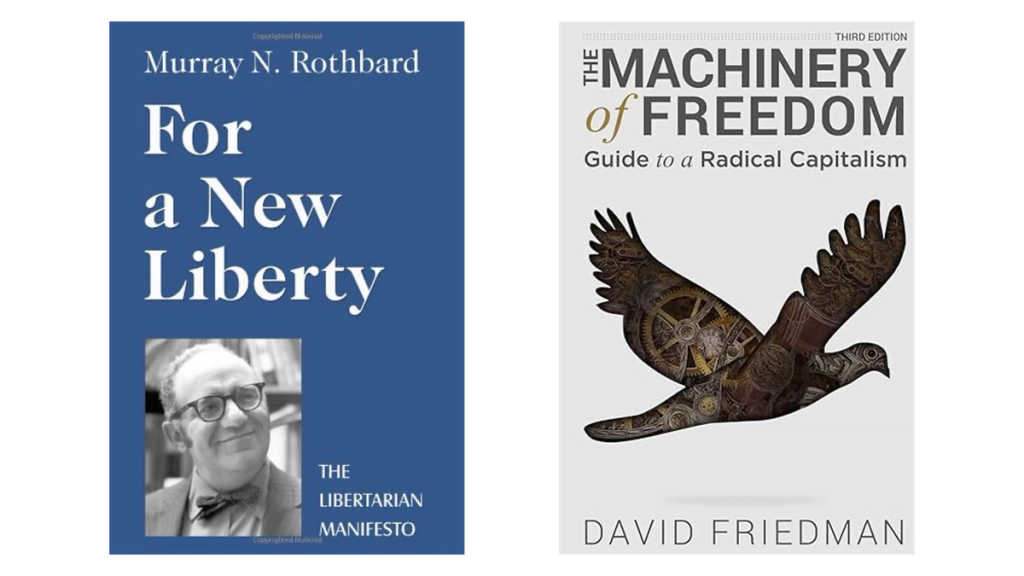
While these theorists make logically compelling cases, the problem with implementing their ideas in full is the scarcity of unclaimed land (terra nullius). If we were exploring this possibility 500 years ago, we might still be able to point towards options to settle meaningfully sized territory unclaimed by any state. But today there isn’t much of that left.
Setting aside Antarctica (where the Antarctic Treaty blocks new territorial claims), the remaining unclaimed land consists of Bir Tawil (a 2,000-square-kilometer stretch of inhospitable desert between Egypt and Sudan) and a handful of small land pockets within the Danube River along the Croatia–Serbia border. Combined, they account for less than 0.0015% of the world’s land area.
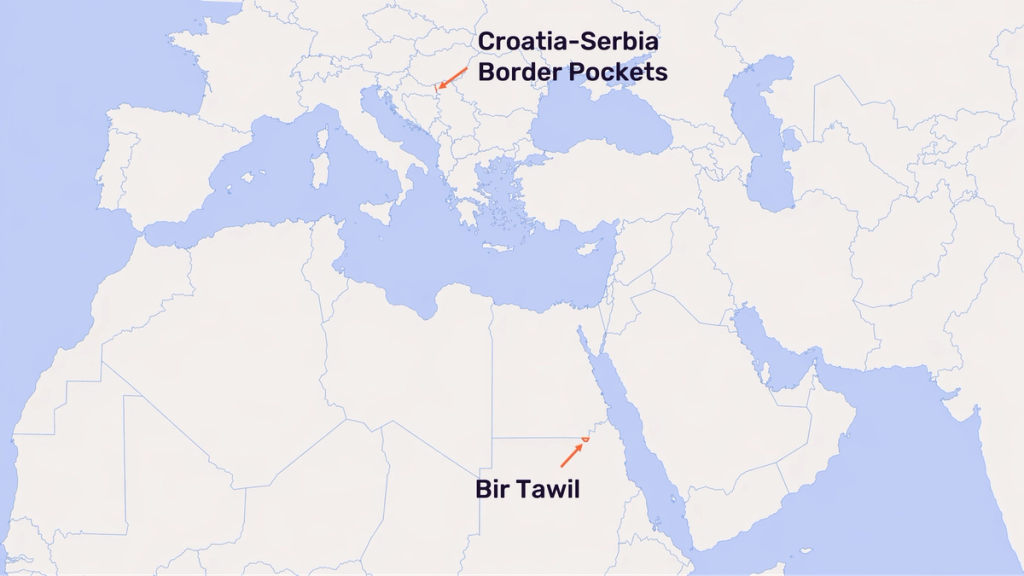
Despite this, serious attempts have been made to settle the world’s remaining terra nullius. The Free Republic of Liberland was declared in 2015 on one of the Danube pockets, and since then, Liberlanders have been trying hard to establish a permanent presence on the ground.
However, Croatian authorities have repeatedly made incursions into Liberland’s territory, disrupting development. The largest-scale incursion came on September 21, 2023, when a group of Croatian police and forestry workers entered the territory, demolished wooden settlements with chainsaws, and arrested settlers.
The Liberland project continues, but their experience shows how disruptive neighboring states can be to development, even without a formal territorial claim.
The oceans are bigger, but harder
Seasteading answers the shortage of unclaimed land by going to sea instead. Around 71% of the Earth’s surface is covered by ocean, and 64% of that consists of international waters beyond the jurisdiction of any nation state. These high seas dwarf every scrap of unclaimed land combined.
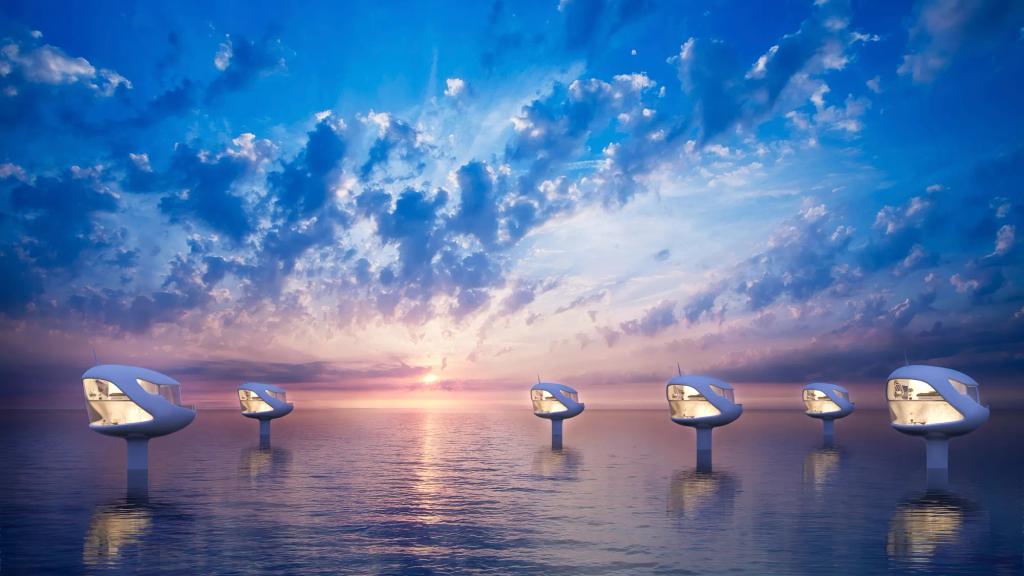
SeaPods: sustainable, self-sufficient floating homes built by Ocean Builders are designed to enable permanent settlement at sea.
The seasteading approach has real promise and some inherent advantages over land-based development: for example, people can “vote with their boat” by moving between seastead colonies when they want to live under different rules.
Despite this, even seasteading enthusiasts acknowledge that the practical obstacles to scaling are steep. A residential platform has to survive storms, isolation, and regular supply runs. All of this makes seasteads costly to maintain.
There is also the issue of defense from hostile states. A seastead has to sit far from the coast to stay outside the territorial waters of other nations. And even then, nearby states may not play by the rules.
In April 2019, Chad Elwartowski and Nadia Thepdet moved into a seastead cabin anchored several miles off the coast of Phuket, Thailand. Their activities attracted the attention of the Thai authorities, and a dispute arose over whether their seastead lay inside Thai territorial waters.
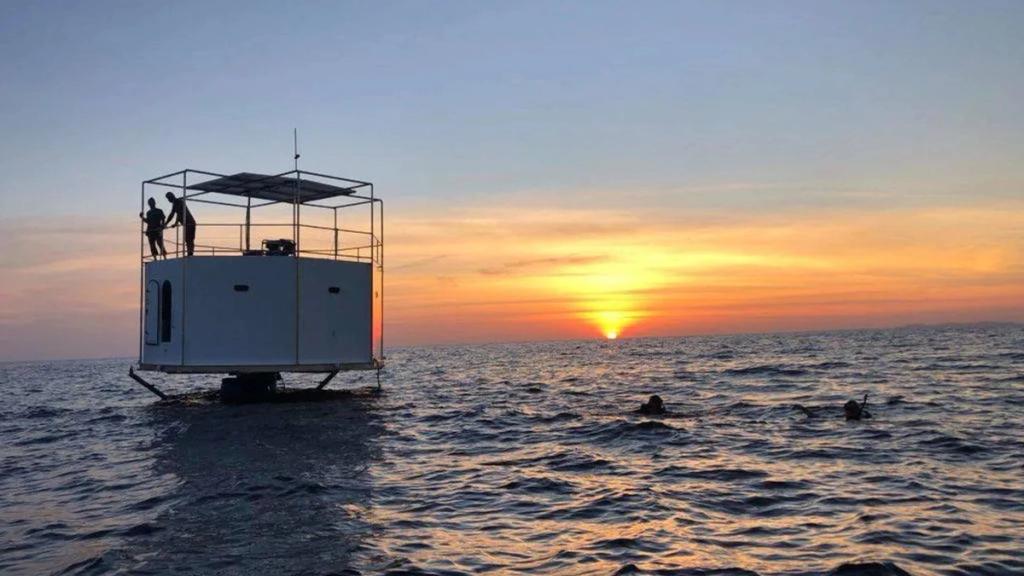
The single-family seastead where Chad and Nadia spent a blissful few months in 2019 before getting noticed by the Thai Navy. Source: The Seasteading Institute
When the couple learned they faced charges of infringing Thai sovereignty, an offense carrying the sentence of life imprisonment or death, they fled the Seastead. The Thai Navy later boarded the empty structure, and it was removed.
Rather than giving up, seasteaders are trying to learn from incidents like this. One strategy they are pursuing is to register seasteads with national flagging agencies: the same mechanism that confers legal protection on commercial shipping. If they’re successful, this could open the door to formal recognition and help mitigate the risk of aggressive action from nearby states.
That said, while the progress being made by seasteaders is real, their ability to settle the oceans at scale remains to be proven.
The network state needs many capitals
A different strategy for achieving sovereignty is described in Balaji Srinivasan’s 2022 book The Network State.
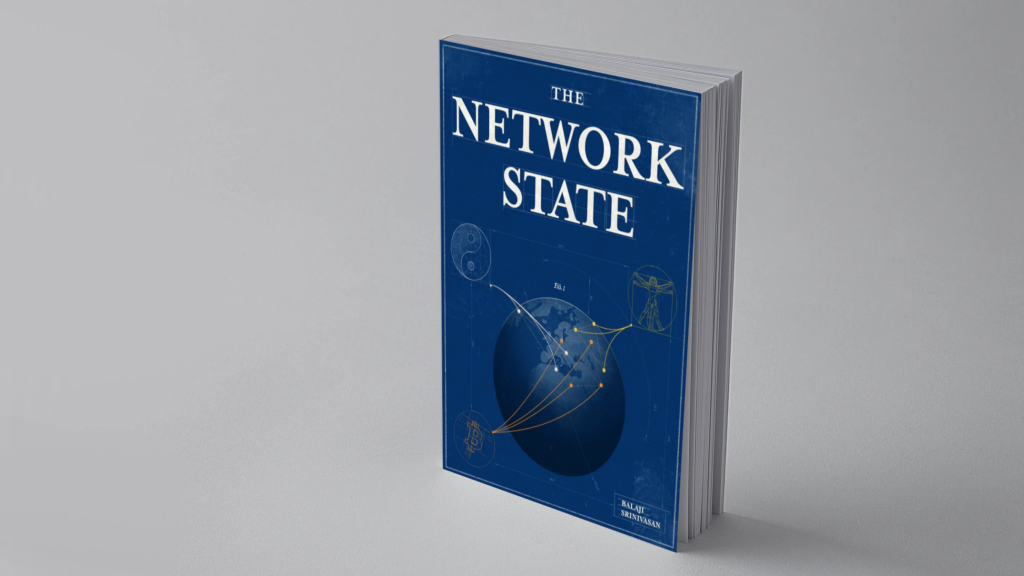
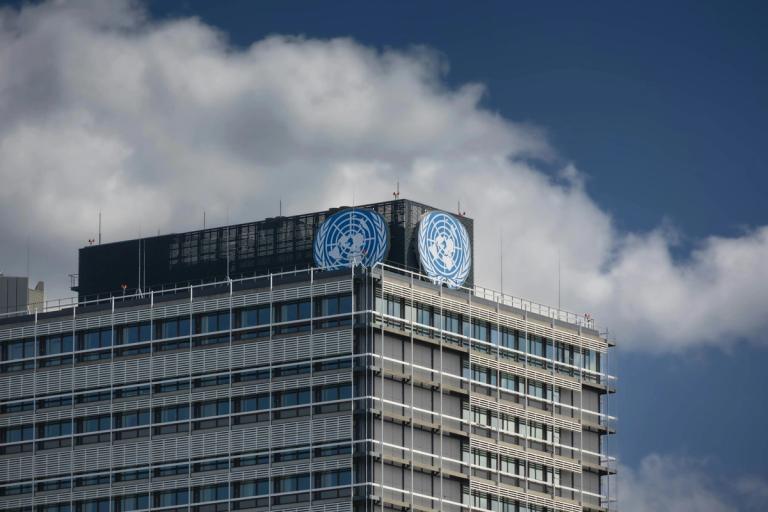
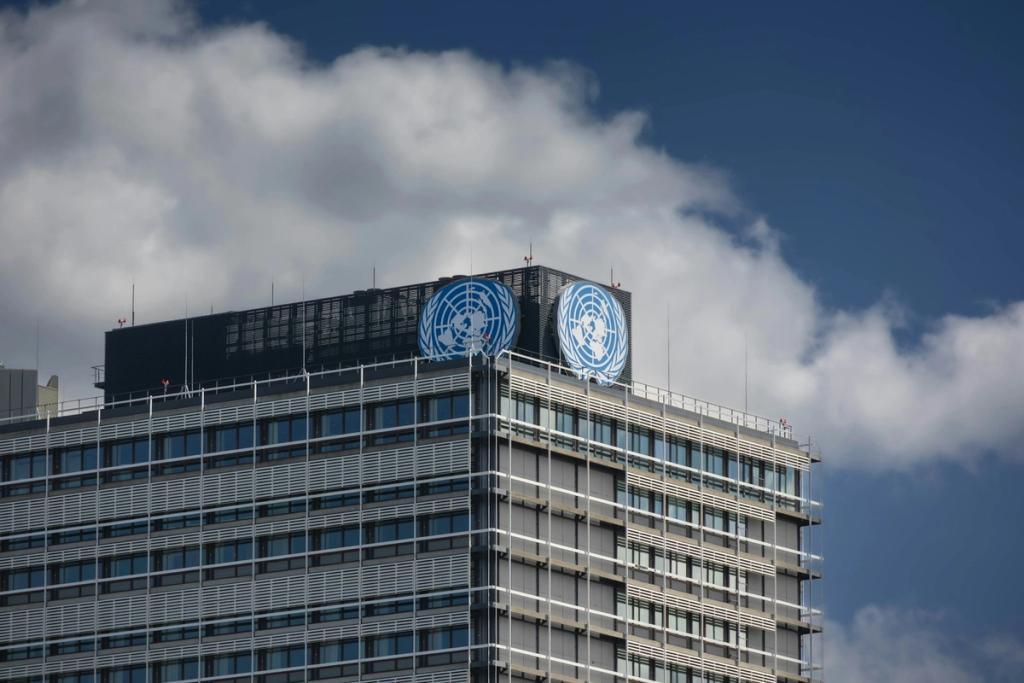
His idea is to first build a coherent online community with its own culture, economy, and internal coordination, then use that collective weight to negotiate recognition and territory from existing governments. The end goal is formal recognition as a sovereign state, which in practice runs through the UN system, where new states are admitted by a vote of existing members.
It is a creative path and may have potential.
However, the UN system is also where the structural difficulty may sit. A network state’s aspiring citizens already live inside nation states that are UN members, and existing states tend to guard their sovereignty carefully. Ceding that sovereignty to a dispersed, non-territorial network is a precedent those states will likely not want to set.
Experience teaches us that negotiating a Free City with one willing government is already hard enough. Getting several governments to cede territory to a shared external network is a taller version of the same challenge.
Not insurmountable, but arguably harder.
What actually shapes your life isn’t a flag
Here is where Free Cities differ. All three approaches we have described so far share an assumption: that a freer society requires stepping outside the existing state system and building a new one from scratch.
Free Cities start from a different premise. You do not need an entirely new state to improve the 90% of your life that really matters.
A fully independent state has its own military, diplomatic missions, UN seat, and flag. For almost everyone living under those flags, none of these features is what shapes their daily life.
What matters is the lifestyle that a place makes possible: whether the environment is safe and predictable, whether local services are worth what residents pay for them, whether starting a business means focusing on creating value or navigating bureaucracy, and whether the tax bill is predictable enough to plan around, rather than the result of a complex end-of-year scramble with an accountant.
Free Cities can deliver in all of these areas.
They do not need full sovereignty to achieve their goals. In fact, military, diplomatic, and foreign-policy responsibilities are often viewed as more of a hassle than they’re worth by city builders. For Free Cities, these trapings of statehood are handled through agreements with a host country. That leaves their operators to concentrate on creating a world-class environment for living and doing business, with a tax, legal, and regulatory system optimised for a well-functioning society.
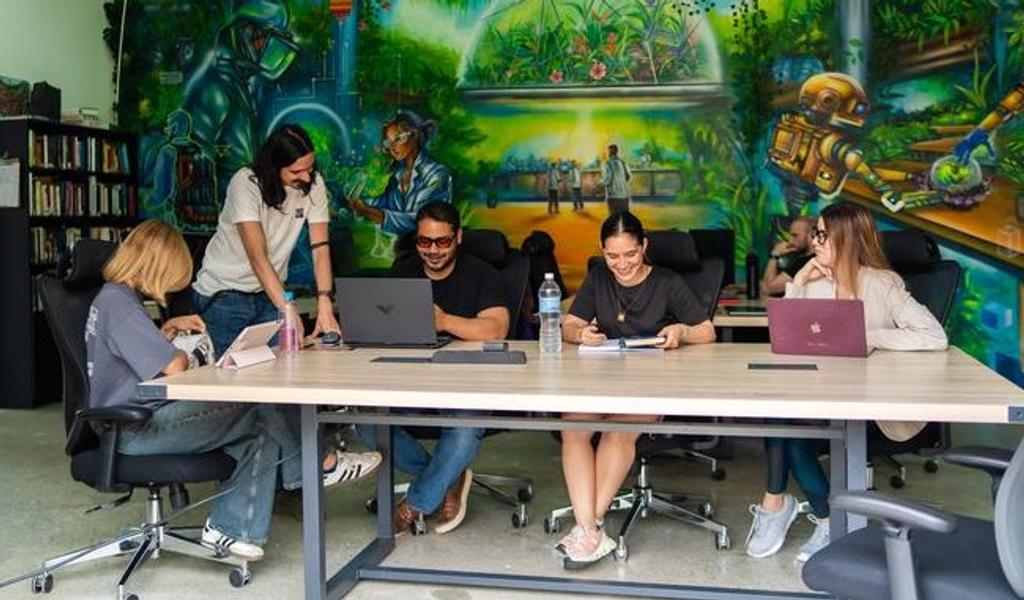
A startup event at the recent Liberty Acceleration Summit in Próspera. Credit: Infinita
The rest of the map opens up
An existing state agrees to host a Free City when economic incentives align. States guard sovereignty carefully, but some have granted autonomy in return for investment, jobs, and a share of a new zone’s revenues.
That is why the Free Cities Foundation focuses on supporting contractual Free Cities as its primary strategy: we see them as the most viable way to tap into the 99.9985% of the world’s land surface that has already been claimed by nation states.
That doesn’t mean establishing Free Cities is easy. But there has been some success.
Honduras enacted its ZEDE framework in 2013, and Próspera on Roatán now operates with a very high degree of business autonomy, with its own legal system, independent arbitration, tax and fee structure, and registered businesses.
Ciudad Morazán and Orquídea on the Honduran mainland are operating ZEDEs as well, each with their own unique system.
Not every attempt to build Free Cities has succeeded, and initially promising conversations with governments often fall through. But the aspiring Free Cities in Honduras have weathered the past four years under a hostile political regime remarkably well, and residents live and work within them today.
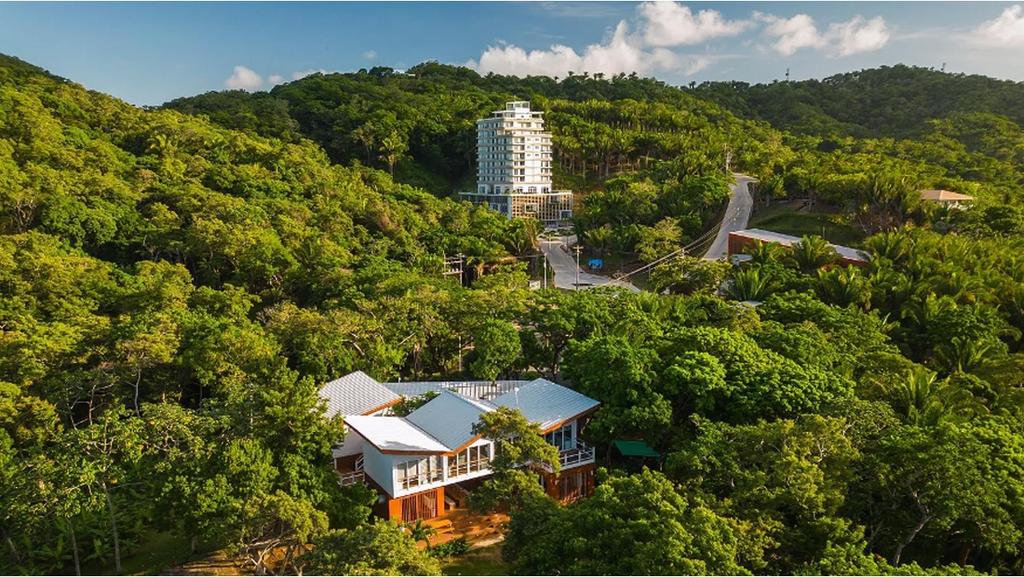
Beta District: The commercial hub of Próspera’s St John’s Bay site
From theory to practice
Each of the approaches we have discussed offers a different pathway to the same goal. And each has made some progress in its own way.
What makes the Free Cities approach different is that we skip sovereignty and seek autonomy to improve the aspects of living together that really matter. The approach is arguably less theoretically pure than starting totally from scratch, but it is the only recent model that has produced functioning communities with residents and businesses on the ground.
The 2026 Free Cities Conference took place inside Próspera in September 2026. Photos, talks and vlogs from the conference are online.
Common questions
How much unclaimed land is left in the world?
Leaving Antarctica aside, only Bir Tawil, about 2,000 square kilometres of desert between Egypt and Sudan, and a few pockets along the Danube between Croatia and Serbia. Together they are under 0.0015% of the world's land.
What happened to the seastead off Phuket?
In 2019 Chad Elwartowski and Nadia Thepdet lived in a seastead cabin off Phuket. Thai authorities said it was in Thai waters and brought charges carrying a possible death sentence. The couple fled and the navy removed the structure.
Is a Free City a new country?
No. A Free City gets autonomy by agreement with a host country, which usually keeps defence and foreign affairs. The city runs its own law, taxes and services.
Are any Free Cities operating today?
Próspera, Ciudad Morazán and Orquídea operate as ZEDEs in Honduras, with residents and businesses on site, despite the 2022 repeal of the ZEDE law.