

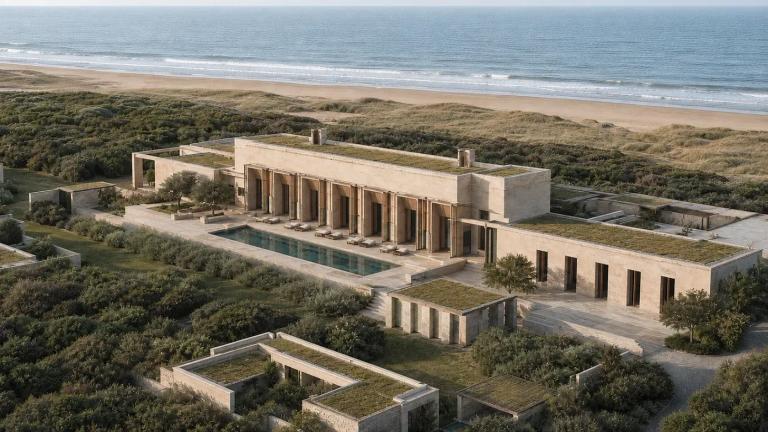
For years, Praxis has been one of the most talked-about names in the startup city world, and also one of the most elusive. It had an ambitious vision, a large online community and considerable funding, but nowhere to build. That has now changed.
What Praxis and +Colonia Announced
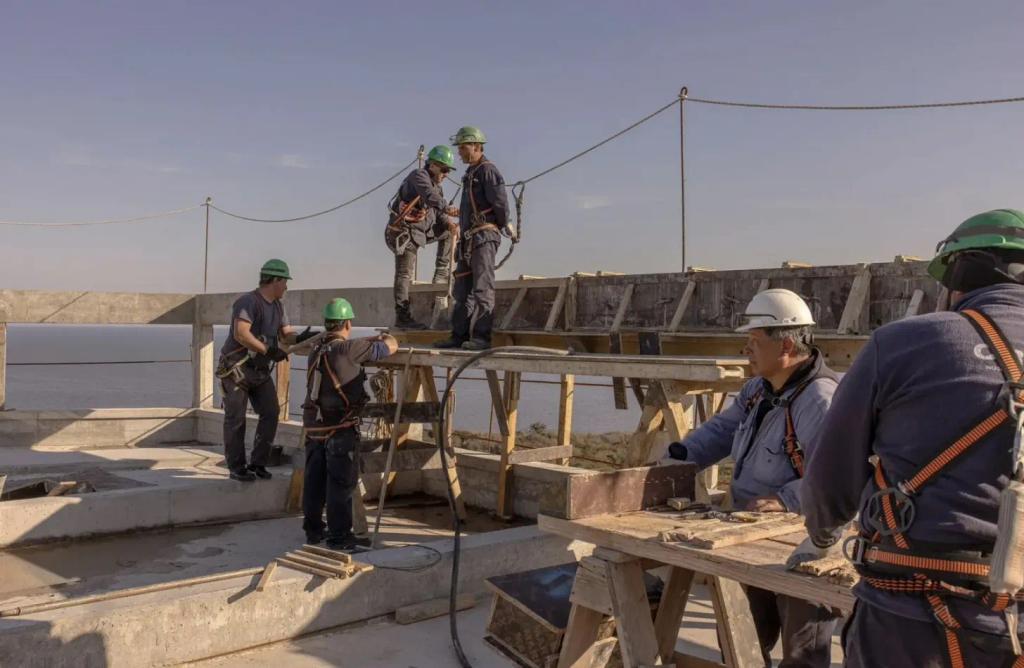
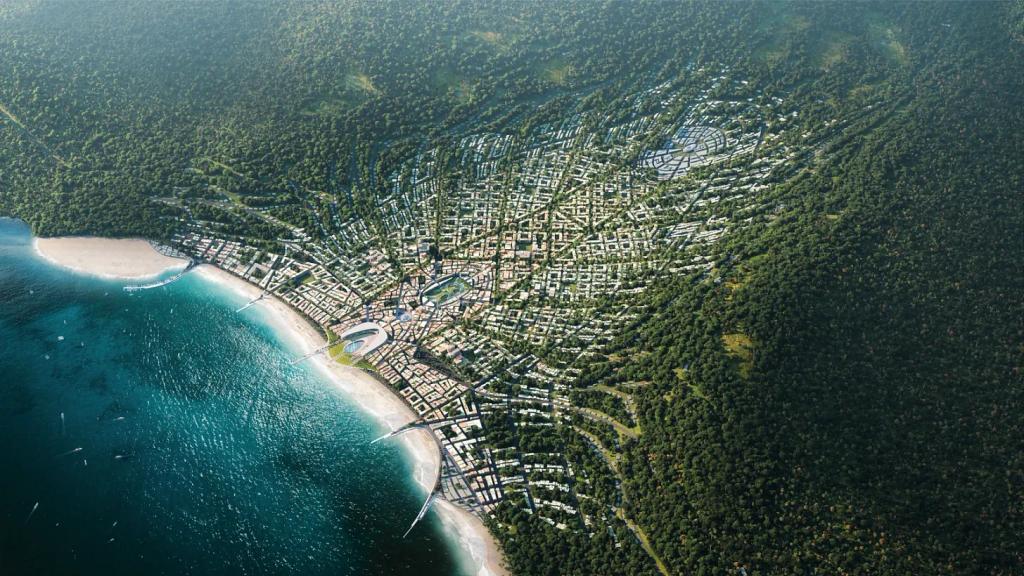
On 22 September 2026, Praxis announced that it had chosen Uruguay as the location for its first city-scale development. It will begin with a neighbourhood inside +Colonia, a 515-hectare waterfront project next to the historic town of Colonia del Sacramento, across the Río de la Plata from Buenos Aires. Praxis aims to mobilise $1 billion in investment over the next three years and expects its first residents in mid-2027. Two days later, President Yamandú Orsi met Praxis CEO Dryden Brown in New York on the sidelines of the UN General Assembly.
In practice, Praxis is joining +Colonia as a sub-developer. It plans its own residences, hospitality and cultural institutions inside a larger urban project led by Argentine developer Eduardo Bastitta. The agreement has been described as largely non-binding, and the land has yet to be purchased. Still, this is the most concrete step Praxis has ever taken, and we are glad to see it with something real in hand.
Not Exactly the Original Plan
It is worth remembering what Praxis originally wanted. For years, it looked for a government willing to grant it special zone status, first in the Mediterranean and later, reportedly, as far afield as Greenland and California. With such a status, it hoped to build a self-governing city run according to its own philosophy.
The Uruguayan project offers none of this. There is no special jurisdiction and no autonomous governance. Praxis states that its community institutions will operate “fully within Uruguay’s constitutional, legal, and democratic framework”, and Brown has said that no independent governance is planned “for now”. Residents of the Praxis neighbourhood will live under the same rules as everyone else in Colonia.
Praxis explains its choice by pointing to Uruguay’s natural beauty, political and economic stability and strong democratic institutions. Much of that is accurate. Uruguay is one of the most stable and open countries in Latin America, and Bastitta has even called +Colonia the most libertarian smart-city project in the world. Nevertheless, presenting a country’s general sympathy with one’s values as the headline argument is simply good marketing language amid the strategy pivot. Praxis originally set out looking for something quite different.
Two Roads to a Free City
That said, the Uruguay move is a perfectly reasonable one. At the Free Cities Foundation, we recognise that there is more than one way to create a Free City.
The first road is top-down. A project negotiates with a host government for a special legal status, such as a next-generation special economic zone or a charter city, and builds its institutions on that foundation. This is the road Praxis originally took, and the one taken by projects like Ciudad Morazán and Próspera in Honduras.
The second road is bottom-up. A project starts as an intentional community, where people who share values choose to live together within the existing legal order. If it succeeds in attracting residents, capital and talent, it can reach a position where the government is willing to talk about making it bigger or more successful, including through special arrangements.
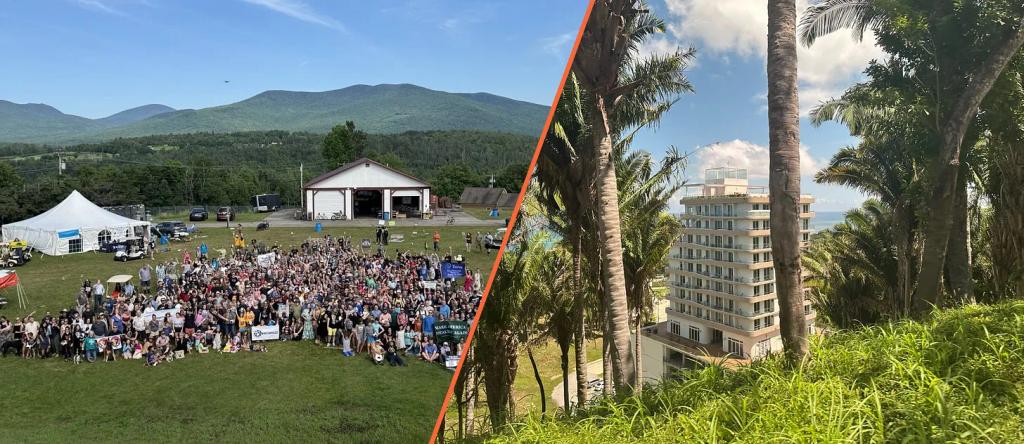
Freedom-oriented intentional communities already exist in various parts of the world, from the Free State Project in New Hampshire to Montelibero in Montenegro to Veritas Villages springing up across Central America, and they have proven that the model is viable and much easier to make a start with.
The Free Cities movement is still young. Nobody knows yet which strategy will prove more successful in the long run, and both may well have their place. Seen in that light, Praxis’s new direction could turn out to be entirely sound.
A Win for Praxis, and a Repositioning

We would caution against reading this as a defeat. Praxis is going to build, and a physical presence with real residents is a major achievement for any project that has so far lived mostly online.
At the same time, the move should be recognised for what it is: a major pivot away from the self-governing city Praxis originally promised into a new strategy that might well prove to be more successful than to continue looking and negotiating forever.
Why +Colonia Makes a Strong Partner
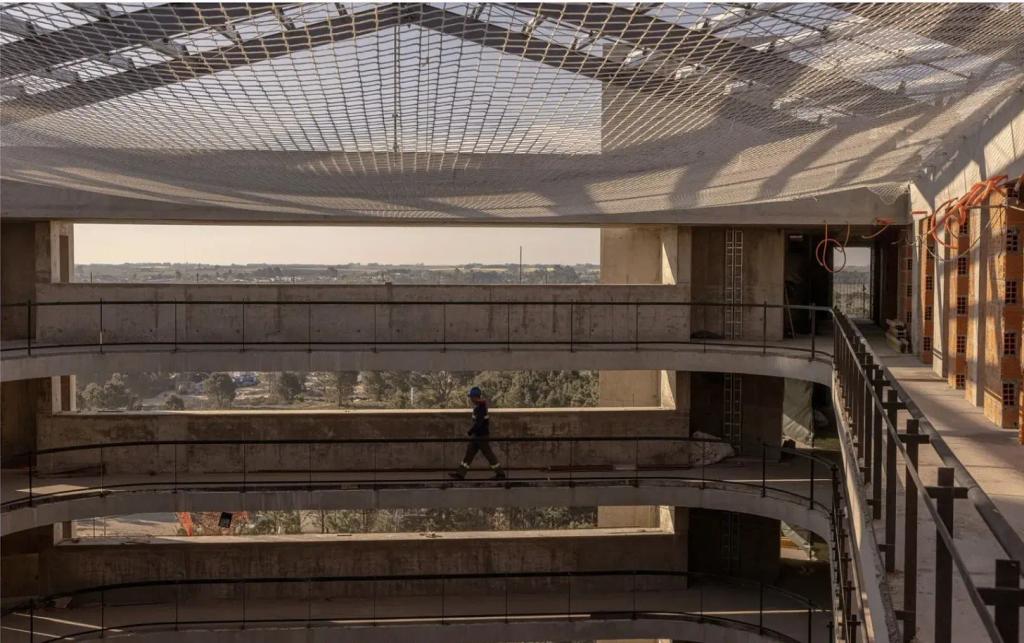
As for +Colonia, it looks like a very good project to partner with. It has been under construction since 2022, reports roughly $300 million in investment mobilised so far, and its first residential buildings are already in place. For a sub-developer and community attractor like Praxis, a host with solid foundations and a working development pipeline is exactly what is needed to try to overcome the cold-start problem.
We are excited to see what this corner of Uruguay will become in 10, 20 or 50 years, and what Praxis will build with its highly skilled, ambitious, and visionary community. We sincerely wish both Praxis and +Colonia the very best of luck.
Image credits: praxisnation.com