
Blog
The Fence at Plötzensee: A Reverse Tragedy of the Commons
 Sebastian Grell
Disclaimer: The following article was written by an external author. The opinions expressed in it do not necessarily reflect the opinions of the Foundation or its members.
In short: a reverse tragedy of the commons happens when a shared resource is not overused but left unused, because the official who controls it bears the risks of opening it and none of the benefits. At the Plötzensee in Berlin, the state-held shore sits behind a fence, while the privately operated Strandbad across the water is full of swimmers. Sebastian Grell argues that the difference is ownership: where cost and benefit land in the same pocket, access is what gets sold.
I.
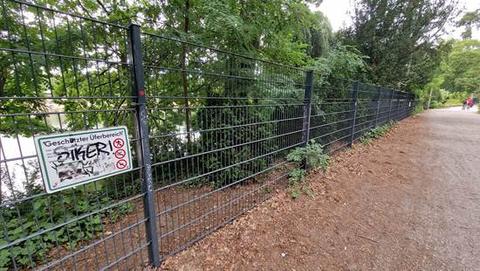
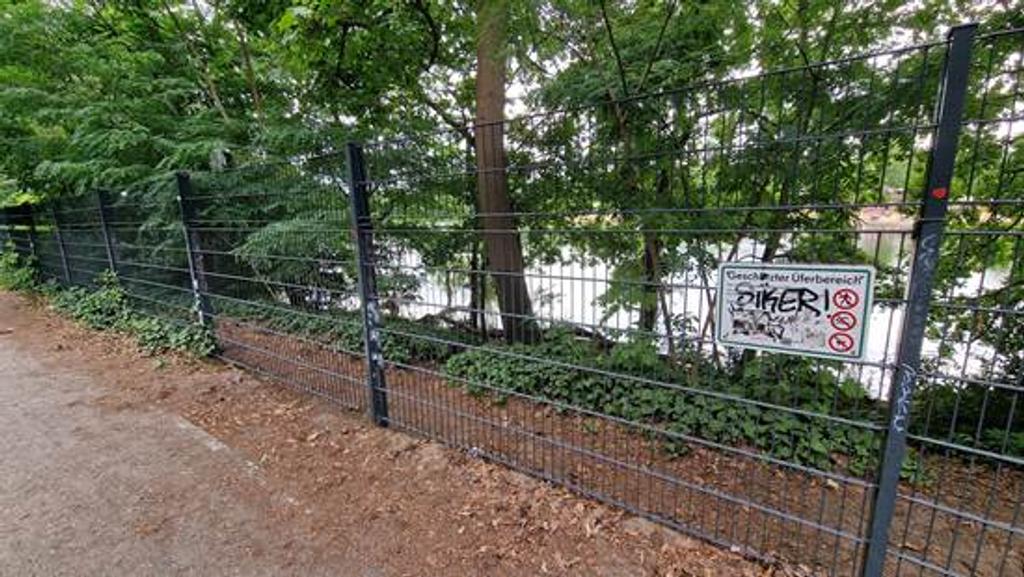
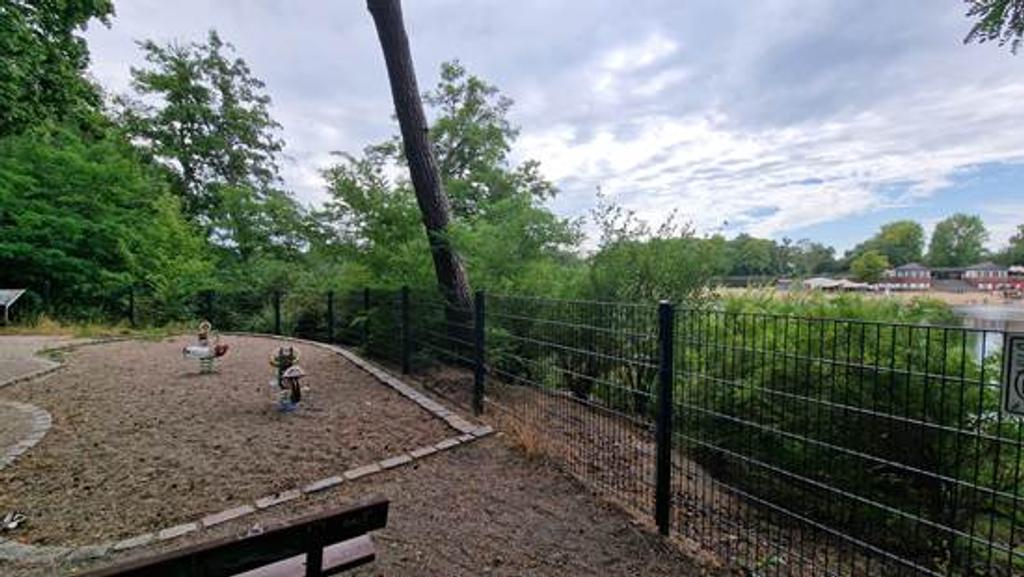
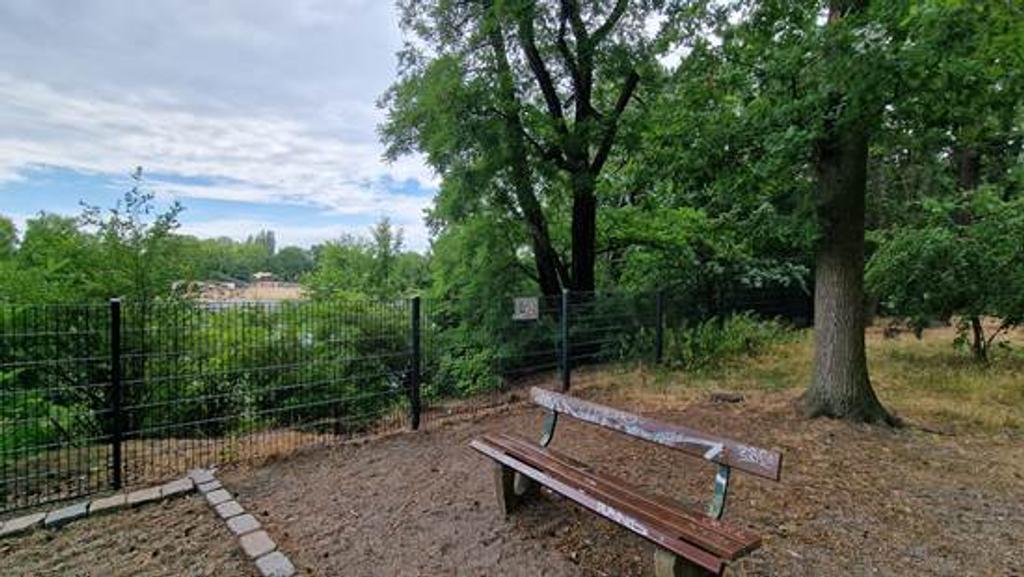
A warm afternoon on the shore of the Plötzensee in Berlin. For long stretches you cannot reach the water. A fence runs between the path and the lake, and behind it lies a strip of land nobody has attended to in years: brambles and scrub, dry compacted ground, litter caught in the undergrowth. A sign explains what is happening here — Geschützter Uferbereich, protected shore area — and forbids entering, swimming, grilling, fishing. Someone has tagged over it with a marker. Nobody has replaced it.
The standard argument for holding a lakefront in public hands is utility maximisation: everyone can benefit from it. Stand at that fence and take the claim seriously for a moment. Who is benefiting? Not the swimmers, who are elsewhere. Not the neighbours, who walk past a scrub verge on their way to somewhere better. And not the animals either — very little settles into a strip of brambles ten metres from a cycle path, with a defaced sign for a guardian.
Let me state the problem plainly, because it is easy to miss while standing in front of a fence. The Plötzensee is owned and maintained by the state, with tax payers’ money. Its administration has no customers it must find, win or keep, and no revenue that rises or falls with anyone’s enjoyment. What it does have is an asset to preserve. And so preservation quietly becomes the end in itself, cut loose from the purpose it was meant to serve — that the public gets to enjoy a beautiful lake. The paradox follows on its own: the surest way to preserve a public asset is to make certain that the public cannot use it. While nothing is destroyed, nothing is had either.
II.
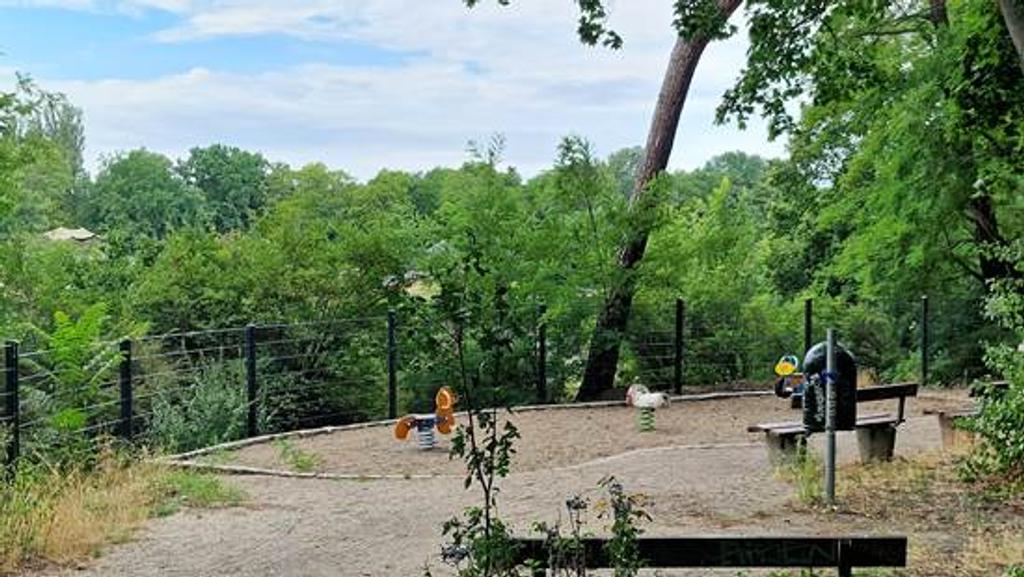
Someone has built a small playground here, pressed right up against the fence. Two spring riders, a couple of benches, gravel, grass gone brown. Ten metres from open water — and at a child’s height there is nothing to see but mesh.
One could suspect mere carelessness or even cruelty here. But neither is at play: it is the result of deeply rooted systematically misaligned incentive structures. It is the only thing the arrangement permits.
III.
Hardin’s commons is over-grazed: each herdsman takes the gain and shares the loss, so the pasture dies of use. Here it runs the other way round. The shore is not consumed to death; it is simply never enjoyed: as a consequence, the herdsmen themselves are starved to death. A reverse tragedy of the commons — opposite direction, identical mechanism underneath. The one who decides is not the one who bears the consequences.
Consider what the fence does for the official who signs it off. None of the value an open shoreline would create reaches him; not a cent of it. What does reach him is everything that can go wrong: liability if someone drowns, complaints about noise and grilling smoke, a maintenance line he has to defend. On the upside, he’s ordained as ecological hero for putting up a fence, Geschützter Uferbereich, protected shore area – he becomes the one who saves the planet. The fence settles the whole portfolio at once. Cui bono, the question I leaned on in Don’t Look There, needs no long answer here. This Hardin’s commons is never grazed so to speak: one small local king in their small kingdom enjoys both their peace and ordination, while everyone else is, figuratively speaking, starved to death. The fence is the rational product of a bureaucracy whose incentives are grossly misaligned — for the only person in the arrangement who is actually making the calls. The environmental language is nothing but the dress-up of this reverse tragedy of the commons. Though, most certainly, our small local king will indignantly claim otherwise.
IV.
And the control case sits in the same photographs. Across the water lies the Strandbad: sand, umbrellas, people in the water. The one stretch of this shoreline that anybody actually uses is the one that is run privately — somebody who loses money if the sand is filthy or the water unsafe.
It is worth looking at how that stretch is actually governed. The sand, the brick buildings and the ground beneath them belong to the state; the municipal bath authority puts the lease out to tender roughly every ten years, and since 2019 it has been held by a private operator. Everything he earns, he earns from people wanting to be there: a day ticket in the region of eight to ten euros, a bar and a restaurant, a kiosk and a food stand, deckchairs, parasols and beach chairs for hire, boats and paddleboards, events through the season, a camper pitch in the quiet months. The operator’s stated future goal is free admission, financed through season-opening and closing events, bar and restaurant revenue. None of this pays out if the place is filthy or unpleasant to be in. In his first weeks he had twenty-five containers of rubbish carted away and the showers and toilets rebuilt — not out of public spirit, but because the customers’ enjoyment is his own benefit.
The most telling detail is a small one. The operator hands out free tickets to visitors who spend an hour collecting litter along the shore and out on the water. The nature protection that the bureaucrats’ fence merely announces but doesn’t keep, he quietly achieves at no extra cost for the tax payer.
If this is what a 10-year lease can achieve, what does a title hold in store for us?
Note the minimum that operator most certainly won’t do. He won’t fence his own beach to reduce his liability, because access is the thing he sells. His accountability is not a matter of better character but structural. Cost and benefit arrive in the same pocket, and so the cheapest and most comfortable way out is closed to him. That is at its core the proprietary model free cities propose — already running in miniature two hundred metres from the fence. The difference is only one of scale.
So do not swallow the promise that public means shared. Walk the shore and count who is standing at the water. The one place where anybody is standing at the water is the place where somebody had something to lose. Where no one owns, no one answers — and where no one answers, everyone ends up on the wrong side of the fence.
Common questions
What is the tragedy of the commons?
Garrett Hardin's 1968 idea that a resource open to everyone gets overused, because each user takes the full gain while sharing the loss with others.
What is a reverse tragedy of the commons?
The opposite outcome from the same cause: a resource nobody may use, because the person deciding gains nothing from opening it and bears the liability if something goes wrong.
How does this relate to Free Cities?
Free Private Cities apply the same proprietary logic to a whole town: an operator who earns from residents being satisfied has a reason to keep things open, clean and safe.