

Dear Readers,
As we approach the end of 2025, we bring you an update on the long-anticipated Honduran general election results, Grokipedia’s newly published deep dive into Free Cities, developments on Sark, and more…
Honduran Election: More Favourable Outlook on the Horizon
Honduras held its presidential election on 30 November 2025, an event watched closely across the Free Cities community due to its impact on flagship projects Próspera and Ciudad Morazán.
The good news is that preliminary results suggest the governing LIBRE party — known for its hostile stance on ZEDEs — has fallen to third place.
The two leading candidates are now centre-right figures Nasry “Tito” Asfura and Salvador Nasralla, both viewed as more open to ZEDEs than the current administration.
Asfura, who has also received backing from Donald Trump, is currently ahead, with 40.52% of the vote compared to Nasralla’s 39.18%, a margin of just 42,100 votes separating the two.
While a victory by either frontrunner would be encouraging for those hoping for a more favourable environment for ZEDEs, the tally remains uncertified, with ongoing disputes and delays meaning the final outcome is still uncertain.
Nonetheless, the Honduran military has pledged to ensure an orderly transition of power once a winner is formally declared.
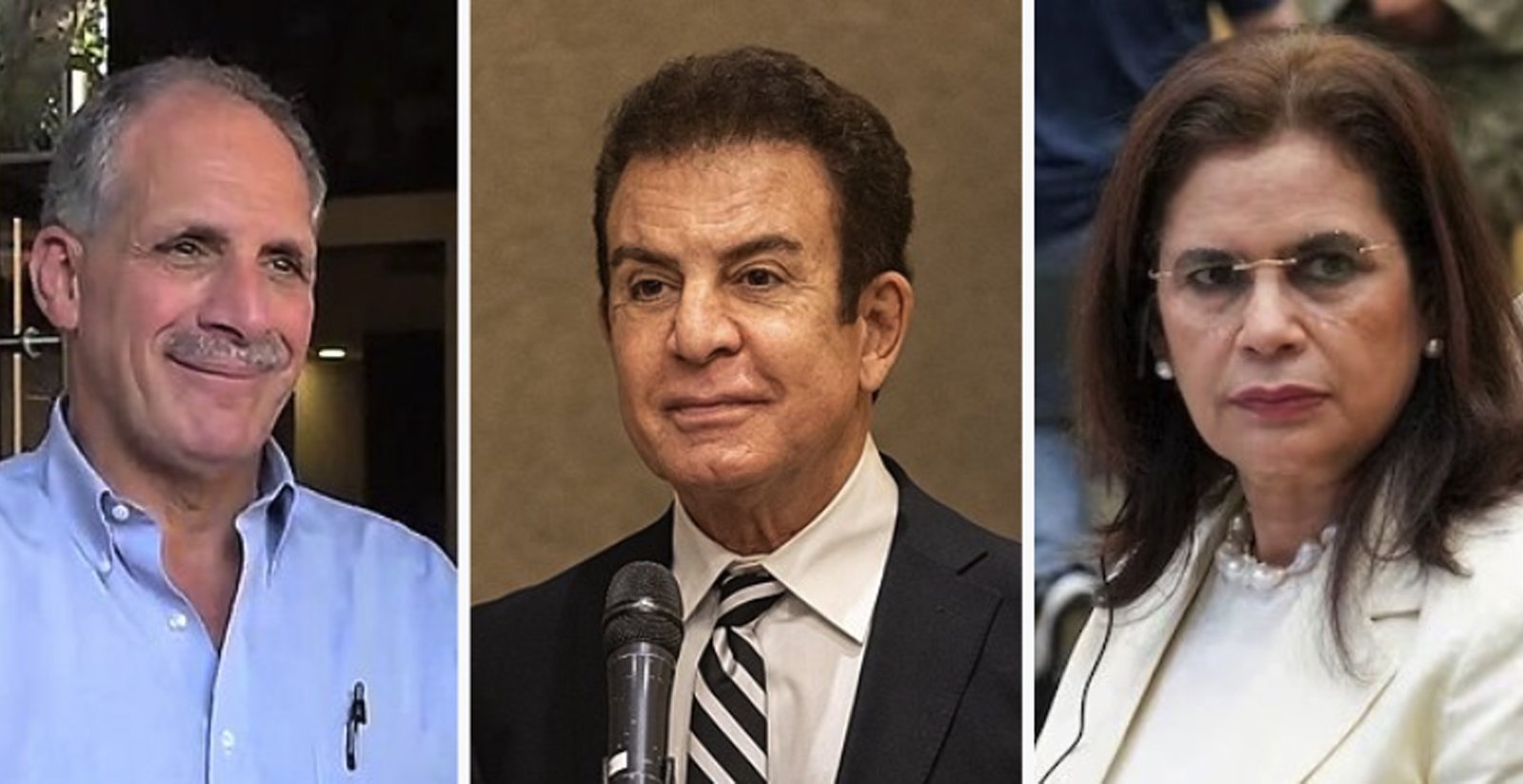
Honduran Election Candidates: Nasry “Tito” Asfura (National Party of Honduras), Salvador Nasralla (Liberal Party), Rixi Moncada (LIBRE Party)
Grokipedia’s Free Cities Article: A Valuable Independent Resource
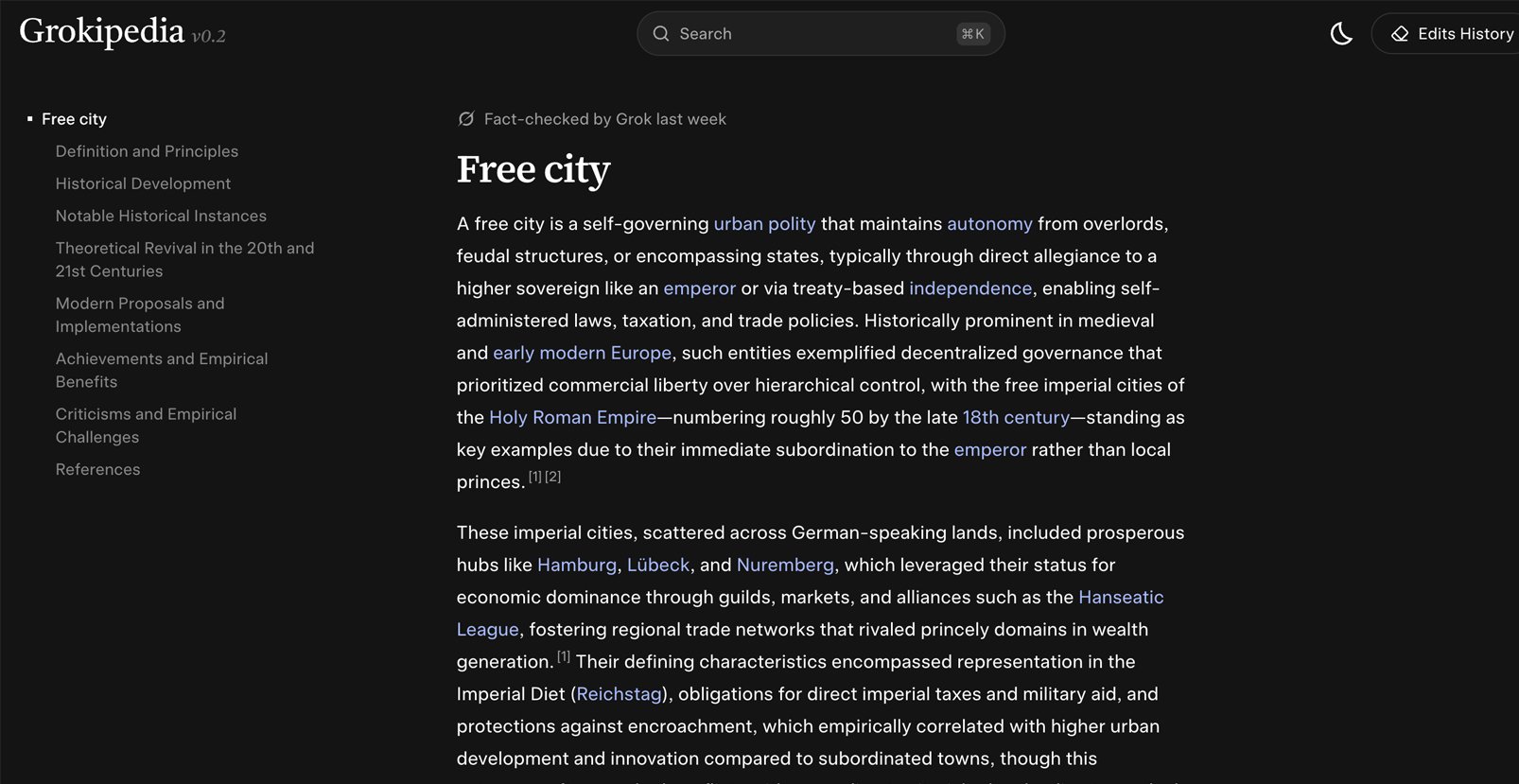
Grokipedia, xAI’s AI-generated encyclopedia, has published an 8,000-word article on Free Cities, tracing the concept from medieval and early modern Europe through to today’s experimental governance models.
Taken as a whole, it is the most comprehensive, independently produced overview of Free Cities currently available online.
In our view, the article does a good job of presenting related concepts, including Charter Cities, Network States, and Free Private Cities, within one coherent narrative.
The publication is itself notable: Grokipedia only produces articles of this scale where there is sustained online interest in a concept, making this a clear signal that curiosity about alternative governance models is growing.
The piece is well worth reading and represents a meaningful step up from the fragmented and often ideologically skewed material found on Wikipedia.
That said, the article is not without its errors, largely due to its reliance on some unreliable left-leaning sources that are readily available online.
Some of these errors include claims that Próspera’s growth has been held back by land disputes (in reality, there have been no formal land disputes or official filings regarding land the project owns), that the project has generated only a “modest” $50 million in investment (the true figure is at least four times higher), and that Próspera has never paid taxes to the Honduran government (which is simply incorrect, as Próspera has remitted 12% of its revenues to the Honduran state since inception, as it is legally required to do).
For readers interested in primary-source clarifications, we recommend consulting Próspera’s official FAQs.
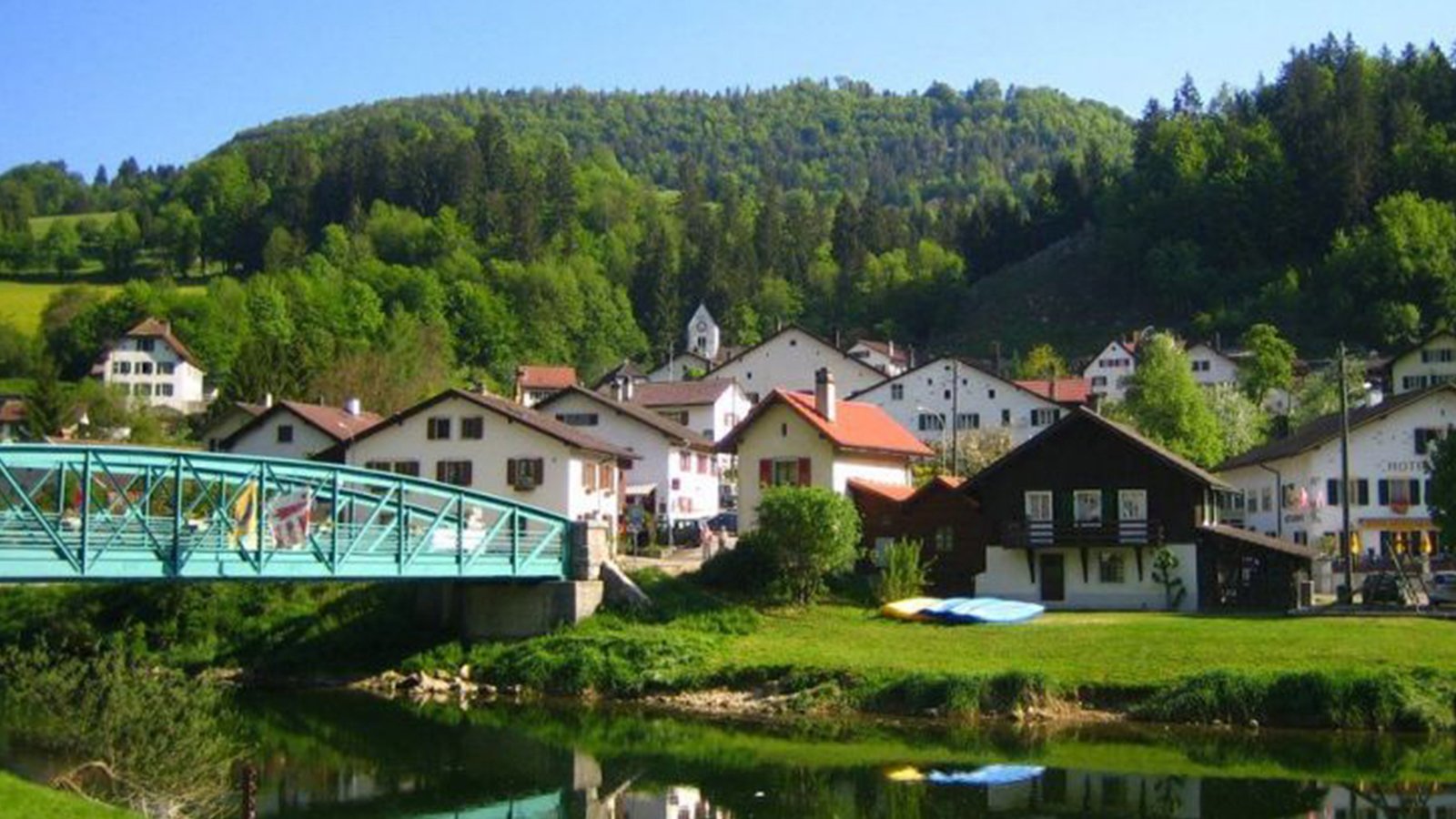
Soubey Entrepreneur’s Workshop
Those of you who attended the Free Cities Conference in Prague may remember Marc-Felix Otto and Armin Häfliger’s presentation about developments in Soubey, a Swiss village exploring how to use Switzerland’s cantonal system to dramatically enhance its vibrancy, attract entrepreneurs and lower municipal taxes.
On 28 February 2026, Initiative Soubey and the Free Economic Forum will host a hands-on workshop in the village to develop new business models, attract residents, and shape a long-term vision for the community.
If you are interested in taking part, please reach out to: armin@meinrad.ch or marc-felix.otto@free-cities.
Sark: What’s Next?
Yesterday, long-term Sark resident and entrepreneur Swen Lorenz published a detailed update on the current situation on the Isle of Sark.
Long-time readers will recall that Swen previously led a £30m+ property bid involving assets owned by the Barclay brothers, intended to revitalise the island’s economy, which was ultimately rejected.
In his latest piece, Swen outlines Sark’s structural challenges and mounting financial pressures, culminating in the island’s decision to seek a £1.5m loan from neighbouring Guernsey and to raise some of its famously low taxes.
The update comes shortly after Swen hosted 48 international visitors for a Sark weekend, offering first-hand exposure to the island’s unique political and economic model. This video report from The Wandering Investor offers an inside look.
Swen’s assessment is unambiguous: Sark will not be able to work its way out of its current situation through incremental steps; either a large-scale solution addressing multiple issues at once is implemented, or the island risks remaining stuck on its current trajectory.

Click the image to view The Wandering Investor’s video about the Sark Weekend
Other Media
- Free Cities Foundation Chairman Titus Gebel and prominent architect Patrik Schumacher recently joined the UK Libertarian Party for an in-depth interview on political change, democracy, and the future of governance.
- The Free Cities movement continues to receive increasing mainstream attention, although the coverage still repeats some of the familiar misconceptions discussed above. Recent examples include: Tech Elites are Starting Their Own For-Profit Cities by the FT and Tech Billionaires Are Starting Private Cities to Escape the United States by Futurism.
Podcast Roundup
In the lead-up to the Honduran elections, we released two in-depth conversations that provide context on developments in Ciudad Morazán and Próspera:
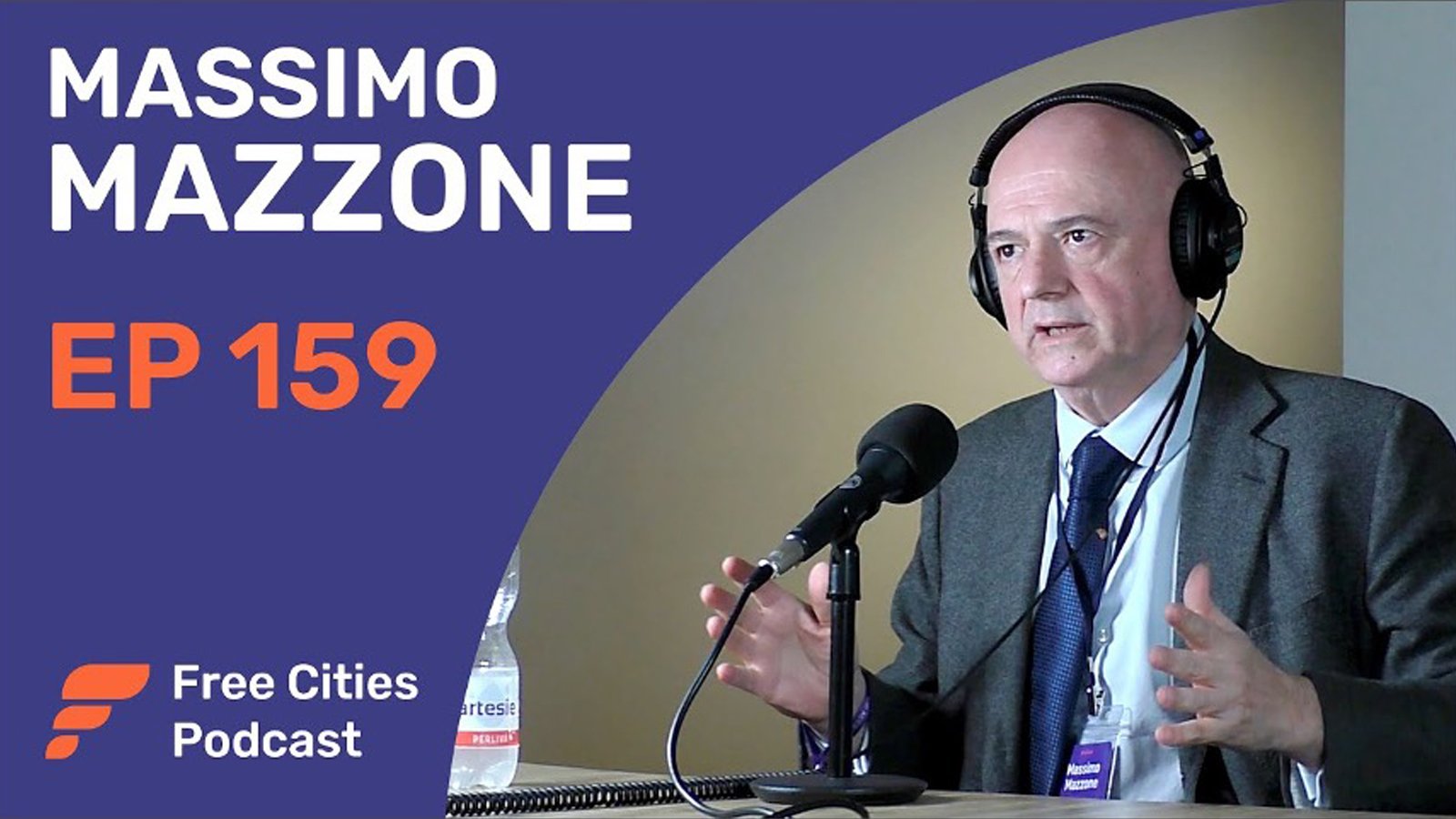
- Massimo Mazzone, founder of Ciudad Morazán, spoke about Morazán’s growth, the status of the ZEDE framework, and concerns surrounding the Honduran election.
- Trey Goff, Próspera’s Chief of Staff, discussed Próspera’s legal battles, regulatory innovation, and media misinformation.
Yesterday, Timothy Allen also released a post-election update, drawing on expert insights shared by senior figures involved with Próspera and Ciudad Morazán to interpret the preliminary results and their implications.
Taken together, these episodes offer some of the clearest and most timely perspectives available on the future of these two flagship projects.
Support the Podcast and Promote Your Brand
This year, our podcast host, Timothy Allen, released 53 episodes, recorded across the US, UK, Czech Republic, Serbia, Latvia, and Morocco.
In 2025, the podcast’s reach more than tripled in overall impressions, driven in part by the launch of new YouTube and TikTok content, with over 1.3 million impressions recorded across platforms.
These figures point to rapidly growing visibility and interest, and we are now looking to take the show to the next level.
If you run a business that would benefit from reaching a highly engaged, globally minded audience, we encourage you to consider becoming a sponsor. Doing so not only gives your brand visibility, it also directly supports the mission of the Free Cities Foundation.
To learn more, contact podcast@free-cities.org.
Final Thoughts
As 2025 comes to an end, it’s worth taking stock of how quickly the Free Cities landscape has evolved over the past year.
Through high-profile events like our conference (photos here), sustained outreach, and consistent messaging, interest in Free Cities has expanded well beyond the audiences reached even a year ago.
This shift is increasingly visible in popular media. For example, the Grokipeida article mentioned above and the Yes Theory documentary reported on in a previous newsletter, which has now surpassed 3 million views.
At the same time, new initiatives such as Destiny have been launched with impressive ambition, demonstrating that alternative governance models are increasingly gaining significant traction.
Looking ahead, 2026 will bring another major step: the first Free Cities Conference hosted in a Free City: Próspera, Roatán. This event will offer the closest look yet at one of the world’s most ambitious governance experiments, and we warmly encourage you to take part.
Details of what we’re planning and how you can join can be found here.
As we wrap up the year, we want to thank you for being part of this growing community. Your engagement and encouragement make our work possible.
We wish you all a peaceful Christmas season and a prosperous start to 2026.
Your Free Cities Foundation Team

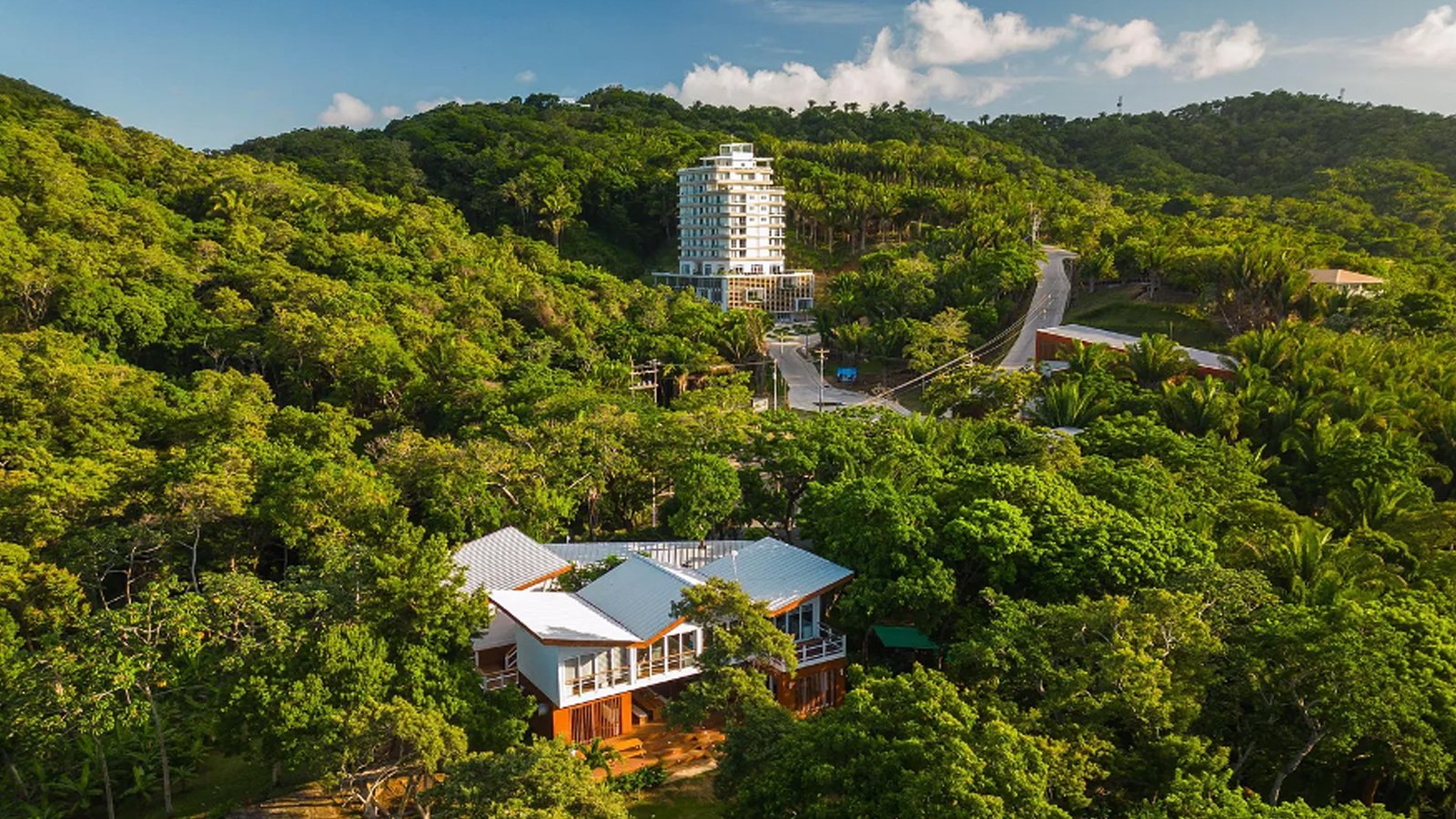
Duna Tower, Próspera: join us for the 2026 conference